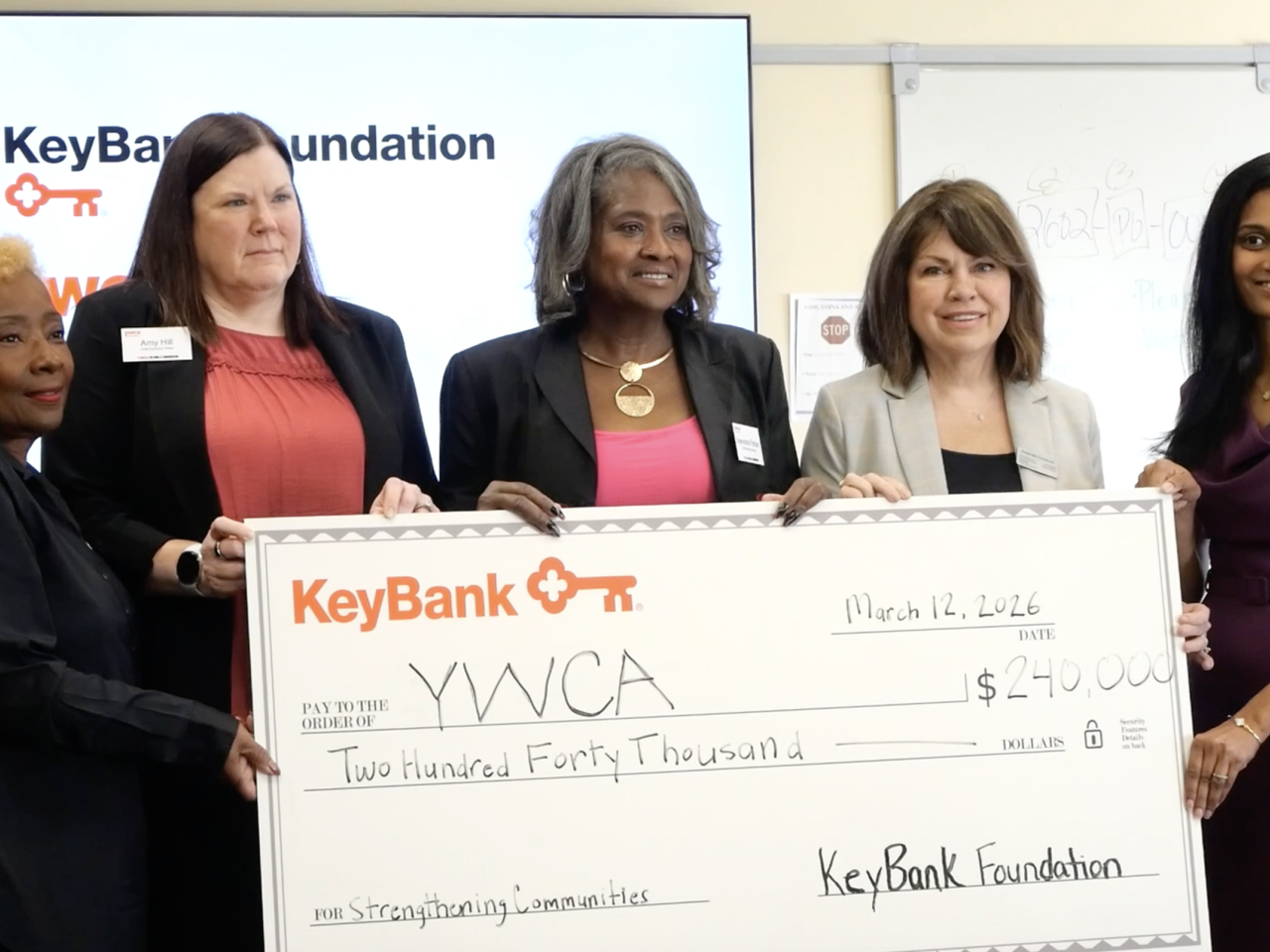
The KeyBank Foundation announced an investment of $240,000 in YWCA North Central Indiana’s Strengthening Communities Initiative, a comprehensive program designed to enhance the social and economic well-being of survivors of abuse.
Consumers today are extremely conscious about what kinds of products they’re purchasing for their bodies, homes, and businesses, and with so many choices available it’s hard to know what products may be guilty of some of the “Seven Sins of Greenwashing” — otherwise known as stating a product is generally natural, green friendly, or organic, when it has undergone zero testing or certification.
We will take you behind the scenes to introduce you to the teams that are dedicated to empowering the world’s poorest people to become entrepreneurs. You will meet Field Officers, volunteers, and Whole Planet Foundation staff. Through their stories you will get a glimpse into a day on the job—whether it is in Austin, Texas or Huehuetenango, Guatemala.
In this episode of Pro Bono Perspectives, Leigh Phillips, CEO of EARN, shares more about her work using technology to empower low-income Americans to take charge of their financial lives. Leigh discusses the importance of bridging the savings divide and her career to date tackling issues of wealth inequality.
What does it take to serve the nearly three billion people around the globe who lack safe and secure financial services? Visa, MetLife Foundation, global nonprofit Accion and World Bank Group member IFC aim to find the promising fintechs addressing this question through a new initiative, the Inclusive Fintech 50, which will honor 50 fintech startups committed to improving the financial health of disadvantaged people in advanced and emerging markets.
Collectively, more than $14.3 million has been invested across all 50 states providing over 2.7 million children with daily access to fresh fruits and vegetables.
Ten years ago, 85 percent of the world’s transactions were in cash and checks, and 2.5 billion people were unbanked. Since then, we’ve all been working hard as an industry to develop technology that will give the unbanked access to the world of digital payments.
Anyone following tech news these days understands that the coexistence of artificial intelligence (AI) and mankind – and the ethical conflicts that may arise from it – is no longer science fiction. There is unease about AI influencing our online shopping and social media habits; about it replacing both menial and high-skilled jobs; enhancing surveillance and policing, and contributing to the development of more sophisticated weapons.
Fishermen in Madagascar spend several hours a day on their pirogues (fishing canoes) out at sea. In the past, they would return home with baskets brimming with fish. But today, catch sizes have dwindled due to overfishing, rising sea temperatures and extreme weather.
I examine my personal finances by asking myself three overarching questions: How am I making money? How am I investing it? And how am I spending it? As a full-time social entrepreneur, I routinely ask myself if I’m making money in a way that allows me to have a real impact.
As a millennial, my generation has little trust in large institutions — from governmental offices to our large banks and financial institutions. We want our money aligned with our values and desires for a more sustainable planet. We are poised to catalyze big shifts in how financial services operate.
Advancing women and minority-owned small businesses and entrepreneurs around the world. Small to mid-sized businesses power their local economies and...
Cascale shares insights regarding policy and regulation impacting the consumer goods industry, and highlights how it's supporting members prepare for...