GEC launches EPEAT 2.0, a major update to the world’s leading ecolabel for responsible electronics. New criteria strengthen climate action, circularity, chemical safety, and supply chain performance. Learn more at epeat.net.
Retail demand for safer products is not only here to stay – it’s now a source of competition in the evolving marketplace. Amazon is the latest retailer to join Walmart, Target, CVS Health, Home Depot, and Rite-Aid by publishing a chemicals policy and a public Restricted Substances List.
Sodexo, a food services and facilities management company committed to improving Quality of Life, announced today a North American Single Use Plastics Reduction Plan that will eliminate single use plastic bags and stirrers by 2019, polystyrene foam items such as cups, lids and food containers by 2025, and shift straws to a “by request” item that will still be available to customers who need them while moving toward more sustainable materials.
At Domtar, our position as a forest products industry leader is rooted in our ability to focus on sustainability across our manufacturing processes. That’s apparent in the great progress we’ve made toward achieving our 2020 sustainability goals, especially through our waste-reduction initiatives.
Paper or plastic? It’s a debate that has raged for years about a variety of goods, including grocery bags, food packaging materials, lollipop sticks, personal care items and other single-use products. The latest item to make headlines is the humble straw. Plastic drinking straws are ubiquitous, but they may soon take a backseat to paper drinking straws.
Most greenhouse gases from the production of meat, dairy or eggs are emitted before the products leave the farm gate. Emissions are released by beef and dairy cows when they digest feed. Growing feed crops for animals also contributes to the GHG footprint, of which the majority comes from the production and application of fertilizer as well as the plowing of land for crop production. Lastly, manure from these animals releases significant amounts of GHG emissions.
When the commercial division of the world’s largest flooring manufacturer switches its focus from “footprinting” to “handprinting” — or leaving the world in better shape than when we found it — it is not a small endeavor or one taken lightly.
We at Mohawk Group quickly realized that if we truly intended to pursue sustainability, it would require a sea change in our way of doing business, our manufacturing processes, our attitude from plant floor to boardroom, and our products. It would require committed leadership and putting to work all the innovation we had come to be so well known for. And it would mean every day, in every Mohawk facility around the globe, reinvigorating our promise to Believe in Better.
As the water pollution-climate change connections accelerate, some in the investment community have begun asking “Big Meat” to identify how these impacts translate into bottom line regulatory, reputational and market risks.
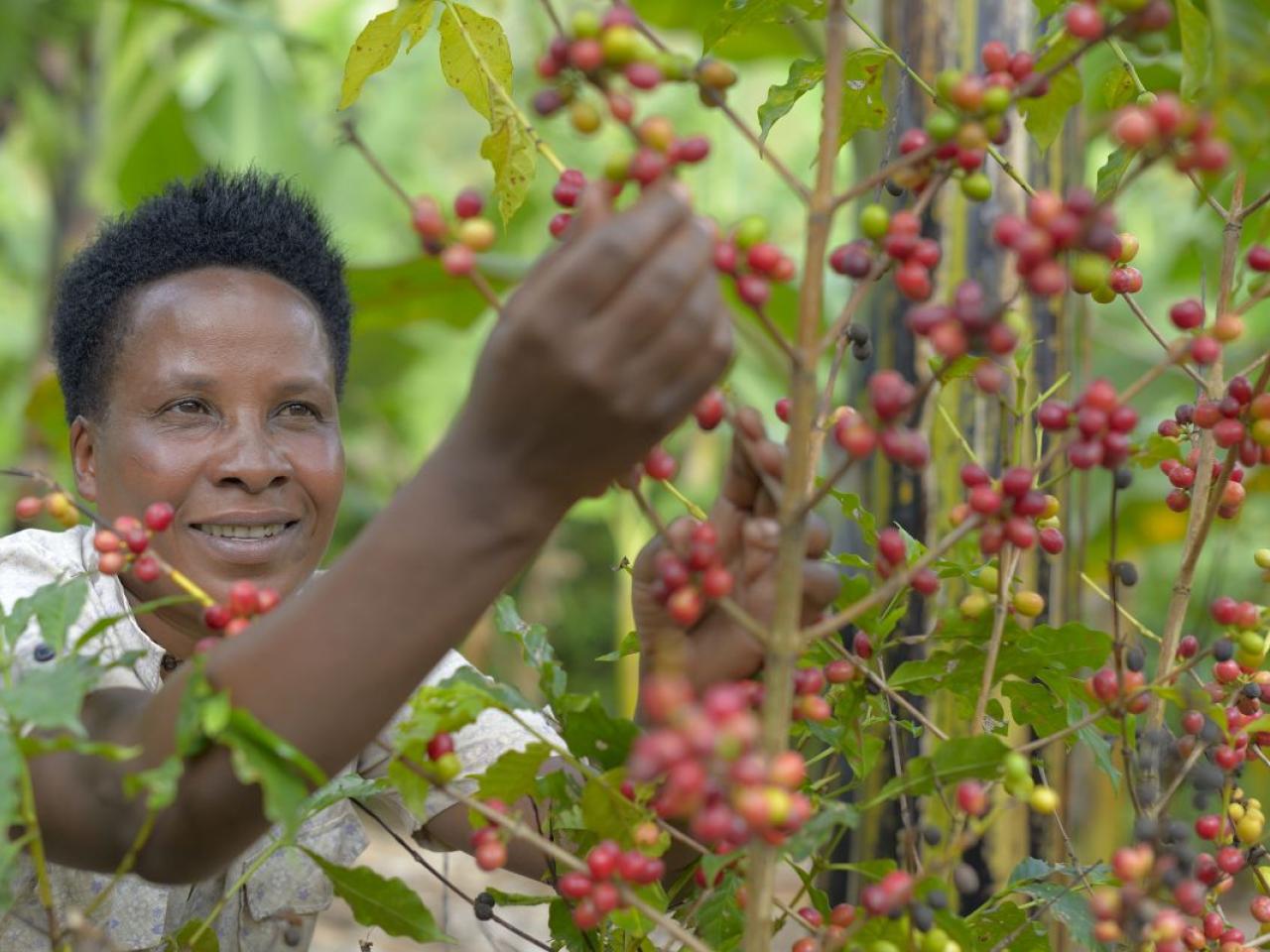
Twenty years ago, Fair Trade USA’s Founder and CEO Paul Rice brought an idea from his field work in Nicaragua to a one-room office in Oakland, California. What started with coffee and conviction – and not much else – is now the leading market-based model of sustainable production, trade and consumption.
In states where Key has a presence, there are approximately 1.7 million low- to moderate-income (LMI) households. Many LMI individuals don’t have bank...
Earth's beauty and resources should be appreciated now and preserved for generations to come. Discover the stewardship initiatives underway to protect...
Corporate governance, risk management, operational integrity, and regulatory compliance are demanding challenges that companies face in today’s ever...
AEG embraces its responsibility to enrich the lives of people in the communities around the world where we do business, and to use business to create...