Responsible Consumption and Production

Corporate stories about Responsible Consumption and Production across 3BL's network.

Latest in Responsible Consumption and Production

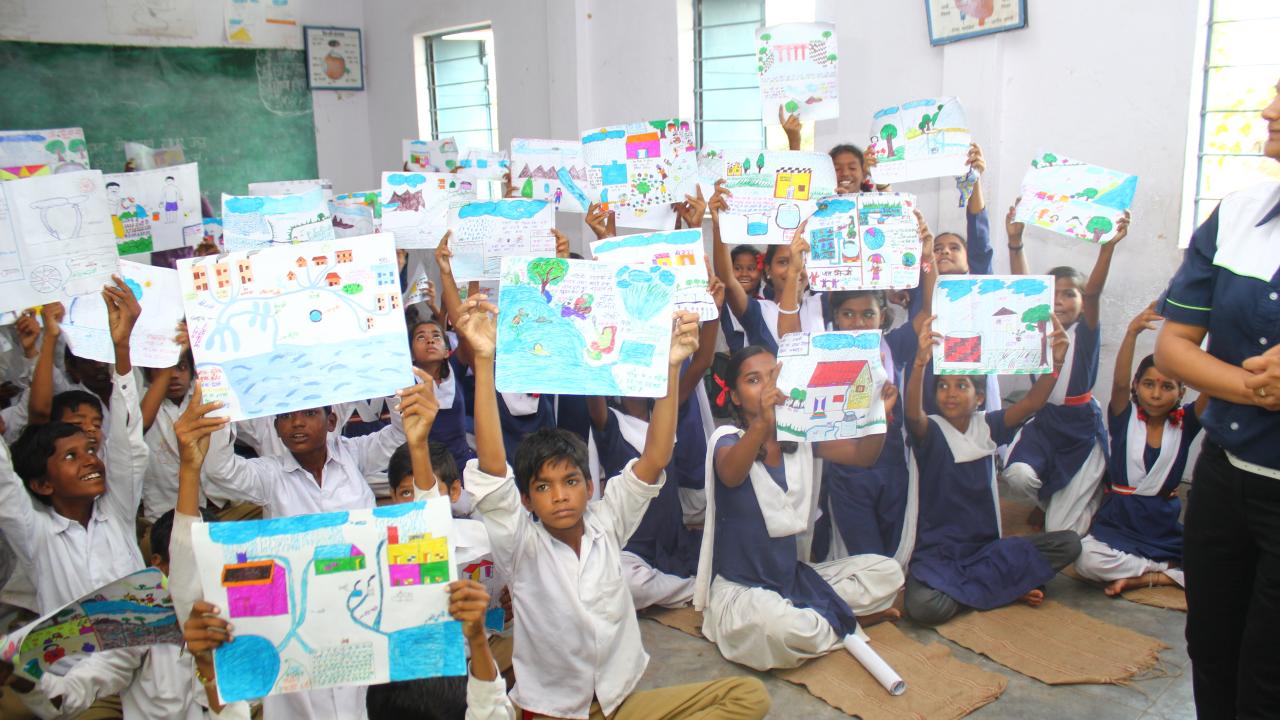
This Company is Creating a World Where Conserving Water is a Way of Life
Based in Singapore, Ecosoftt – Eco Solutions For Tomorrow, Today – specializes in decentralized management of water, wastewater, and environmental services for the developed and developing worlds. Their Water SMART Homes & Communities platform allows property owners and building managers to reduce their water footprint and waste by up to 50 percent, to recycle and reuse up to 80 percent of wastewater for non-potable purposes, and to discharge at least 20 percent of treated water in a way that protects Mother Nature. Ecosoftt also leads education programs focused on water, sanitation, livelihood and wellness for rural and marginalized communities.
Data Centers: Planning for the Edge
Massive projected surges in data transmission are expected to challenge current network capabilities in the U.S., making where analytics and compute take place increasingly important. With network data expected to grow from 1 trillion gigabytes (1 zettabyte) in 2016 to 180 zettabytes in 2025, what are the implications for data centers and their future infrastructure requirements?
Implementing Carbon Pricing at AkzoNobel
At the Paris Climate Conference in 2015 (COP 21), most countries agreed to reach net zero greenhouse emissions by the second half of this century. It is an ambitious, but achievable target. It also represents an opportunity for businesses to prepare for a low carbon future with simple determination, and by leveraging their innovation and expertise.
Ecolab Helped Businesses Conserve 161 Billion Gallons of Water in 2016
In 2016, Ecolab Inc., the global leader in water, hygiene and energy technologies and services, helped customers save 161 billion gallons of water at more than one million locations around the world. These savings, equivalent to the annual drinking water needs of more than 558 million people, are highlighted in the company’s 2016 Corporate Sustainability Report, available at www.ecolab.com.
Our Commitment | A letter from Chairman and Chief Executive Officer Sheldon G. Adelson
Las Vegas Sands Corp. is a company with many eyes on it. We enjoy the patronage of our guests and the meetings and convention industry because of our award-winning integrated resort properties and our impeccable service. We are honored to work with a wide variety of partners to build our business and serve the communities where we operate. We also are privileged to receive the attention of many others who want to know us better, from leaders in regions where we hope to invest, to the financial community, government leaders, media and industry pundits. Our intention in this report is to show these important audiences what lies behind our iconic buildings, the dazzling array of offerings and our strong financial success.
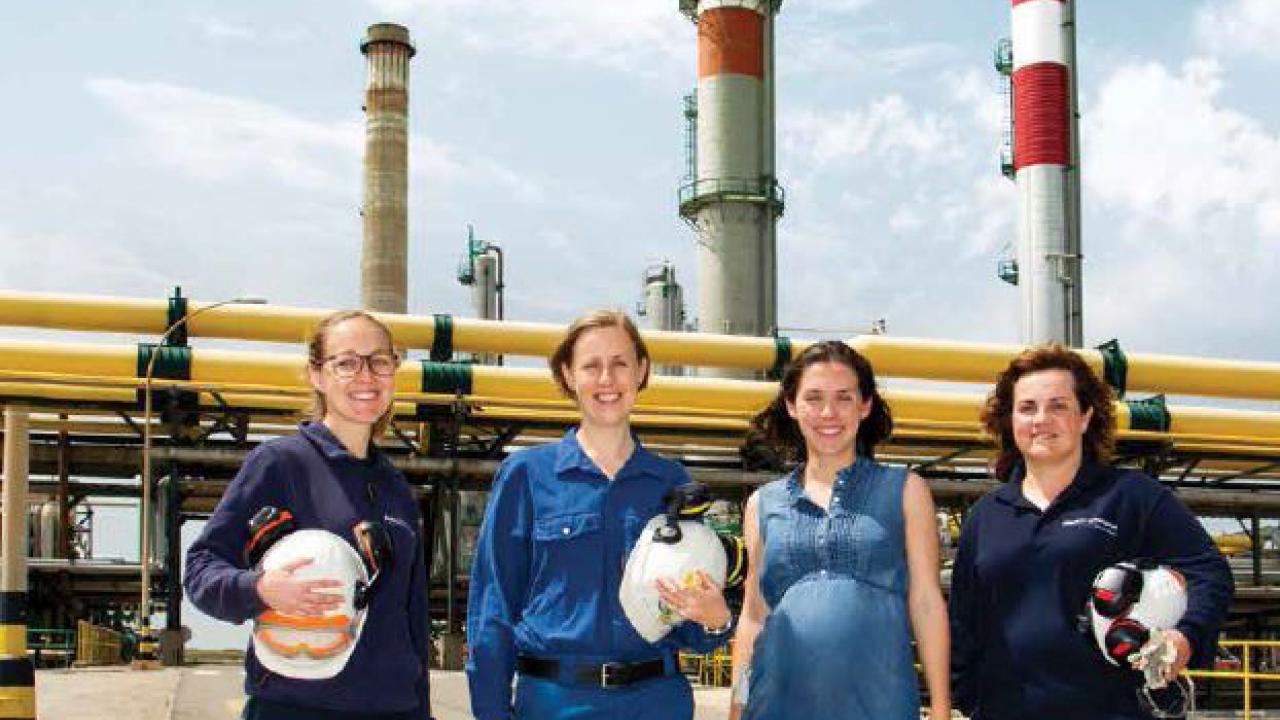
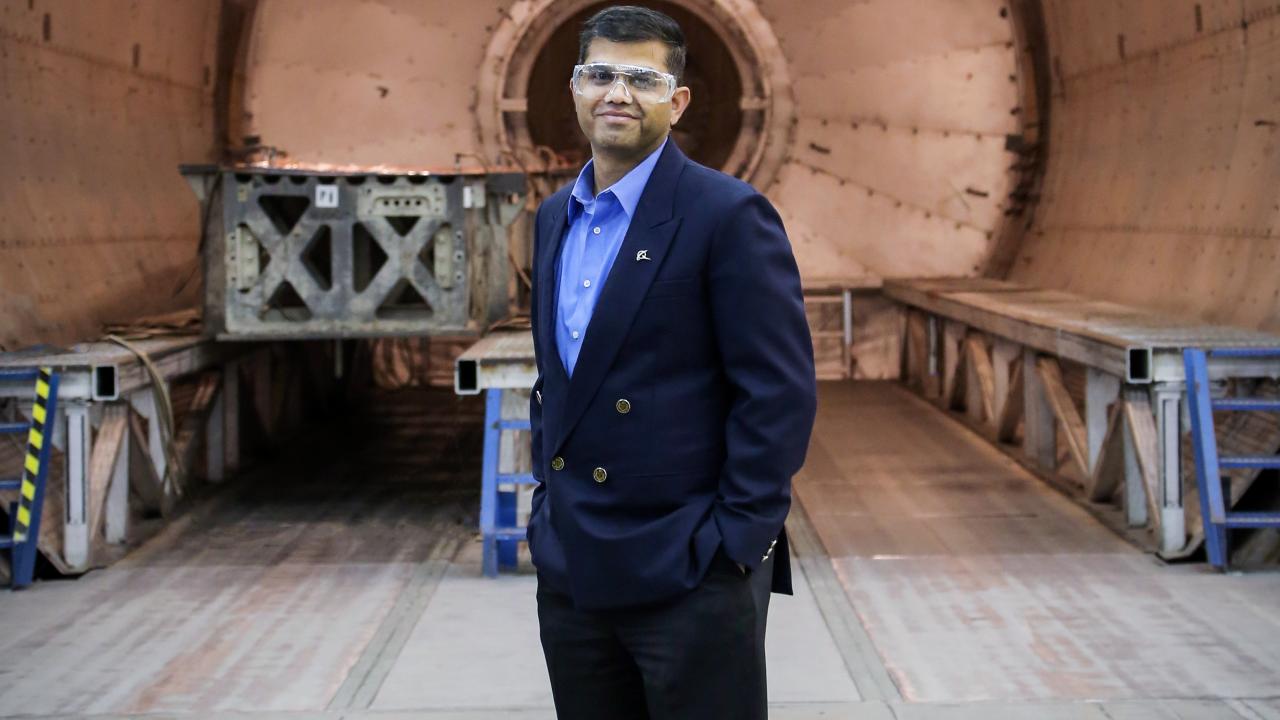
Boeing Fabrication Site Leader Eyes Net-Zero Energy Consumption
Adi Singh leads Boeing’s Frederickson, Washington, site, one of the company’s 12 major facilities that fabricate parts and structural components for Boeing commercial and military aircraft.
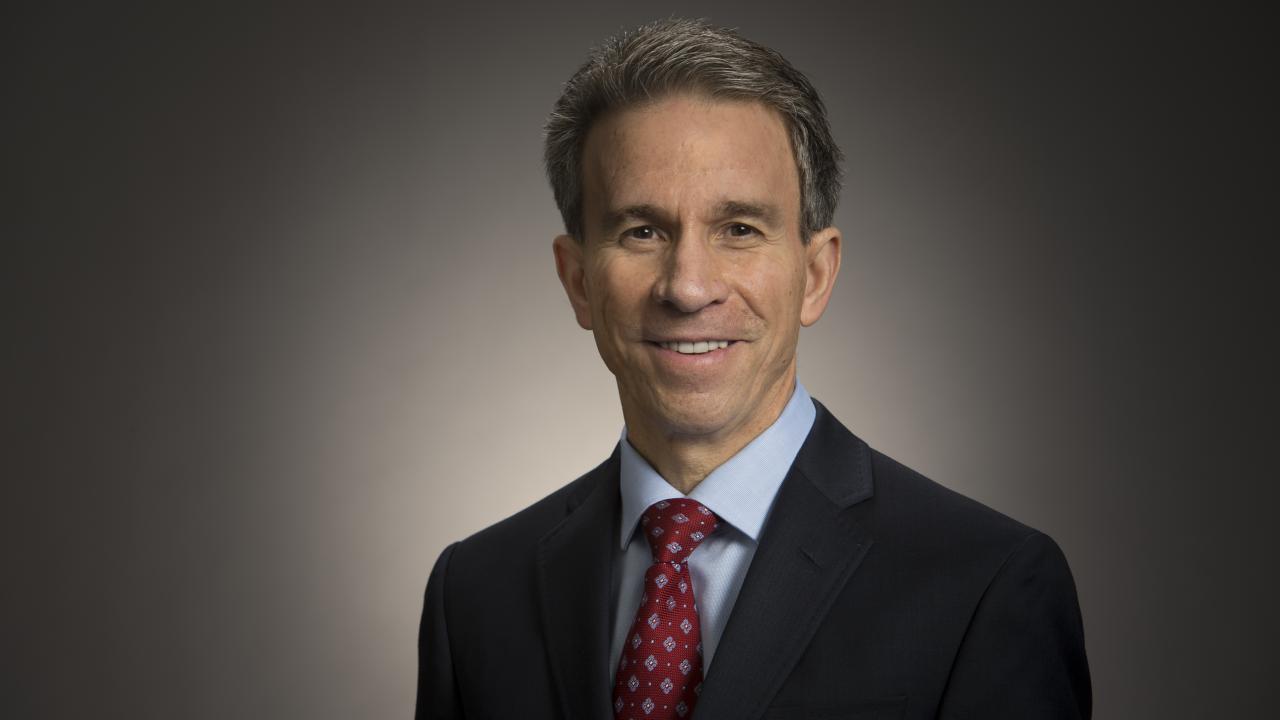
Caterpillar 2016 Sustainability Report | Letter from Caterpillar CEO Jim Umpleby
Caterpillar CEO Jim Umpleby highlights examples of how we’re building better through natural infrastructure, circular economy practices and energy access, as well as our sustainability practices within the company.
Daimler Stakeholder Dialogs
The Daimler Sustainability Dialogue has been a permanent platform for open and constructive discussions with a wide range of stakeholders for many years. Stakeholders are persons, groups or institutions which are directly or indirectly affected by a company's activities or who have an interest in these activities. Besides our employees stakeholders include customers, shareholders and investors as well as suppliers and other representatives from the worlds of politics, science and society.
Mercedes-Benz Models With Environmental Certificates
Its realisation requires incorporating environmental protection into products from the very start. Ensuring that this happens is the task of environmentally compatible product development. It follows the principle “Design for Environment” (DfE) to develop comprehensive vehicle concepts. The aim is to improve environmental performance in objectively measurable terms and, at the same time, to meet the demands of the growing number of customers with an eye for environmental issues.