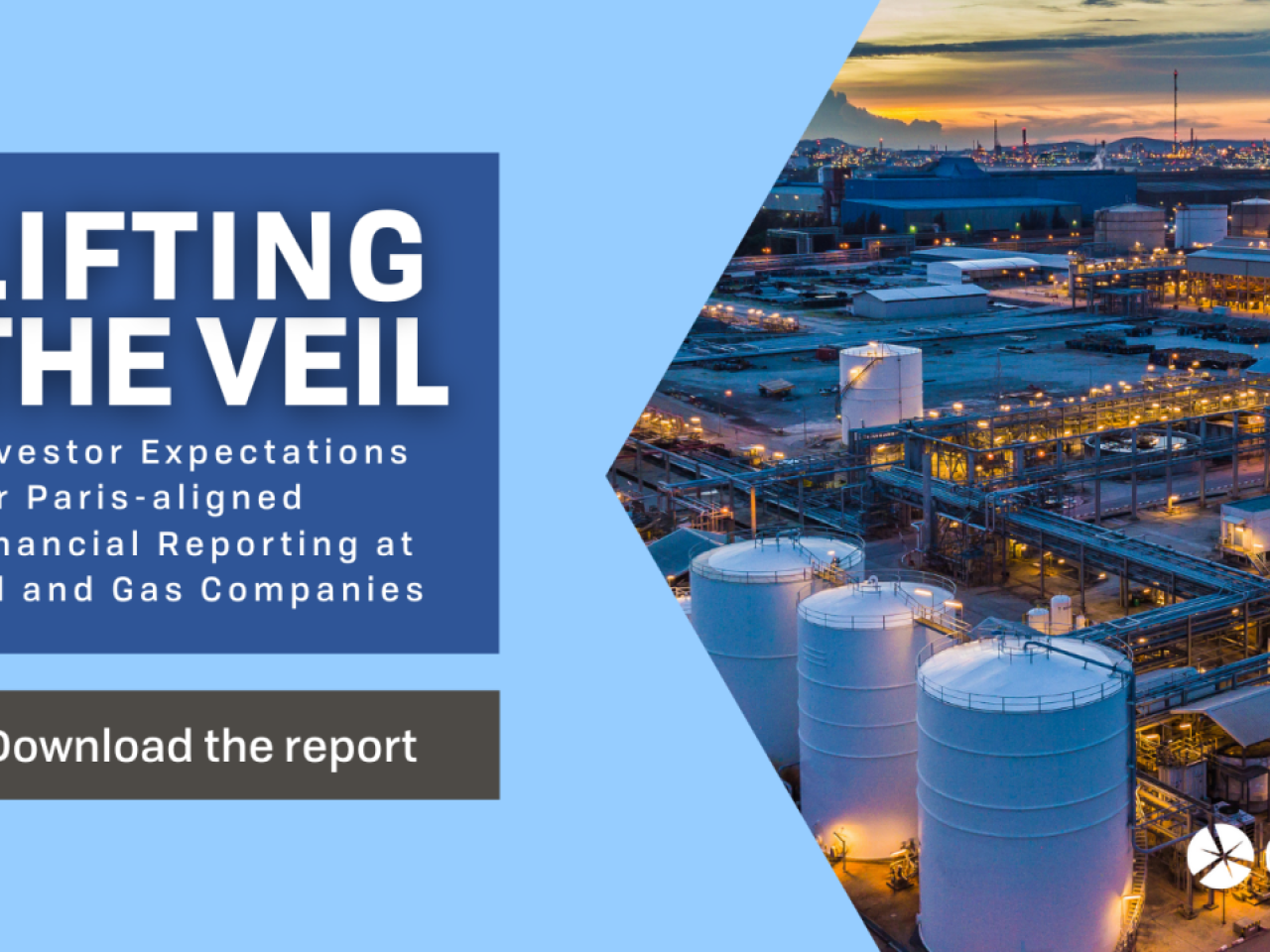
U.S. oil and gas companies, and their investors, are at risk of significant stranded assets because they are not adequately reflecting the impacts of the climate crisis and the clean energy transition in their financial reporting
Electric utilities are realizing that distribution modernization programs, also referred to as grid modernization, can no longer be put off. Overhauling the electric distribution system will require upgrades to OT, as well as to the networks that allow IT and OT components to communicate to improve reliability. The benefits are clear: Grid operators need advanced sensors, communications and automation so they can see what’s happening in real time, which will lessen disruption while enhancing efficiency, reliability, security and safety.
Transportation accounts for more than one-quarter of the nation’s greenhouse gas emissions, according to the U.S. Environmental Protection Agency. In a country with more than 70,000 transit vehicles — and with buses averaging roughly 34,000 miles of travel each year — electrification of the U.S. fleet and mass transportation spheres is becoming a top priority for city officials and utilities as they reimagine how people and goods move sustainably across urban landscapes. Removing fossil fuels from mass transit will go far in reducing that carbon footprint.
In response to the U.S. Environmental Protection Agency (EPA) announcement today that current vehicle fuel economy and emission standards need to be weakened, Carol Lee Rawn, director of transportation at Ceres, which works with influential investors and Fortune 500 companies on sustainability issues, stated, “Major investors and businesses understand that rolling back the Corporate Average Fuel Economy (CAFE) and emissions standards will undermine the global competitiveness of the U.S. auto industry at a time when the rest of the world is moving in the opposite direction, prioritizing clean vehicles and responding to consumer demand for cars that save them money.”
Massachusetts is a national hub for innovation in the technology, healthcare, and clean energy sectors. From world-class universities to a rapidly growing biotechnology industry and unparalleled healthcare sector, Bay State businesses and institutions are on the cutting edge. So, it comes as no surprise that a growing number of companies are investing in the rapidly growing clean energy sector and powering their operations with renewable energy and energy efficiency. As the businesses community embraces clean energy, Massachusetts must do its part to keep pace and strengthen the Commonwealth’s clean energy policies this legislative session.
As leaders from states across the nation denounce U.S. Environmental Protection Agency (EPA) Administrator Scott Pruitt’s final determination that would lead to a significant rollback of the nation’s greenhouse gas emissions standards for vehicles, the Ceres senior director of policy and the BICEP Network, Anne Kelly, issued the following statement.
What would US energy policy look like if we had more committed progressives in Congress? Our guest today on Sea Change Radio, Ray Linsenmayer, hopes he can help us find out.
The REM 2018 Call for Abstracts has been extended two weeks—through Thursday, April 5th. Join REM 2018 as a speaker and share your ideas, insights, and predictions at the most important conference of the year for the clean energy market.
California can reduce carbon emissions by more than 70 million metric tons by 2030, akin to taking 15 million gasoline-powered cars off the road in one year, by adopting a higher target for its Low Carbon Fuel Standard (LCFS), according to “California's Clean Fuel Future: Assessing Achievable Fuel Carbon Intensity Reductions Through 2030,” an analysis released today by the UK-based research firm Cerulogy.
A national network of influential American businesses is calling on the Trump administration to maintain robust fuel-economy and emissions standards for passenger vehicles, and expressing support for states' rights to maintain those standards.
In January, I spent a day in Richmond meeting with lawmakers to share why clean energy matters to Mars Inc., and to emphasize our support for access to renewable energy and efforts to reduce carbon emissions. Together with other Virginia-based companies, we outlined the value of clean energy and emission-reduction policies for companies like Mars that are looking to grow their business and invest in sustainable solutions that provide mutual benefits for customers and communities.
Advanced security, fraud, and data protection, Keeping your accounts and information secure is a priority for us, and we know it’s a priority for you...
DP World delivers comprehensive automotive logistics capabilities including finished vehicle logistics with Cars in Containers (CIC) solutions, ro-ro...
Our Prescription for a Better World framework is organized around three key pillars: building healthy communities (Health in Action), protecting the...
Highlighting the top news, commentary, and research for the week coming from SHQ. The highlights newsletter also spotlights one profiled organization...