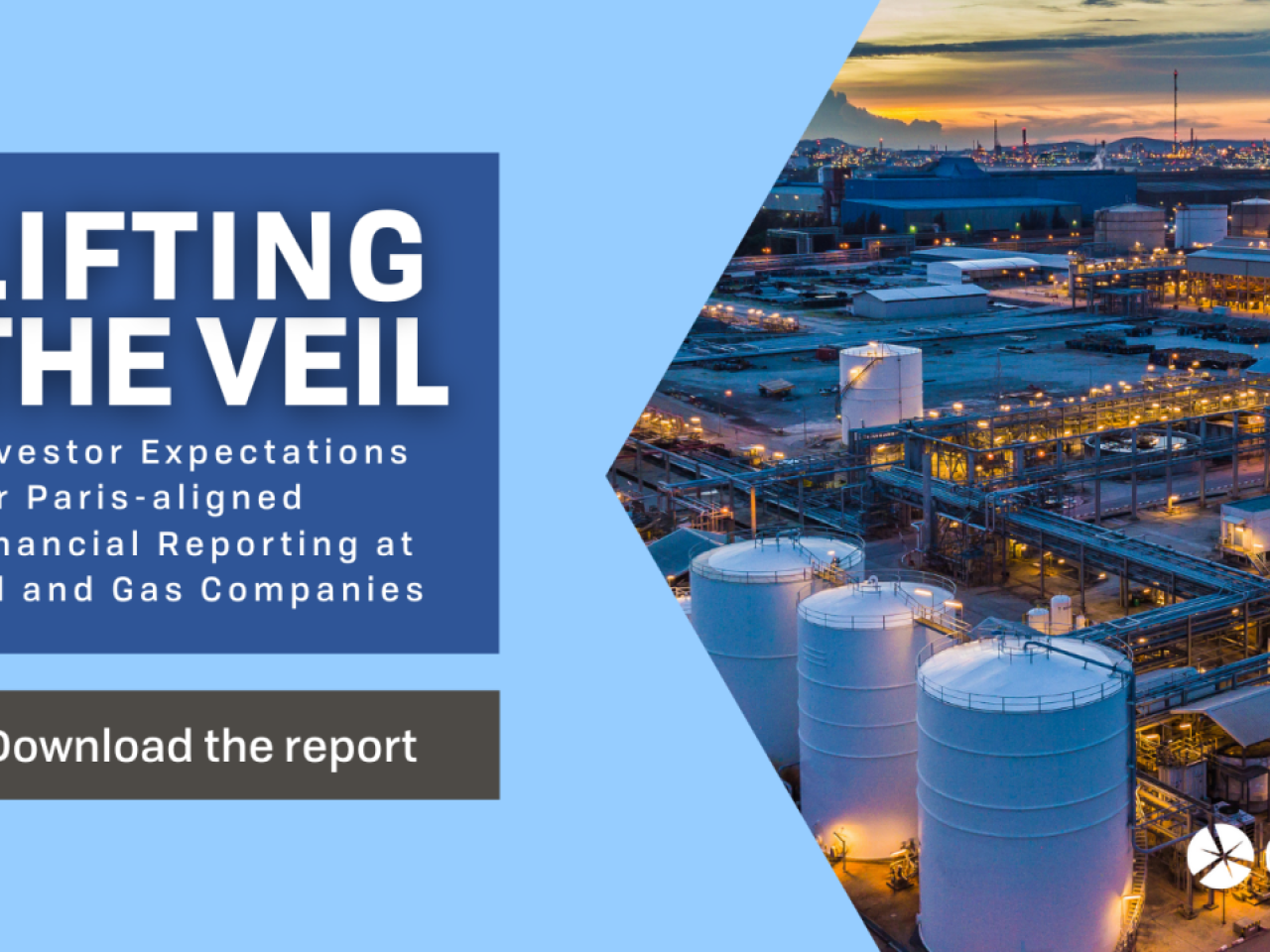
U.S. oil and gas companies, and their investors, are at risk of significant stranded assets because they are not adequately reflecting the impacts of the climate crisis and the clean energy transition in their financial reporting
First, the bad news: In October, the International Panel on Climate Change (IPCC) released the latest version of its Special Report on Global Warning, which describes a dire future without immediate and far-reaching action to reduce greenhouse gases — difficult when global emissions continue to rise.
The Beverage Industry Environmental Roundtable (BIER) has released a document entitled Beverage Industry Greenhouse Gas (GHG) Emissions Sector Guidance (4.0). An update to a previous version released in 2013, this document is intended to provide supplementary guidance specific to beverage companies for greater consistency, accuracy, and leadership with GHG accounting and management.
Celebrate innovation with the International Living Future Institute at Living Future 2019 in Seattle, Washington, from April 30-May 3. Register before December 14, 11:59 PM PST, and take $150 off your ticket for this year’s conference highlighting Collaboration + Abundance. Prices go up after midnight and will not be this low again.
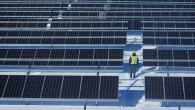
In a speech this week to a large, business-friendly crowd in Grand Rapids, Michigan, Consumers Energy President and CEO Patti Poppe presented an economic case for solar power, electric vehicles and moving past coal.
NRG Energy's VP of sustainable solutions discusses how the company's Renewable Select program simplifies the renewables procurement process, and makes it easier for companies to choose clean energy.
Fleet electrification is an exciting component in UPS’s use of emerging technologies and an important element in helping the company achieve its ambitious sustainability goals.
Late last week on the heels of the Thanksgiving holiday, the federal government released the second volume of its Fourth National Climate Assessment. The report details the present and future impacts of climate change in the U.S. by sector and by region.
The main finding? Climate change is already having economic and health impacts across the nation, and time is running out to prevent or minimize even the very worst impacts.
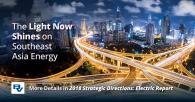
Nations in Southeast Asia are working to balance energy security, environmental sustainability and economic competitiveness at a time when the financial sector is looking for bankable energy projects in which to invest. The region’s industrial growth in recent years has encouraged economic growth and urbanization that has expedited its consumption of energy.
Emerging industries depend on government support to grow, but they may be seen as threats to an incumbent industry, and they need to prove their technical feasibility and market promise. So how do emerging industries garner government support? A group of researchers led by former Erb Institute Postdoctoral Fellow Panikos Georgallis set out to demystify the conditions under which emerging industries get government support.
Battery-based energy storage is a proven technology that can enable your schools to use more self-generated solar power and help stabilize the grid, while significantly reducing district energy costs.
The SCS Kingfisher certification mark is showing up on an increasing number of products around the world. It differentiates companies that are making...
Subaru works to reduce waste, safeguard resources for future generations, and preserve natural spaces – making real, meaningful commitments to these...
The SCS Kingfisher certification mark is showing up on an increasing number of products around the world. It differentiates companies that are making...