Given the climate-fighting power of regenerative agriculture, a growing segment of farmers, land managers, and consumer goods companies are working to integrate more of these practices into the way they grow the world’s food and forest-based products.
Originally published on TriplePundit
By Amy Brown
This article is sponsored by P&G
Sustainable land management practices like regenerative agriculture and responsible forestry offer huge promise as a climate solution, with the potential to contribute over a quarter of the emissions reductions necessary to achieve the goals of the Paris agreement. This suite of practices, from cover-cropping and crop rotation to forest conversion avoidance and wildlife preservation, aim to protect and restore the health of the world’s soils — which increases their ability to capture carbon from the air and store it underground.
“Healthy soil is a living ecosystem that’s full of microbes, fungi, insects, and other organisms that cycle nutrients and store carbon,” says Gabrielle Katanic, farm operations business manager at Lundberg Family Farms.
Given the climate-fighting power of regenerative agriculture, a growing segment of farmers, land managers, and consumer goods companies are working to integrate more of these practices into the way they grow the world’s food and forest-based products.
For the regenerative organic rice brand Lundberg Family Farms, it’s about going back to the roots. The company’s founders left Nebraska in the wake of the Dust Bowl in 1937, bringing a “leave the land better than you found it” philosophy to California rice farming. Today, Lundberg aims to celebrate those time-honored agricultural practices as climate solutions and work with partners to scale them further. “It’s the way we’ve always done things,” Katanic says. “Now there’s a word for what we’re doing that goes beyond organic.”
Lundberg is far from the only consumer brand with regenerative ag on the radar. And that’s a good thing, because collaboration among the many stakeholders in the agricultural system is what’s required for these practices to really make a difference in the fight against climate change.
In another powerful example, the oat drink producer Oatly partners with farmers and oat mills to co-design a regenerative agriculture program that respects farmers’ insight into their land and their livelihoods. The rotation of diverse crops, including oats, is a winning practice for growers and producers as well as local biodiversity.
Off the field and in the forest, P&G — maker of Bounty, Puffs and Charmin — works globally to build the resilience of ecosystems in the landscapes critical to the future of responsible forestry.
“We make paper products, so that’s why we need healthy trees and forests,” says Chris Reeves, Certified Forester and director of scientific communications for P&G Paper. “The link between responsible forest management and our business needs is direct and evident.”
All three companies, despite differences in products and size of operations, are aligned in their commitment to regenerative practices and what it means for the long-term viability of their business and the planet.
Their united vision has three essential ingredients: collaboration, third-party verification and biodiversity at the core.
TriplePundit spoke with each of these leaders to learn more about what they’re doing and what they’ve learned that can be scaled across the sector.
Coming together to build impact at scale
With growers deploying a vast array of practices, regenerative land management doesn’t look the same for any single company or its suppliers. But Lundberg Family Farms, Oatly and P&G all agree that scaling this work depends on bringing everyone who has a stake in the effort on board.
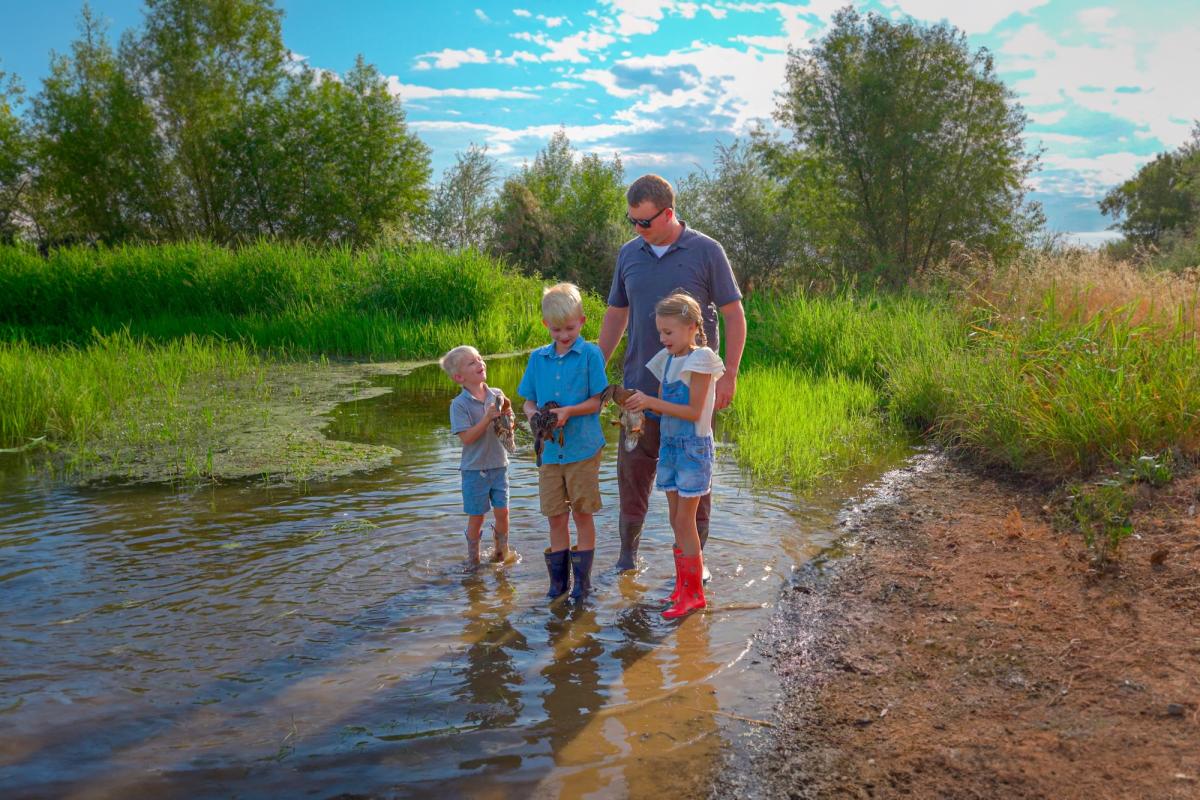
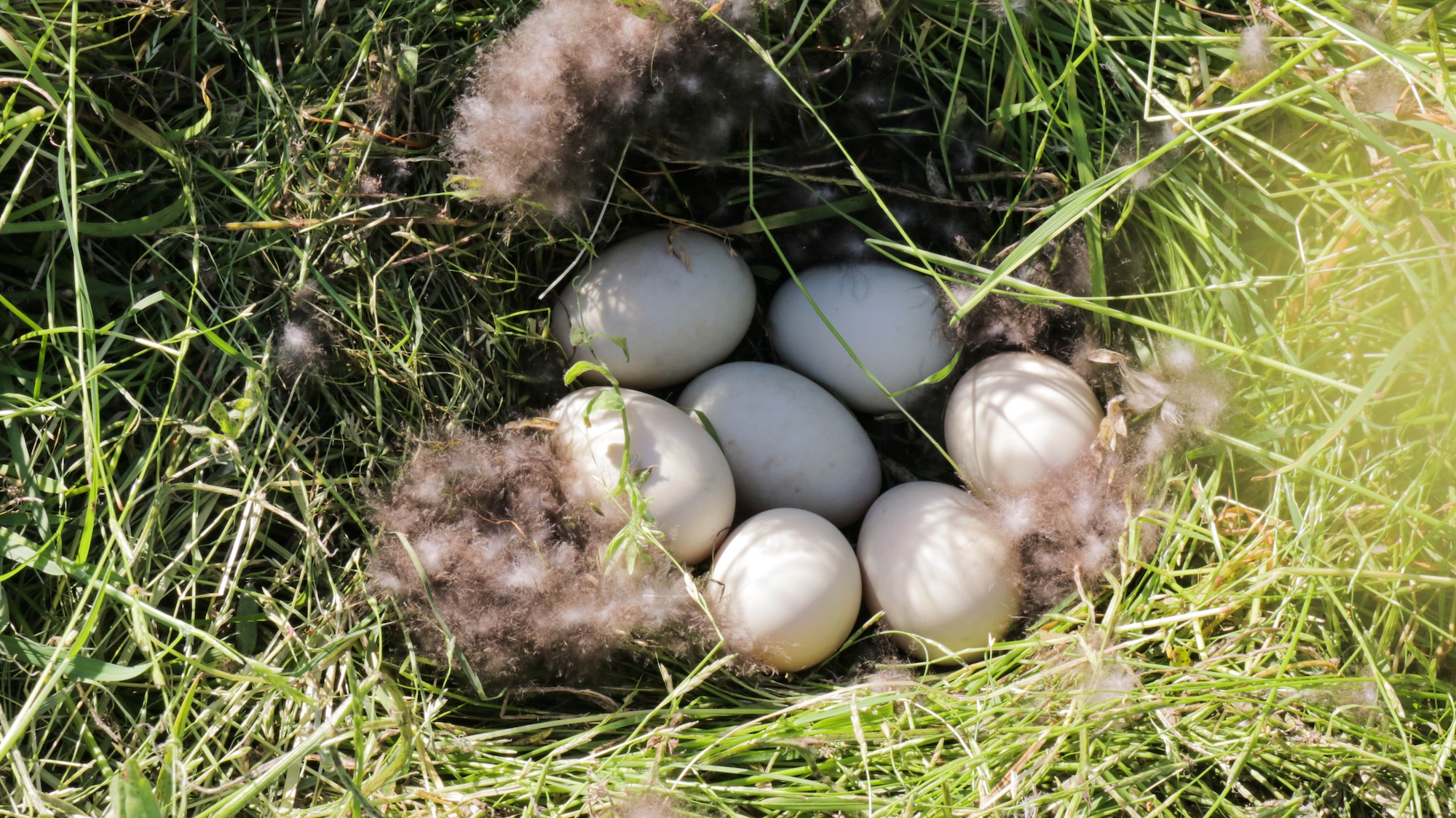
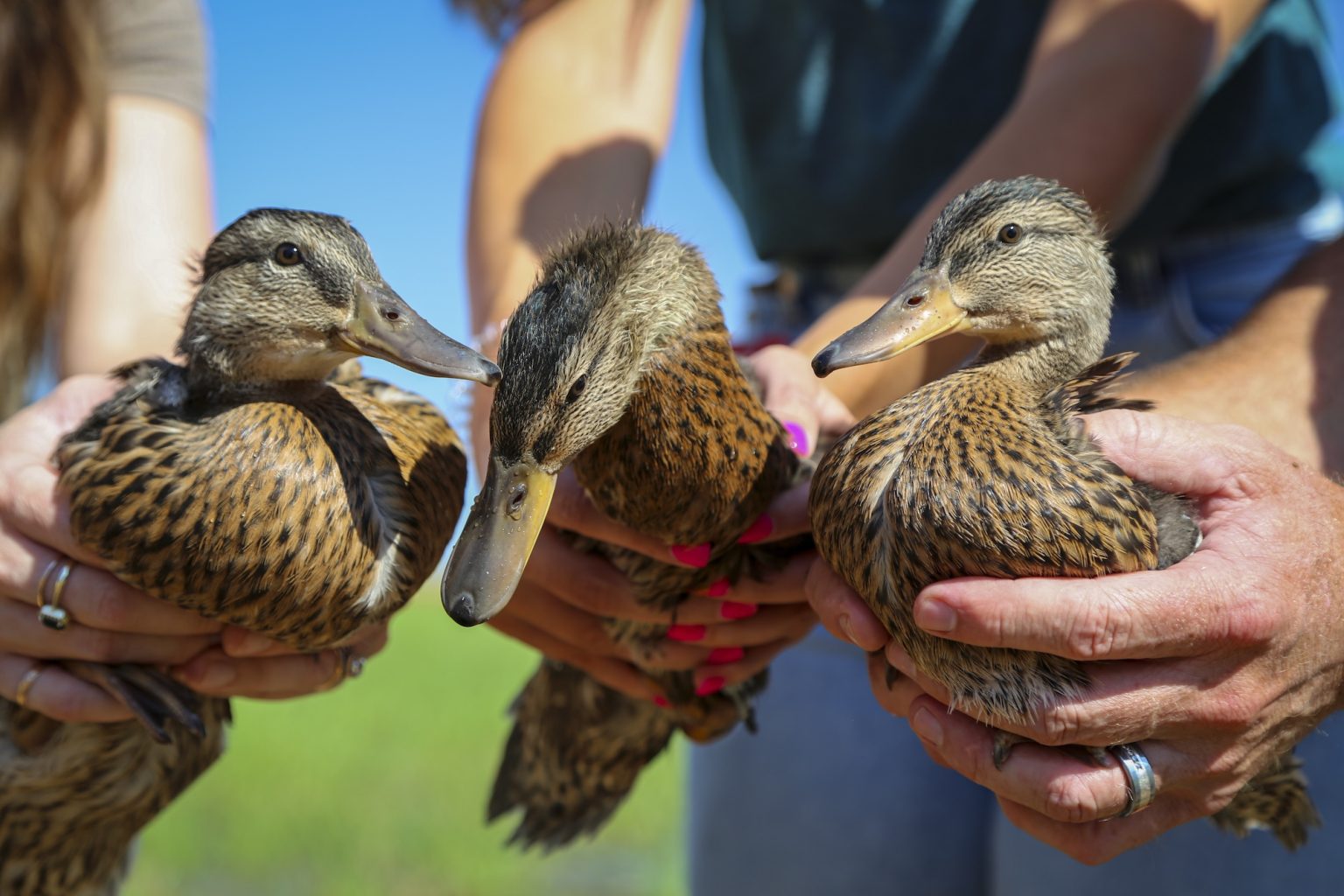
Lundberg Family Farms’ duck rescue efforts are a prime example. When preparing to mow their winter cover crops to prep the fields for rice planting, the Lundbergs noticed that ducks had been nesting in the fields. So as not to destroy the nests with farm equipment, they linked up with local hatcheries, the California Department of Fish and Game, the California Waterfowl Association, and other NGOs to save them.
This simple effort based on mutual goals of sustainable agriculture and biodiversity has saved an estimated 30,000 baby ducks so far, Katanic says. It’s among many of the company’s wildlife habitat, soil health and water management efforts in partnership with local organizations.
Oatly has similarly ambitious goals that only collaboration will make possible. The company’s sustainability strategy is based on a framework that classifies its products as “climate solutions,” which means they have at least 50 percent less climate impact than the average impact of the milk category. Maintaining that classification and reducing the company’s overall corporate footprint requires the company to focus on the largest driver of its corporate emissions: its ingredients and in particular, its oats. Because oats grow best in rotation with other crops, Oatly recognized it would be an unfair burden to ask farmers to change how they grow only one crop. So the company actively seeks other brands that are buying the rest of the crops grown in rotation.
“It’s unfair for Oatly to come to a farmer and say, ‘I’d like you to grow your oats in this way,’ while ignoring that oats are being grown in rotation with several other commodities,” says Erin Augustine, vice president of global sustainability at Oatly. “In an ideal world, we would have a standard program that applies to all of their commodities, in which a group of brands has all agreed upon the regen practices for the year.”
In one step closer toward this end, Oatly joined 20 other food companies including Whole Foods in the Wilding project. Led by the NGO Mad Agriculture, the effort to bring wildlife back to farms is one of the largest regenerative agriculture collaborations to date.
Another multi-brand initiative is the Trusted Advisor Partnership based in Canada, led by agrononomists who provide food and beverage brands, scientific researchers, and NGOs with soil health training to help them implement better soil health practices in their operations. Oatly, Grain Millers, Bob’s Red Mill and Louis Dreyfus Co. are among the company partners.
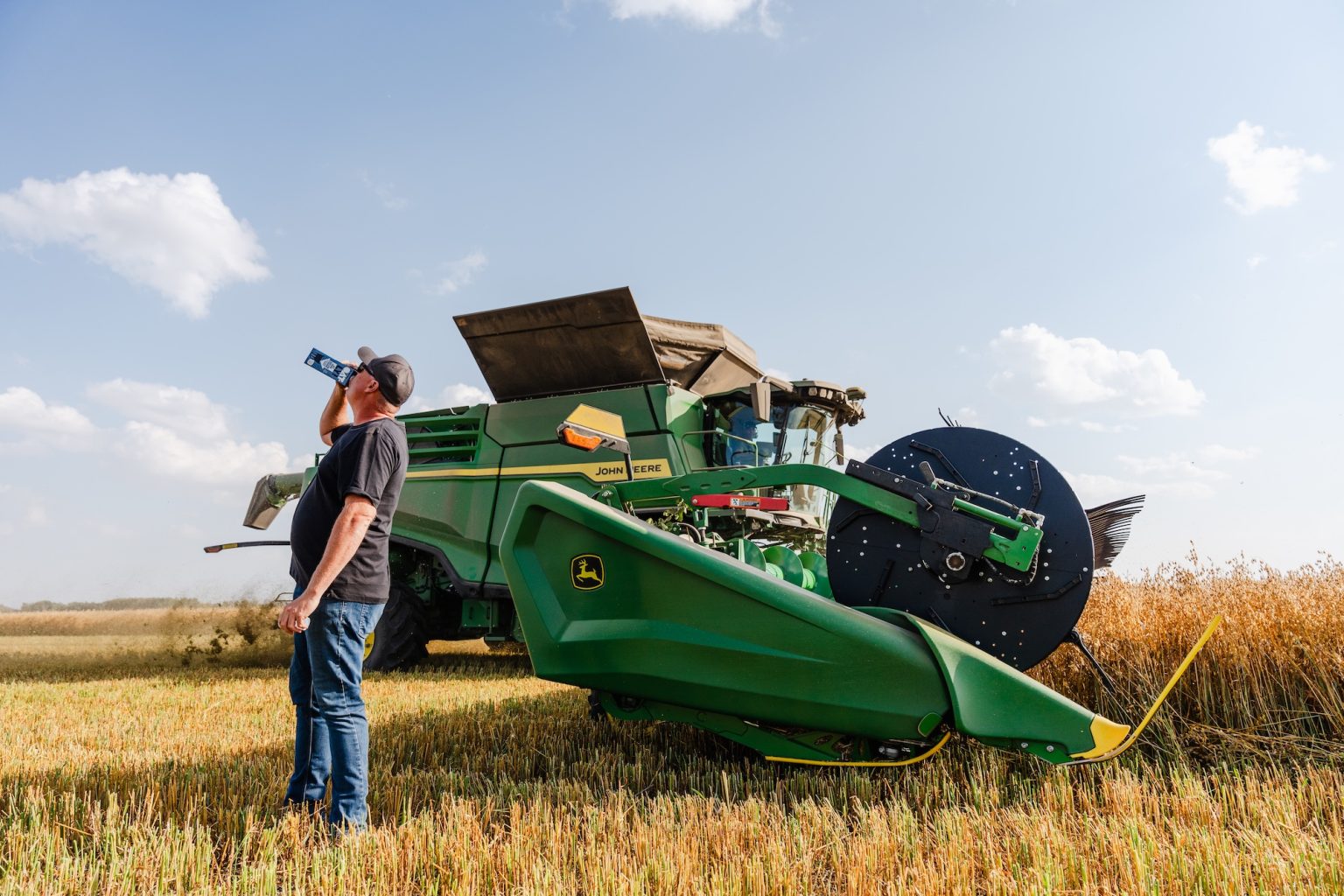
Oatly aims to source the equivalent of 100 percent of its oats from suppliers using regenerative practices by 2050. “We estimate that this will result in a 94 percent reduction in greenhouse gas emissions,” Augustine says. Oatly’s program in Canada shows what’s possible, reaching 20 percent equivalent regeneratively grown supply in the first three years.
Industry-wide connections like these are as important in the forest as they are on the farm. Since pulp is one of a handful of products sourced from a tree (lumber, bark for mulch, sawdust for energy), the full forest value chain needs to work together to scale responsible forestry, says Reeves of P&G.
“If you just show up as the only one asking for something, you’ll get a couple things here and there, but you’re really not going to make that systematic change,” Reeves says.
This approach goes hand-in-hand with P&G’s “Protect, Grow, Restore” Framework to help protect, restore, or improve priority landscapes in partnership with conservation organizations and small landowners.
Third-party certification ensures consistency and builds credibility
To attract the confidence of potential partners as well as consumers, these companies are also increasingly sourcing from suppliers or growers who are third-party certified.
P&G has a policy that 100 percent of the wood pulp it sources is certified by a globally recognized certification system, namely the Forest Stewardship Council, the Sustainable Forestry Initiative or the Program for the Endorsement of Forest Certification. Each of these include criteria related to protecting both the environmental and social value of forests.
To date, 86 percent of the company’s paper product raw materials are Forest Stewardship Council (FSC) certified, against an ambition of 100 percent by 2030.

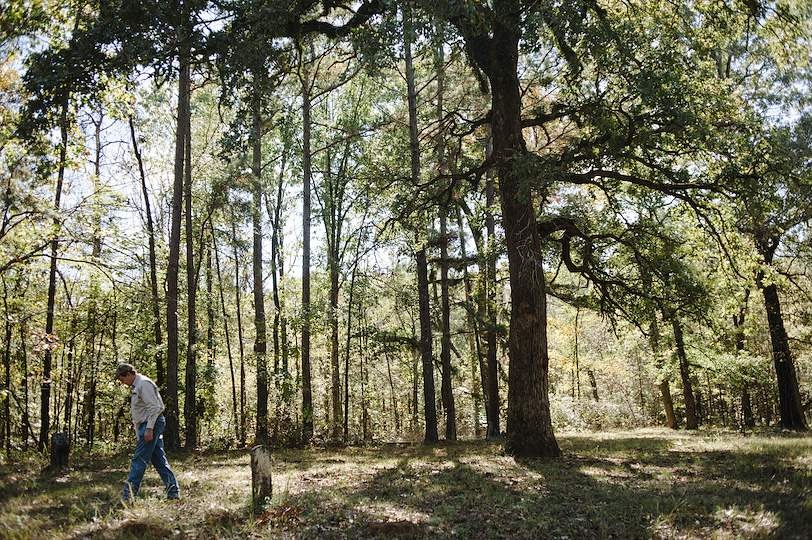
Reeves says that final 14 percent will be the hardest to achieve, requiring continued investment in landowner projects and supply chain engagement. One of the ways P&G makes those investments is through a partnership with the Four States Timberland Association (FSTO) in Arkansas and Louisiana. FSTO bundles small landowners — often non-forestry professionals like nurses, doctors and truck drivers who own parcels ranging from 40 to 100 acres — to provide forest management plans, access to natural resource professionals, and group certification.
With the increasing urgency of climate change, more discerning and demanding consumers, and partners and suppliers with their own sustainability goals, all three company leaders agree a macro mindset is the true key to scaling regenerative agriculture and responsible forestry practices.
“We have this catch-22 where the food system is both contributing to and reacting to the impacts of the changing climate,” says Augustine of Oatly. “And so, of course, that spurs us along to do this work. We’re working on a bigger food system transformation.”
This article is sponsored by P&G.