A new Forbes Council article from DP World’s Morten Johansen highlights a growing reality for global trade: energy is no longer just an input — it’s a competitive differentiator
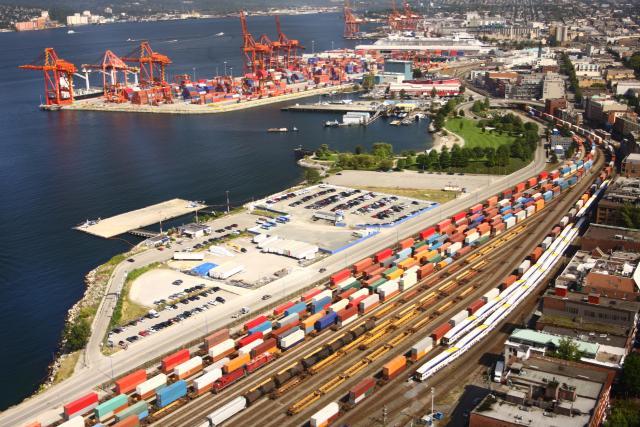
Energy is rapidly moving from the background of port operations to the center of global trade strategy.
In a recent Forbes Business Council article – "Ports And Power: Why Energy Security Is Becoming A Port Strategy" – Morten Johansen, COO of DP World in the Americas, outlines how energy security is emerging as a defining factor for ports, supply chains, and nearshoring decisions.
The shift reflects a broader global trend. As volatility in energy markets increases and electrification accelerates across logistics, ports are facing new pressures — and new opportunities — to rethink how they power operations.
A Structural Shift in How Ports Compete
The article points to a clear evolution: ports are no longer competing on location and capacity alone.
Instead, three converging dynamics are reshaping the landscape:
- Energy volatility is impacting trade reliability, with price swings and supply constraints affecting operations in real time
- Electrification is accelerating across port equipment and infrastructure, increasing dependence on consistent, high-quality power
- Grid limitations are emerging as a constraint, particularly as demand outpaces investment in energy infrastructure
Together, these forces are pushing energy strategy to the forefront of operational and investment decisions.
From Logistics Hubs to Energy-Enabled Ecosystems
As outlined in the piece, ports are evolving into more complex, integrated systems where managing energy is as critical as managing cargo.
This includes a growing focus on:
- Diversifying energy sources, including on-site generation
- Improving visibility into energy demand and usage
- Supporting customers’ expectations around resilience and emissions
In this model, energy becomes a core enabler of both efficiency and decarbonization.
Why It Matters for Business Leaders
For companies evaluating supply chains, corridors, and nearshoring opportunities, energy is becoming a key decision factor.
The article highlights a shift in how leaders assess logistics ecosystems, placing greater emphasis on:
- Reliability and resilience of power supply
- Exposure to energy cost volatility
- Ability to support long-term sustainability goals
In short, energy strategy is becoming inseparable from supply chain strategy.
Read the Full Perspective
As global trade continues to evolve and disruptions persist, the role of energy in shaping competitive, resilient logistics networks will only grow.
For a deeper look at how these trends are unfolding — and what they mean for business leaders — read Morten’s full article in Forbes Business Council: "Ports And Power: Why Energy Security Is Becoming A Port Strategy”