Remediation

Corporate stories about Remediation across 3BL's network.

Latest in Remediation
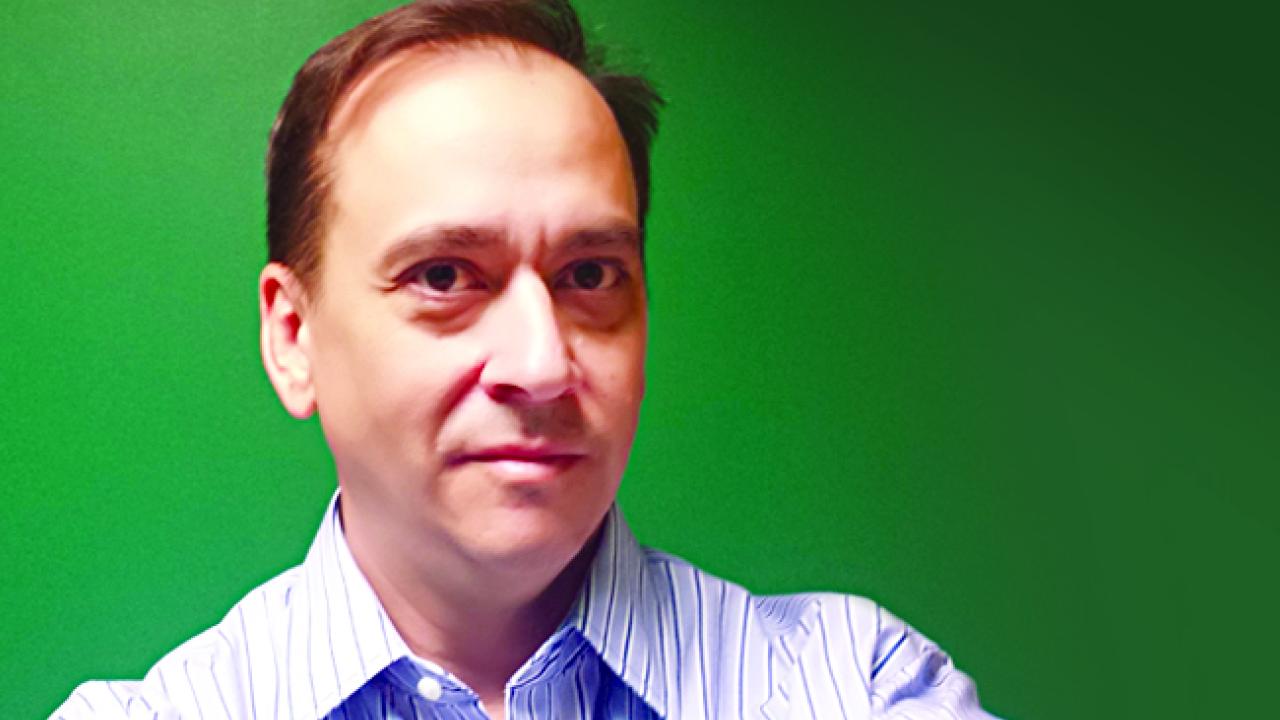
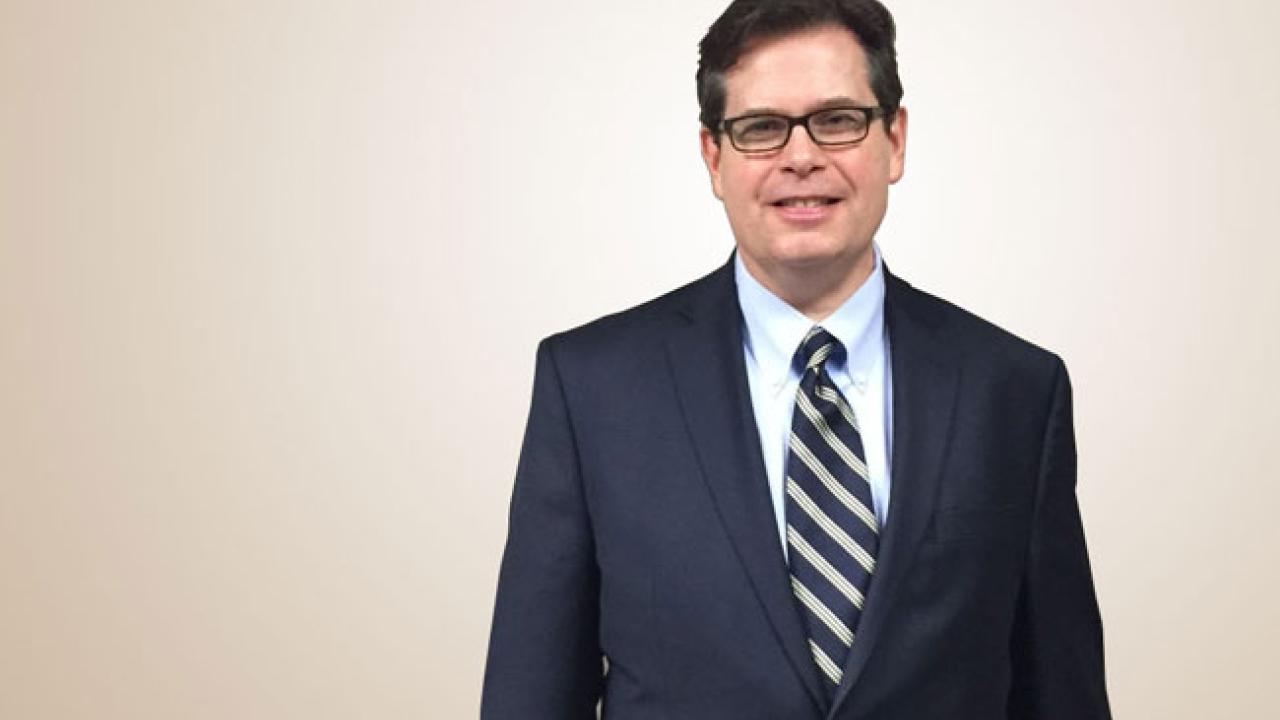
Interview With Rob Ivanovic, SCADA Systems Expert
Rob Ivanovic is a senior engineering project manager with 20 years of experience in water treatment, wastewater treatment, and water distribution involving SCADA and DCS planning, design, programming, implementation, and testing. He has managed numerous engineering, construction, configuration, and start-up projects. His expertise includes identifying stakeholders, defining scope management plans with cost and labor baseline estimates, scheduling and coordinating project activities, planning risk management, tracking work progress, forecasting labor requirements, and producing compliance reports.
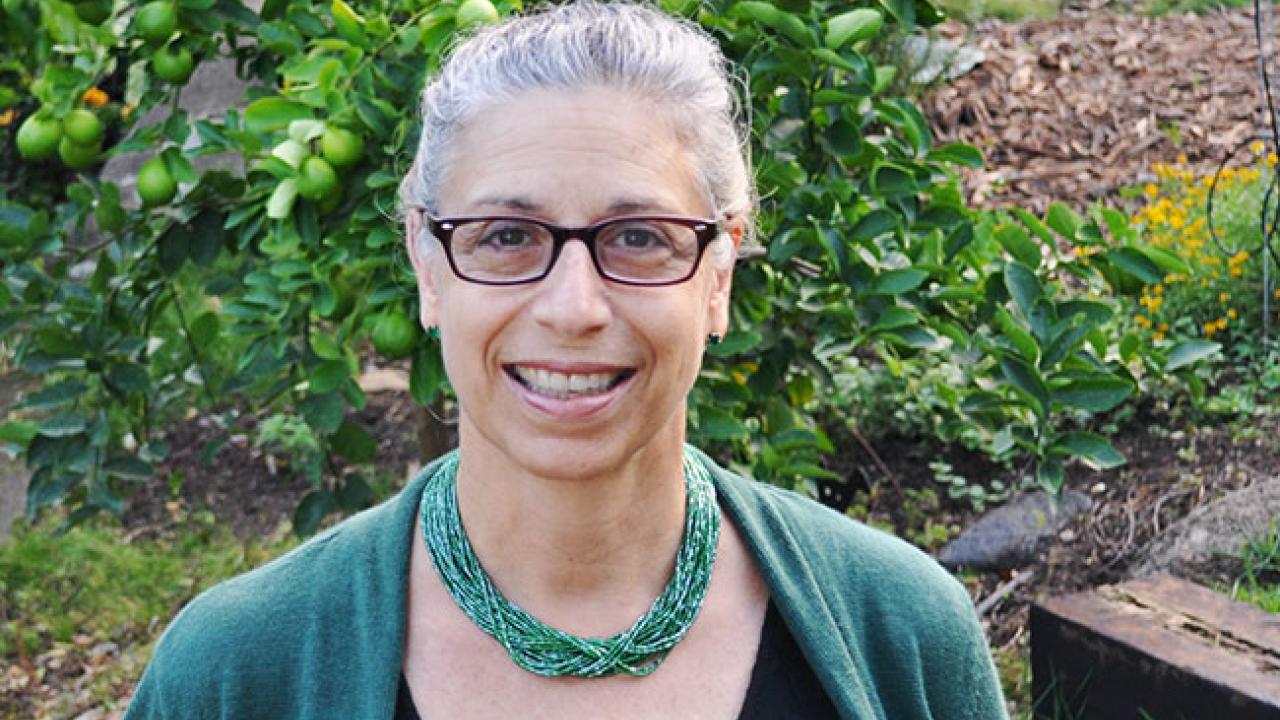
Expert Interview with Dr. Catherine Courtney, Marine Environmental Science Expert
Dr. Catherine (Kitty) Courtney has more than 25 years of international and domestic experience in marine and coastal management, climate change adaptation, and coastal community resilience.
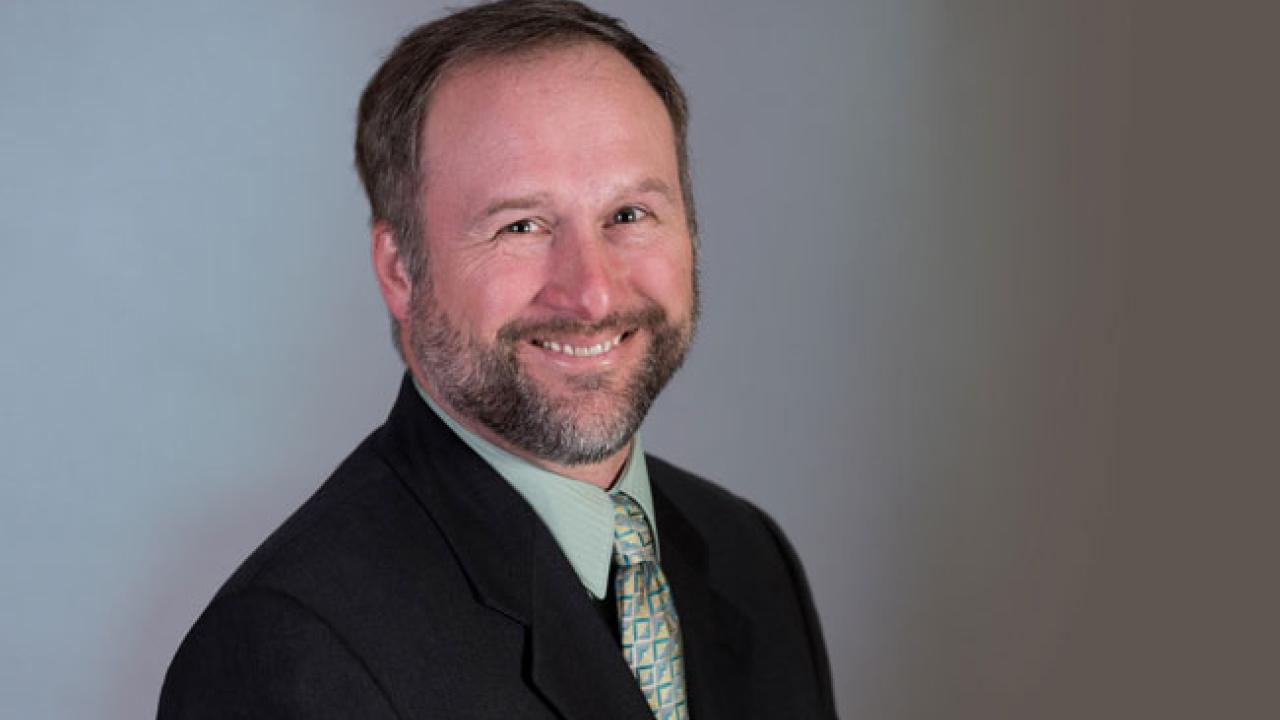
Expert Interview With Michael Kovacich, Groundwater Remediation Expert
Michael Kovacich, CPG, CP graduated from Eastern Michigan University in 1991 with a major in geology and a minor in biology. He received his Master of Science in Earth Science from Western Michigan University in 1999, specializing in contaminant hydrogeology and coastal processes.
Interview With Steve McGee, Sediment Remediation Expert
Steve McGee has more than 30 years of experience in the investigation, development, and implementation of sediment remediation projects. He has studied and managed several of the largest sediment remediation efforts in the United States, from the Fox River in Wisconsin to the Kalamazoo River in Michigan.
Q&A With Mark DeAndrea: Domtar’s BioMaterials Innovation Team
Petroleum is derived from plant and animal matter that has been underground, under extreme heat and pressure, for millennia, slowly becoming fossil fuel. At Domtar, we can now achieve the same result in less than a day at a pulp mill, where we break down wood into cellulose, hemicellulose, lignin and extractives — materials that are renewable and managed sustainably, without releasing sequestered CO2 into the atmosphere.

Our BioMaterials Innovation team is looking for ways to leverage our asset base, including but not limited to our mills and our biomass supply chain.
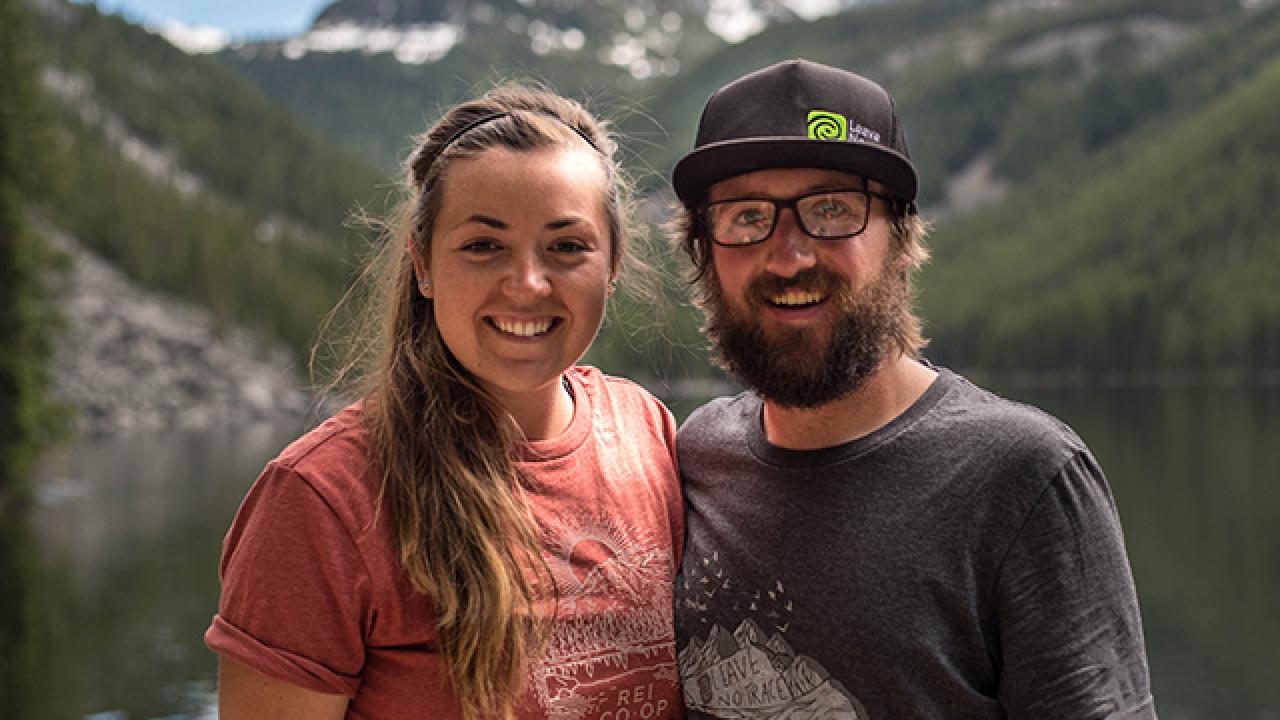
Sustainability School: The Traveling Trainers Leave Their Mark By Teaching the Principles of Leave No Trace
Since 1999, Subaru has partnered with LNT on the Subaru/Leave No Trace Traveling Trainer program, which consists of four groups of two educators who crisscross the country in Subaru vehicles teaching people to appreciate the outdoors responsibly. Working with everyone from the general public to nonprofit organizations to governmental agencies, the trainers educate via programs ranging from hour-long workshops to intensive two-day field courses.
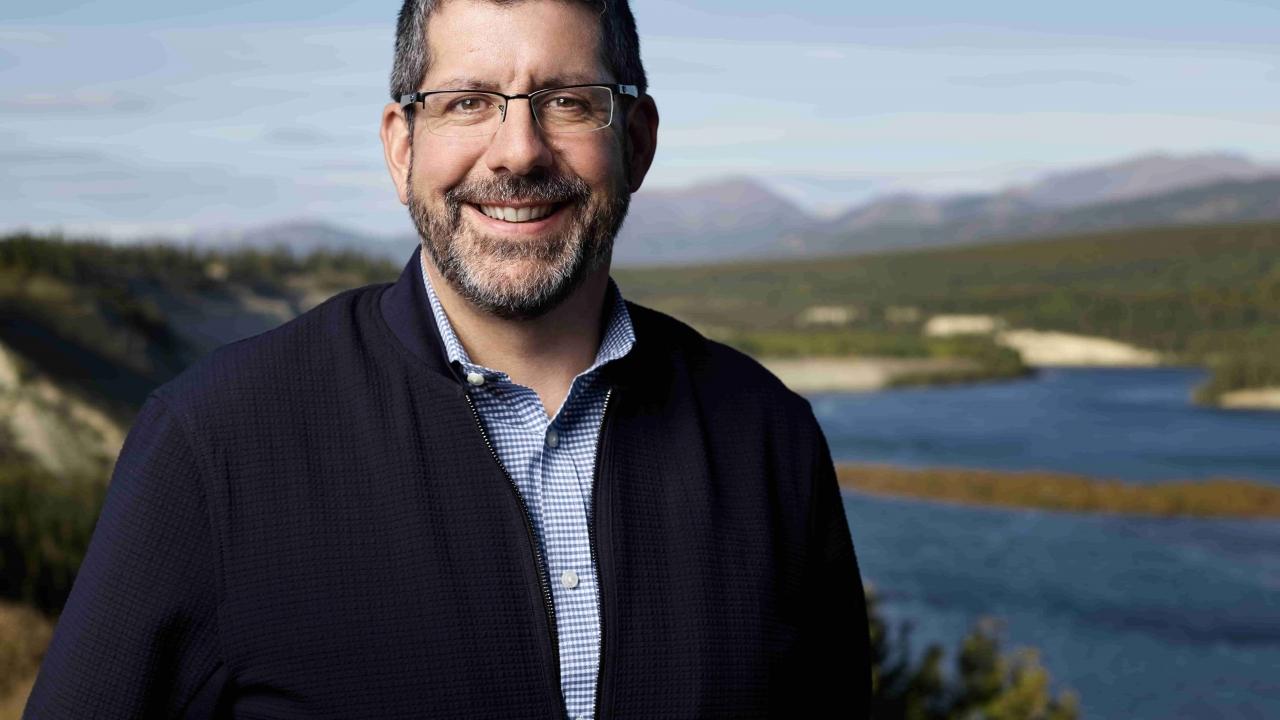
Talking Mine Closure With Chris Cormier, Former Vice President, Reclamation and Closure
Mine closure and reclamation are key components in the life cycle of a mine. To us, how we leave our mine sites and how we start them are equally important. Until recently, Chris Cormier was our VP of Reclamation and Closure, but this year he made the jump from mine closure, to opening a new mine at our Coffee Mine Project in the Yukon as the Mine General Manager. Before his transition to Coffee, we asked him how 2017 helped shape Reclamation and Closure at Goldcorp.
Land Remediation Restores Soil Conditions at El Sauzal
Land management practices in the mining process can take an environmental toll on the soil around a mine site. Tillage, stripping and removal of native vegetation can alter the living and nutrient conditions of soil organisms, and result in a degradation of their microenvironments, particularly with a reduction of soil biotics, both in biomass and diversity.

Yet proven successful remediation techniques utilized by experienced erosion control specialists can restore the land back to the original state before mining operations commenced. Such was the case at Goldcorp’s El Sauzal mine, located in the municipality of Urique Chihuahua, Mexico.
Seeing Red: The Story of Cyanide Dye at Goldcorp
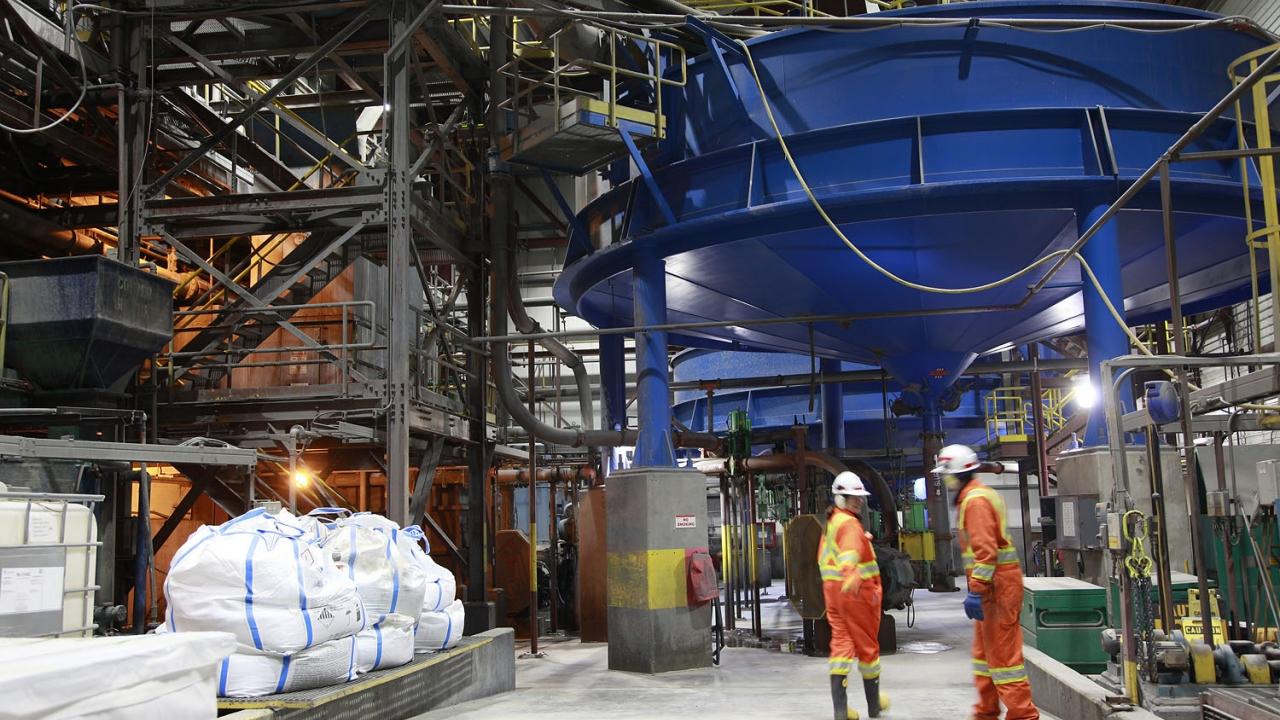
Goldcorp’s safety culture underpins everything we do as a company. Mining safely is a challenge we face every day, and there is no better example of this challenge than safety surrounding cyanide.

Cyanide is a highly toxic chemical most commonly used in the leaching process for gold extraction, which means we need to take every precaution to ensure it is handled safely at all our sites. One of the ways we do this is with the addition of red dye to the mix, which helps with leak detection of an otherwise clear liquid.
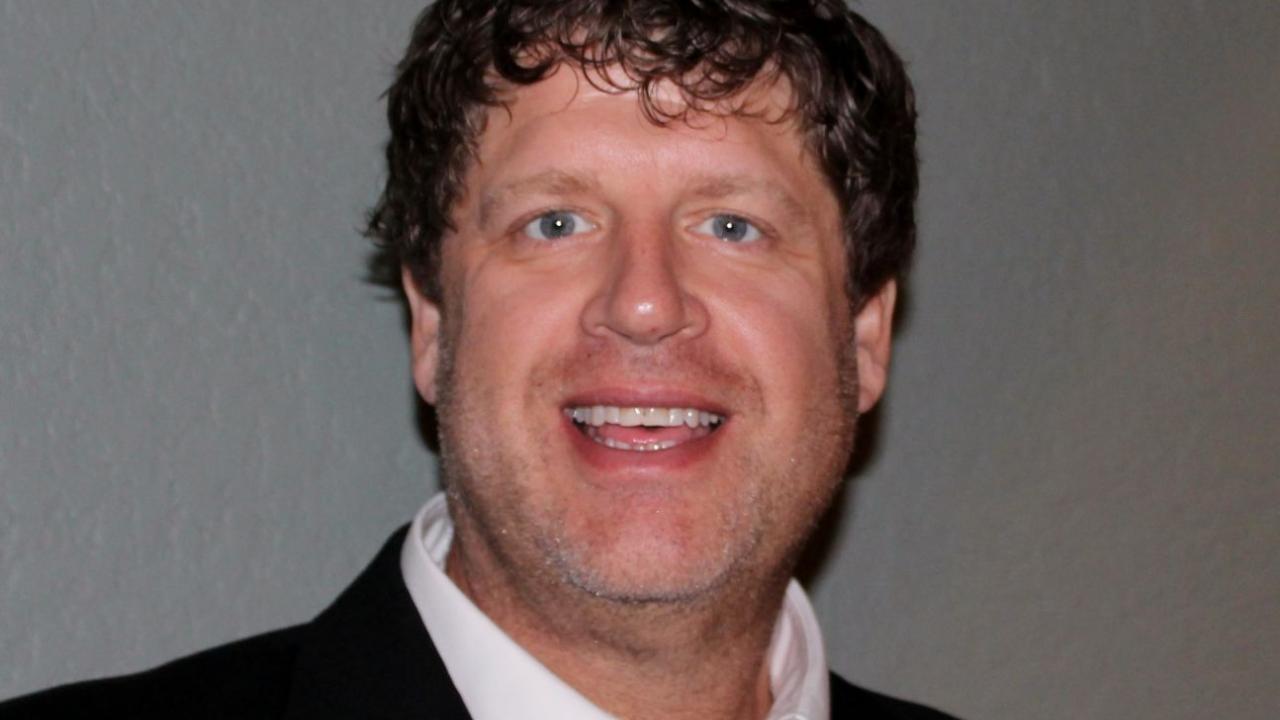
Practitioner Spotlight--Todd Gift
Antea Group highlights Todd Gift, its environmental remediation consultant based in Austin, TX.