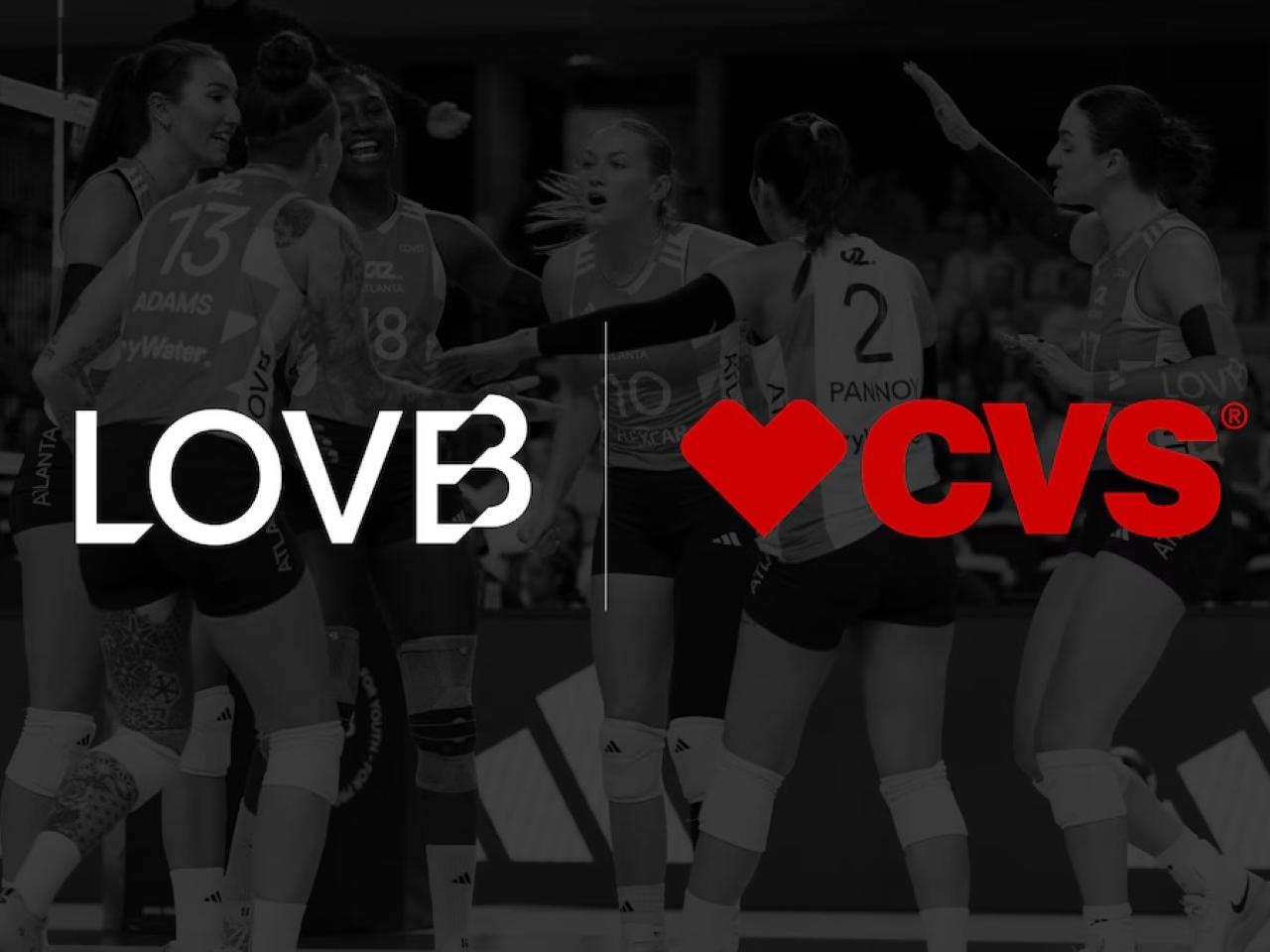
League One Volleyball (LOVB), the largest community in youth volleyball and the nation’s first youth-to-pro professional league, today announced CVS Pharmacy, the retail division of CVS Health, as an Official Health & Wellness Partner.
The fossil fuel divestiture campaign GoFossilFree equates the end of oil, gas and coal to the great moral crusades of our time — Apartheid and tobacco — while hoping to reduce demand for fossil fuel stocks and thereby threaten their stock prices.
Today we are celebrating World Facilities Management Day (World FM Day), dedicated to recognizing the men and women across the globe who take on the challenging responsibility of maintaining the safety, efficiency and usability of our workplaces.
“I don’t like my job.” That's how many employees may feel according to a Gallup survey that states less than one-third (31.5%) of U.S. workers were engaged in their jobs in 2014. Gallup defines engaged employees as those who are involved in, enthusiastic about and committed to their work and workplace. It’s easy to say that the average employee has felt apathy about his job at one time or another. Personally I don’t believe that I fall within the 68.5% of un-engaged workers. That would make me average – and I’m not. Frankly, your employees aren’t average either. What does “average” really mean anyway? Merriam-Webster states it is a ratio expressing the average performance especially of an athletic team or an athlete computed according to the number of opportunities for successful performan
Unleashing the Power of Innovation, Sustainability and Stewardship -- Welcome to an exciting new "GreenMoney" issue featuring five unique perspectives on the World of Energy Today and Tomorrow including the implications of Climate Change and Divesting from Fossil Fuels; the Structural (and Possibly Abrupt) Decline of Fossil Fuels; the Future of Energy in the Developing World; after the Paris Agreement, the Smart Bet is on a Clean Energy Future; and which US States are Leading the Transition to a Clean Energy Economy
Electric utilities are facing a need and opportunity to transform their business due to the bidirectional nature of distributed generation and energy storage. This is just one of several fundamental changes that the smart cities movement is driving to reshape how fundamental services are delivered and managed.
This year our Kimberly-Clark business in Russia celebrates its 20 year anniversary after opening their doors in 1996 in Moscow! They started with a small team of four people, and has since grown into a successful business with over 550 employees.
I recently attended the Aspen Institute Business & Society Leaders Forum June 5-8 in Aspen, Colorado. The Forum which meets multiple times a year is part of a policy program at the Aspen Institute designed to bring together business leaders to reflect and strategize on global issues, risks and opportunities at the intersection of business and society. The group’s primary focus is on sustainability.
Cascale shares updates on its strategic partnerships with industry stakeholders geared toward shifting the industry into one that gives back more than...
Cascale shares insights regarding policy and regulation impacting the consumer goods industry, and highlights how it's supporting members prepare for...
Our Prescription for a Better World framework is organized around three key pillars: building healthy communities (Health in Action), protecting the...
Our Prescription for a Better World framework is organized around three key pillars: building healthy communities (Health in Action), protecting the...
The SCS Kingfisher certification mark is showing up on an increasing number of products around the world. It differentiates companies that are making...
The business landscape is reorienting itself and you can almost hear priorities shifting toward change-readiness and the bigger picture. And in this...