Transportation

Corporate stories about Transportation across 3BL's network.

Latest in Transportation

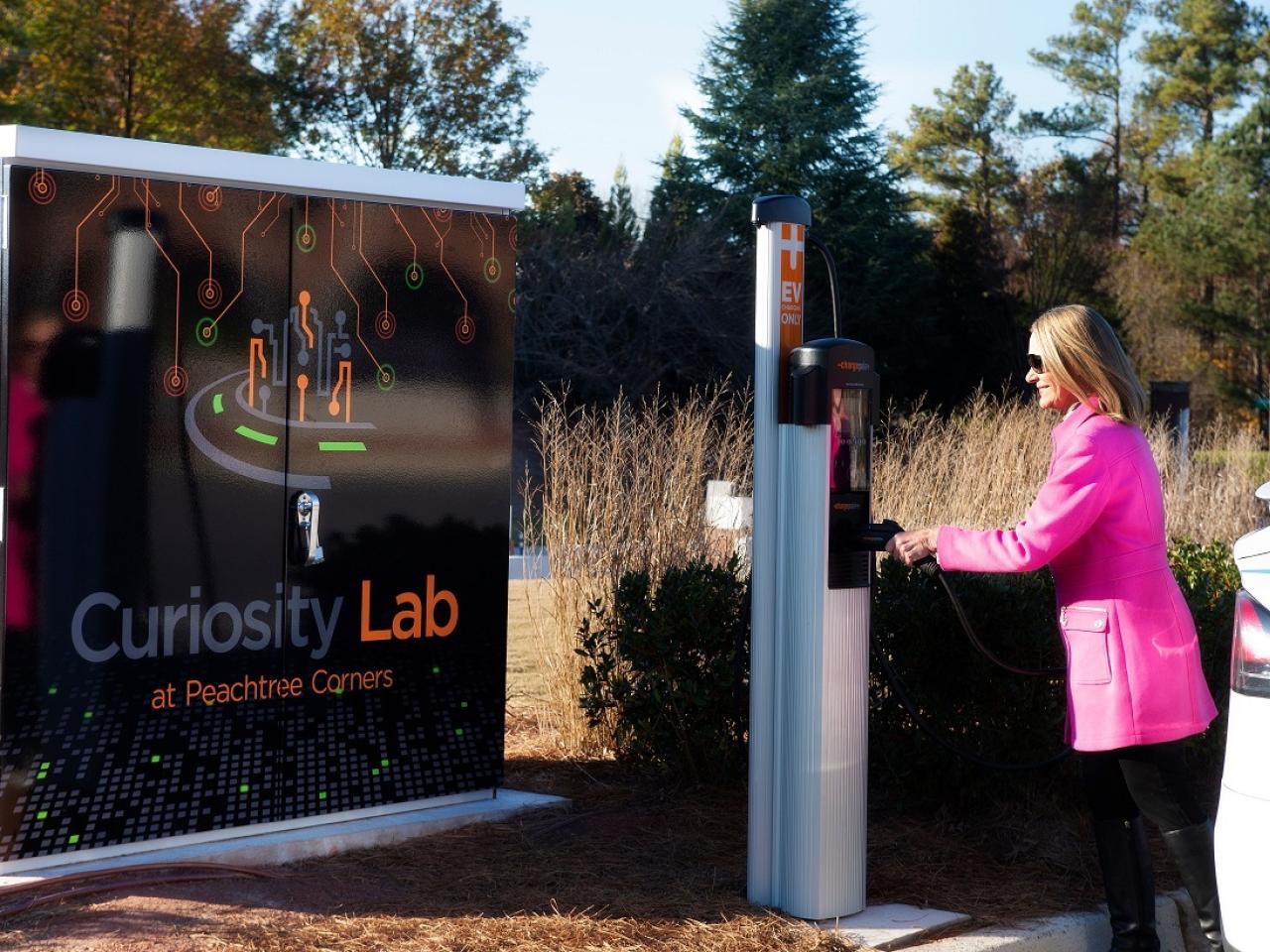
This 18-mile Stretch of Georgia Highway Is a Living Laboratory for Clean Energy
It’s not often that captains of industry have epiphanies about climate change. So it was remarkable when, after reading The Ecology of Commerce in 1994, carpet manufacturer Ray Anderson set out to clean up his petroleum-intensive operation and succeeded in cutting net carbon emissions by more than 80 percent.
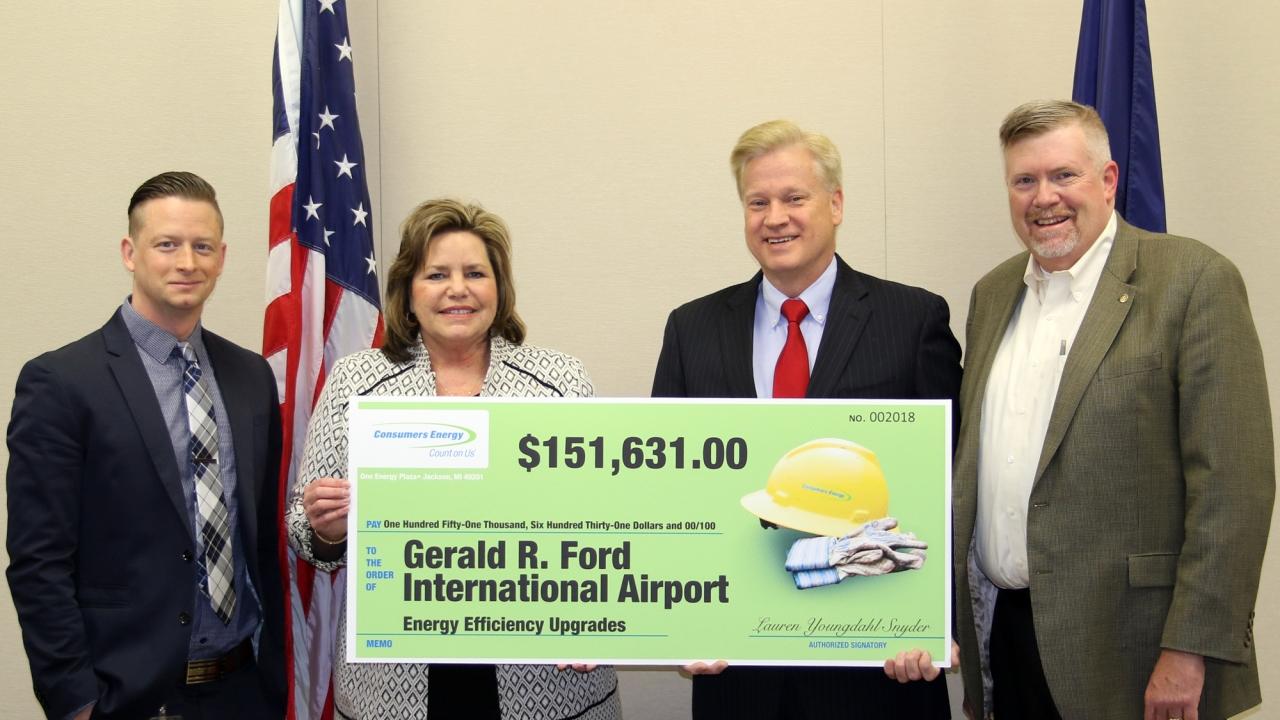
Consumers Energy Presents Energy Efficiency Incentive Check to Gerald R. Ford International Airport
The Gerald R. Ford International Airport is being recognized for having one of the best and most energy-efficient airports in the region. Consumers Energy presented a rebate check for $151,631 to the Gerald R. Ford International Airport (GFIA) today, as part of the company’s energy efficiency program which is saving the airport energy and money.
With Great Wolf Set to Open, Leaders Focus on Exit 13 Beautification
The City of LaGrange, GA is looking to make a good first impression on the 500,000 plus visitors who are expected to drive through the city on The Ray starting this spring.
More Efficient Freight Transportation Reduces Environmental Impact
Trucks filled with dense pulp and paper sometimes struggle with weight restrictions. Lighter personal care products often have the opposite problem, completely filling the trailer despite rules that allow more weight. Learn how Domtar's commitment to sustainability touches every corner of the business, including the open road.
Streets of the Future Could Take Automatic Tire Readings
Just imagine not having to rely on pre- or post-trip inspections for the condition of your tire tread or tire pressure.
Brightening Our Corner Newsletter - February 2018
This is the quarterly newsletter for the Ray C. Anderson Foundation, a private family foundation that seeks to promote a sustainable society by supporting and funding educational and project-based initiatives that advance knowledge and innovation in sustainability.
Are Smart Cities Real?
Is the smart city hype cycle over? Have concerns about cost, security and public skepticism finally won out over the benefits of efficiency, sustainability and public safety? It is fair to consider whether the futuristic visions of hyper- connectivity and advanced livability, enabled by accessibility to vast streams of data, can withstand the very real concerns that municipalities cannot afford the technologies behind smart city projects.
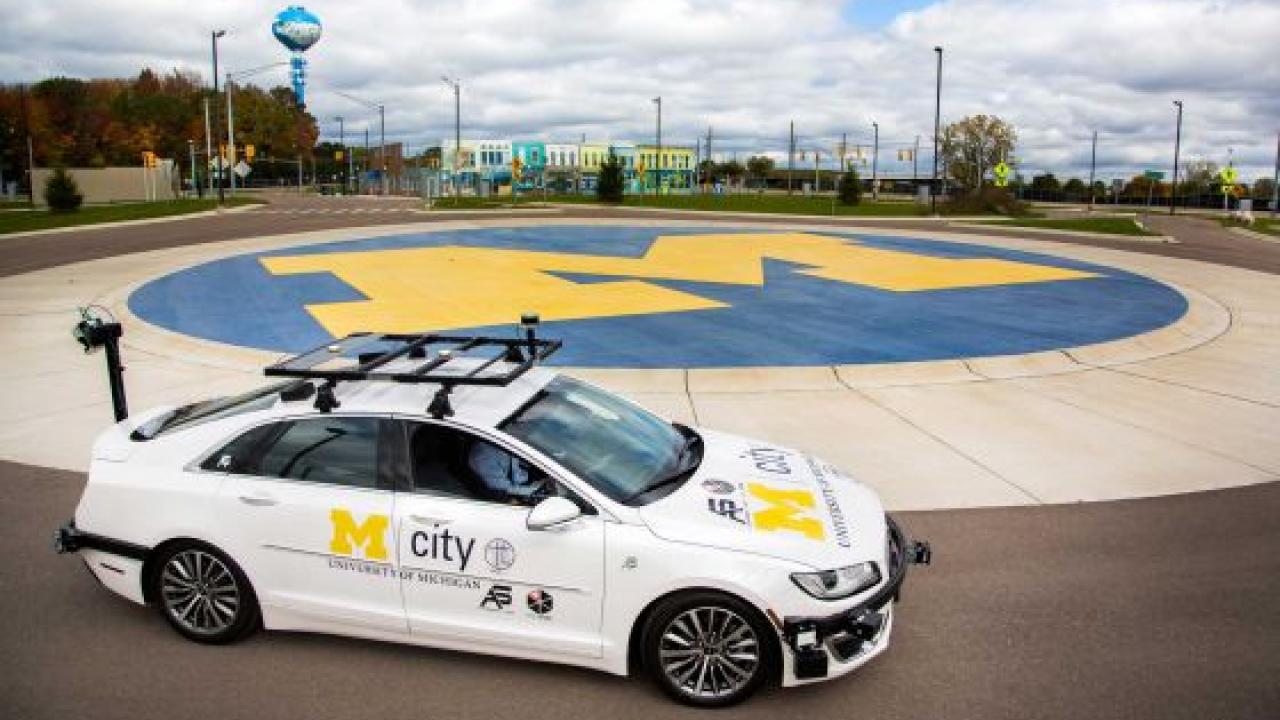
Erb Institute Student, Jim Gawron, Part of Research Team on Maximizing the Benefits of Autonomous Vehicles
ANN ARBOR—The added weight, electricity demand and aerodynamic drag of the sensors and computers used in autonomous vehicles are significant contributors to their lifetime energy use and greenhouse gas emissions, according to a new study.
50x50 Commission Lays Out Challenges, Opportunities In Reducing Transportation Energy Use
The 50x50 Commission, launched in October 2017, is chaired by Audi of America President Scott Keogh and National Grid U.S. President Dean Seavers, and includes Pittsburgh Mayor William Peduto (D) and Fort Worth, Texas, Mayor Betsy Price (R), along with leaders representing vehicle manufacturers, utilities, federal agencies, environmental and consumer groups, infrastructure providers and public transit. It is holding its next meeting in Washington, D.C., in March, and the Commission’s final report, a roadmap to cut energy use in half in the U.S. transportation sector by 2050 while meeting future mobility needs through federal, state and local policies, is due in September.
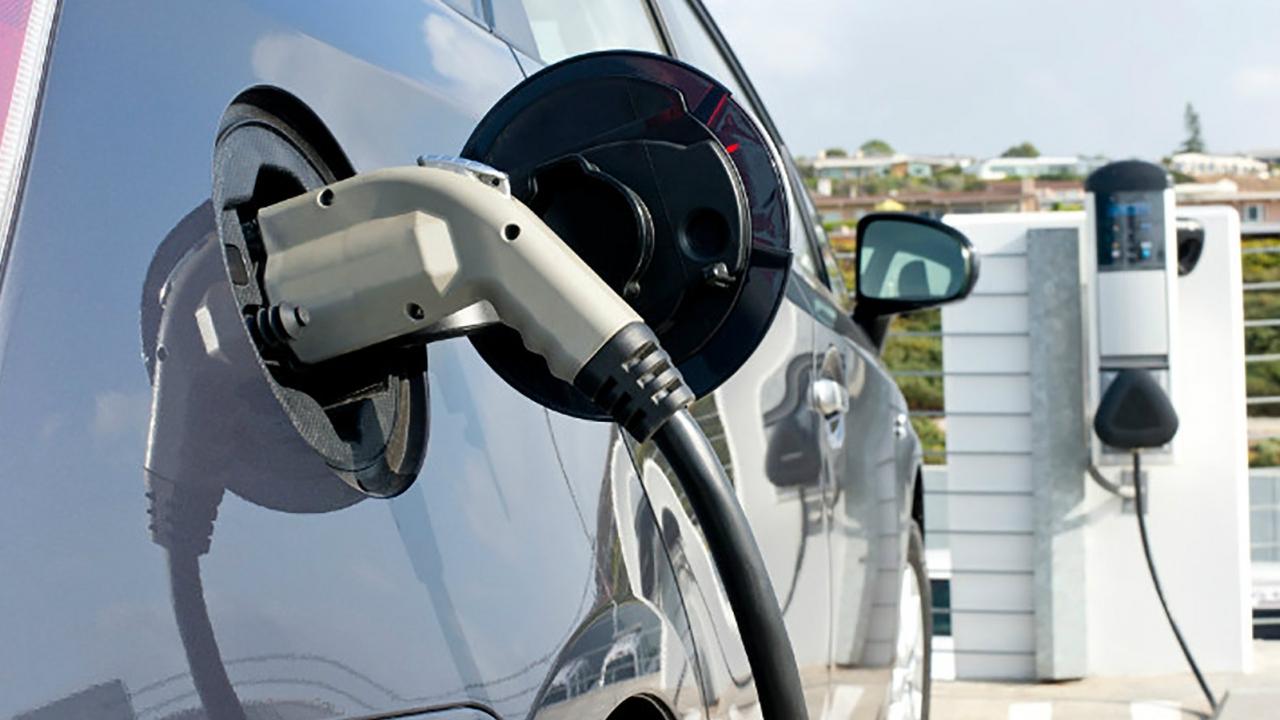
Electrification on the Rise: Can Electric Vehicle Charging Networks Keep Up?
Last year marked a monumental turning point for the future of electric vehicles (EVs), with several auto companies such as Volkswagen AG, General Motors and Volvo announcing significant electrification plans. Bolstered by improved battery technology, longer battery range, greater variety and lower prices, consumer confidence in EVs is at an all-time high. According to Forbes, light-duty EV sales in the United States rose 37 percent in 2016.

Utilities need to start thinking now about how they are going to scale up power infrastructure to meet the increased demand for commercial and personal vehicles. Although the benefits of electrification are undeniable, the move away from internal combustion engines is raising questions about energy management and grid stability.