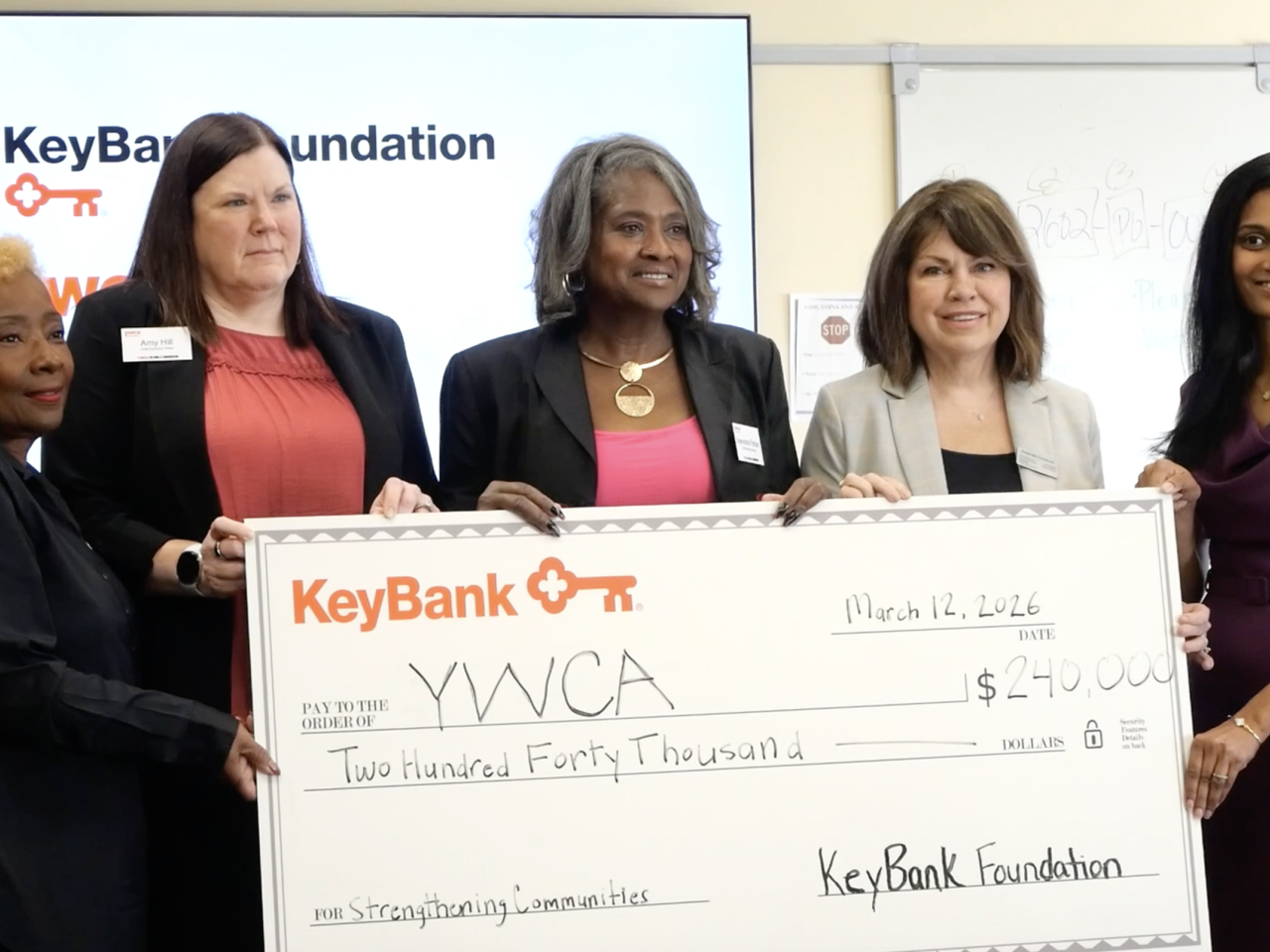
The KeyBank Foundation announced an investment of $240,000 in YWCA North Central Indiana’s Strengthening Communities Initiative, a comprehensive program designed to enhance the social and economic well-being of survivors of abuse.
At META Convened by BET, leading Black entrepreneurs, thought leaders, and cultural icons gathered in Los Angeles to discuss how they can work together to use technology to advance the Black community.
TD announced today that applications are open for the 2019 TD Ready Challenge, its annual North American initiative that has a total of 10 grants of $1 million (CDN) each, available to be awarded to ten future-forward organizations offering innovative solutions for a changing world.
Bridgestone Corporation today announced it has been included in the Euronext Vigeo World 120 index, a leading stock investment index focused on environmental, social, and governance (ESG) factors, for the first time in company history.
In honor of the 1969 Stonewall Uprising in Manhattan - considered the tipping point for the Gay Liberation Movement in the United States - each June Americans come together to celebrate LGBTQ Pride Month.
More than 100 change-makers from across the country came together in Washington, D.C. this month, for America’s Charities inaugural Collective Impact Conference, hosted by Hogan Lovells US LLP.
As Americans become more aware of the environmental and health benefits of organics, we are presented with an increasing number of opportunities to align our investments with our lifestyle choices – by investing in the companies and agricultural operations that are driving organic innovation and bringing natural products to the marketplace.
Advancing women and minority-owned small businesses and entrepreneurs around the world. Small to mid-sized businesses power their local economies and...
Cascale shares insights regarding policy and regulation impacting the consumer goods industry, and highlights how it's supporting members prepare for...