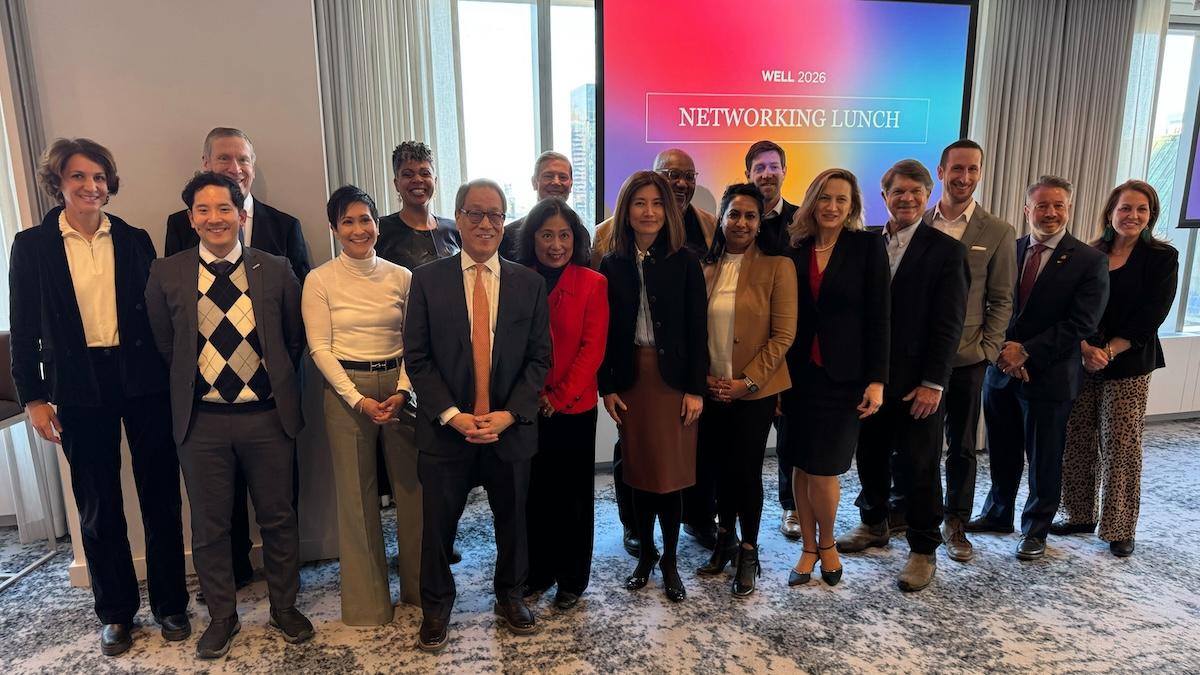
In an incredible moment of solidarity in the urgent work to advance healthy indoor air, 12 members of the the Global Commission on Healthy Indoor Air came together at International WELL Building Institute (IWBI)'s WELL Summit in New York yesterday to stand up and deliver a series of brief but powerful messages. Taken together, they formed a collective, compelling story, one that sharpened the call to action and underscored why this Commission has come together and is spending the year ahead developing the first-ever Global Framework for Action. Below are snippets of each Commissioner’s remarks.
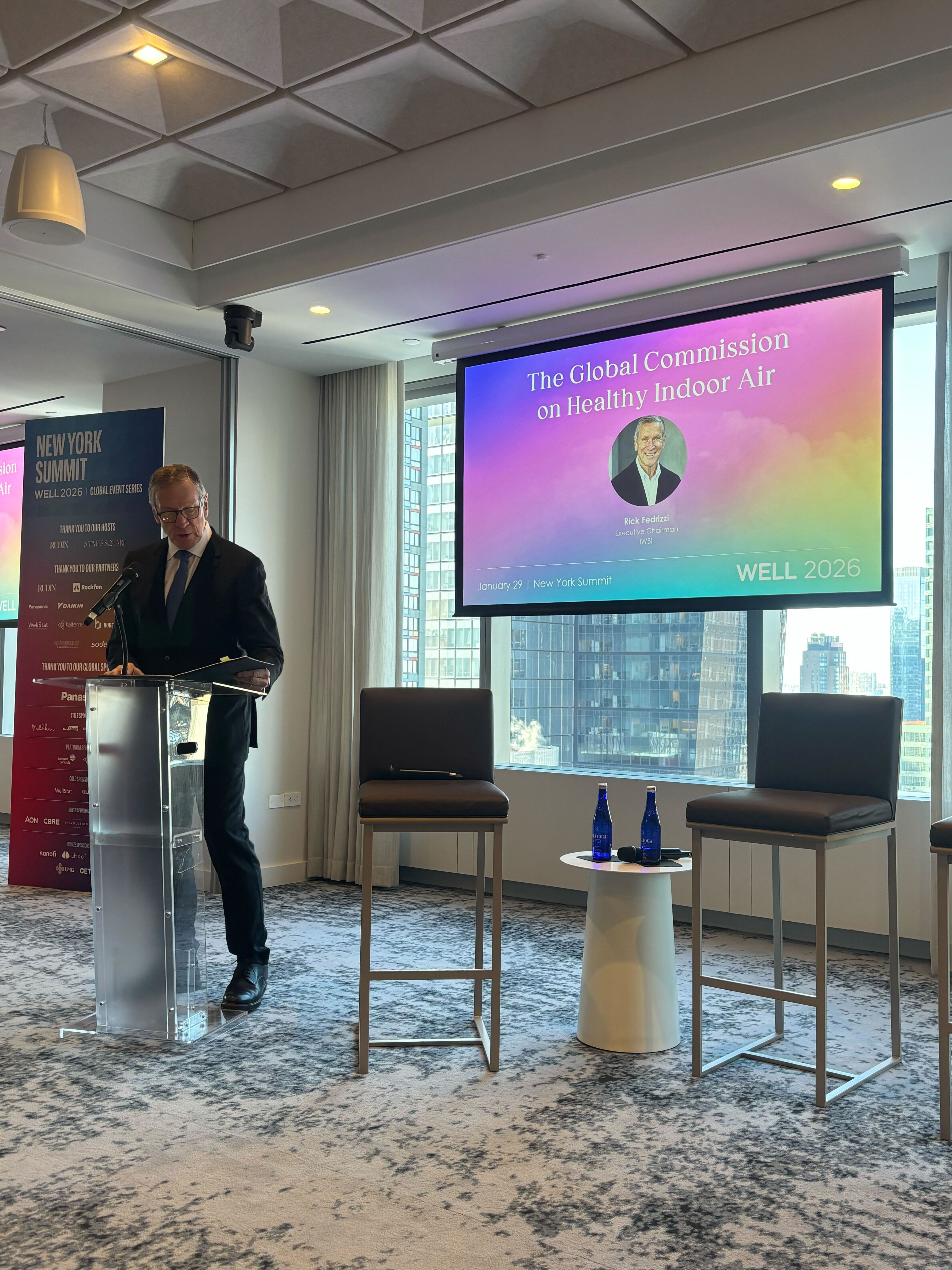
“By coming together, the Commission has become the world’s foremost alliance of global leaders working to advance healthy indoor air. We’ve locked arms – aligning our collective expertise, knowledge and influence – around a singular purpose: to meet the moment and address one of the greatest public health challenges of our time—ensuring that the air we breathe indoors is healthy and clean.”
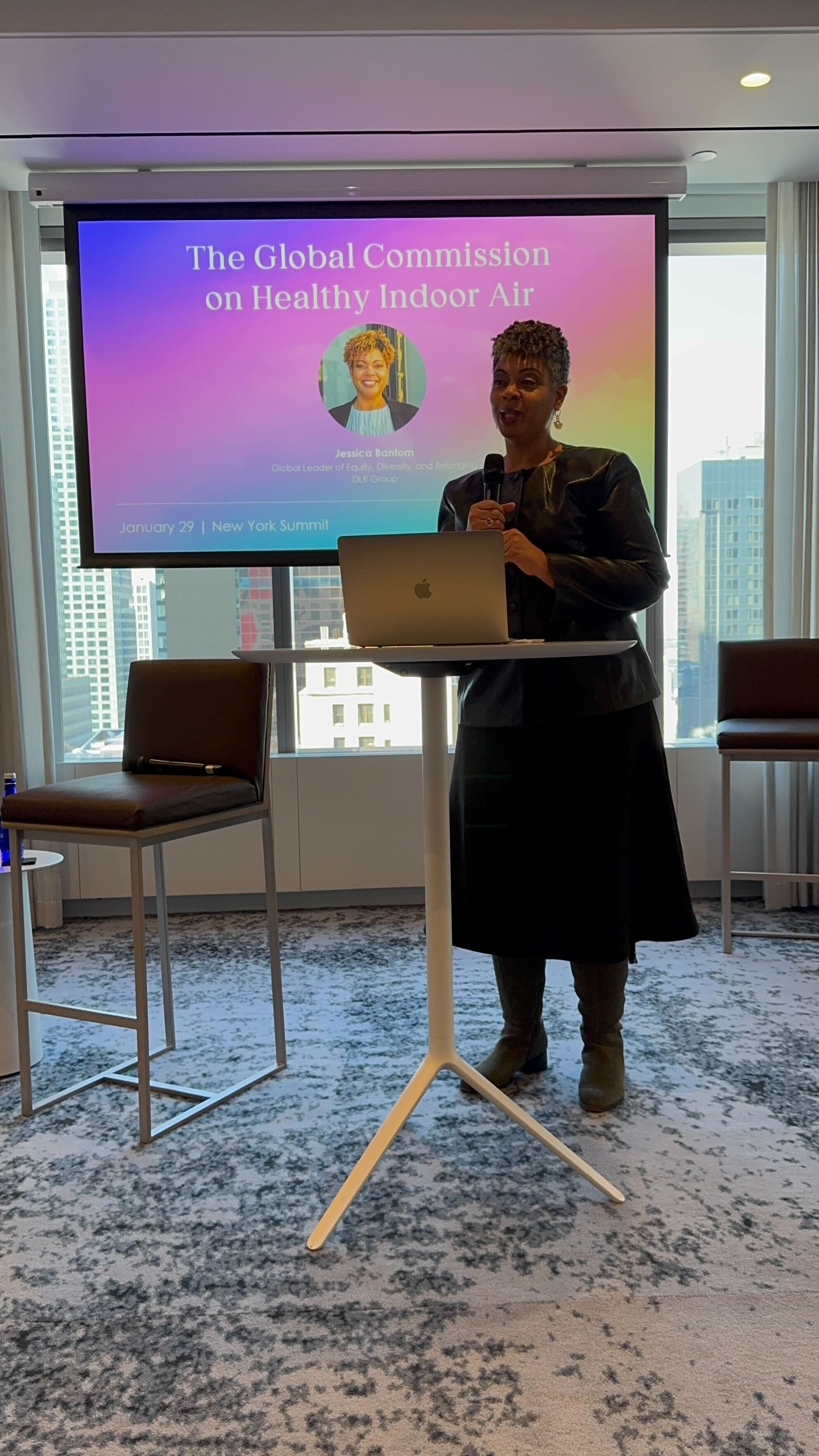
“Poor indoor air quality is not evenly shared. It hits children, older adults and people with respiratory or cardiovascular conditions the hardest, especially because they often spend more time indoors. And it compounds existing inequities, falling disproportionately on low-income and vulnerable communities already overburdened by environmental risk. That is why equity can’t be an “add-on.” For us, it will be core.”
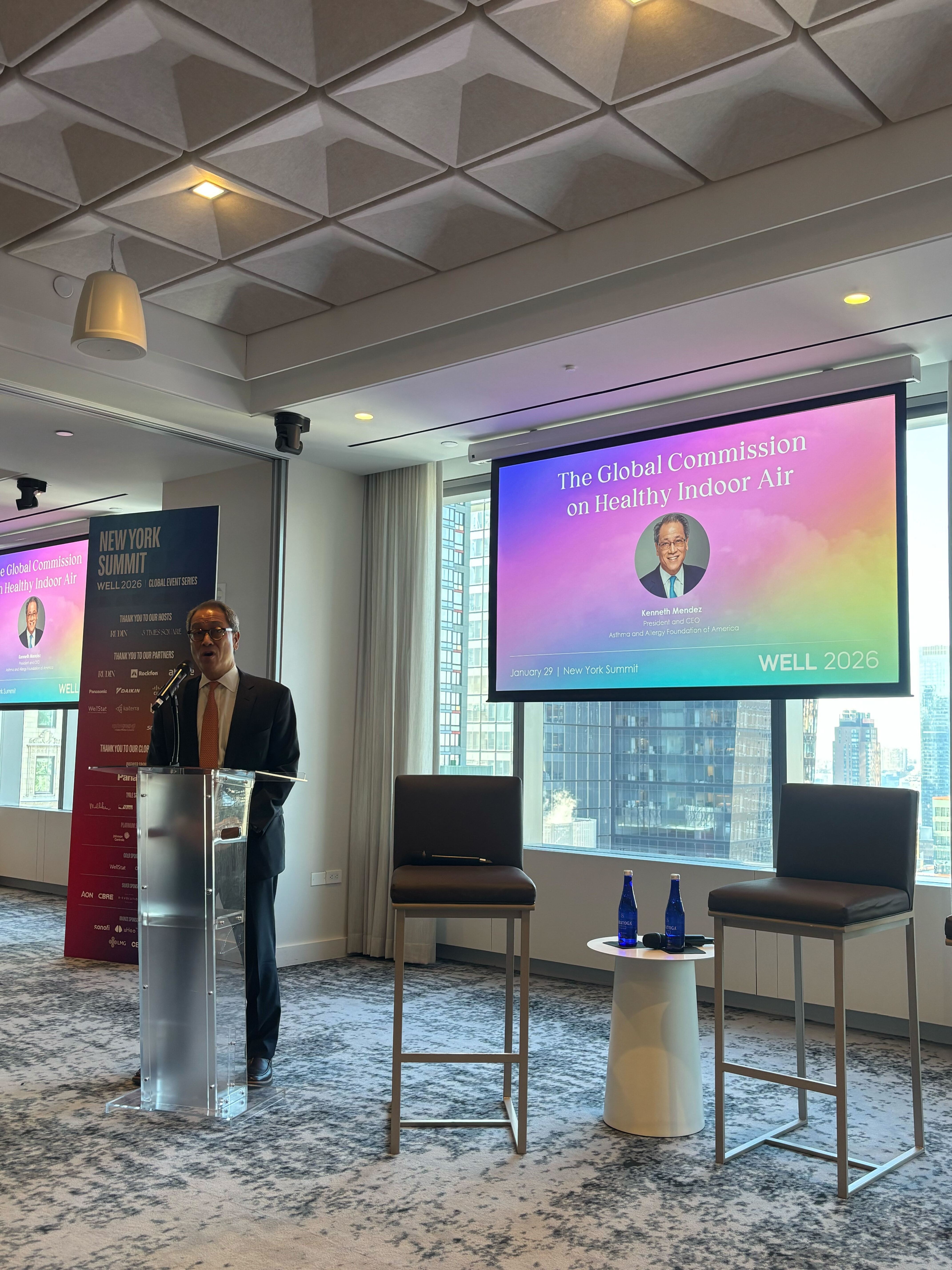
“For families living with asthma and allergies, the quality of indoor air can be a daily hazard. That’s not rhetoric; that’s reality…So as Commissioners, we’re here to shift the story: schools should not be trigger zones. They should be sanctuaries for learning that enhance health and well-being. That means tackling ventilation, filtration and pairing solutions with clear guidance so districts aren’t left guessing”
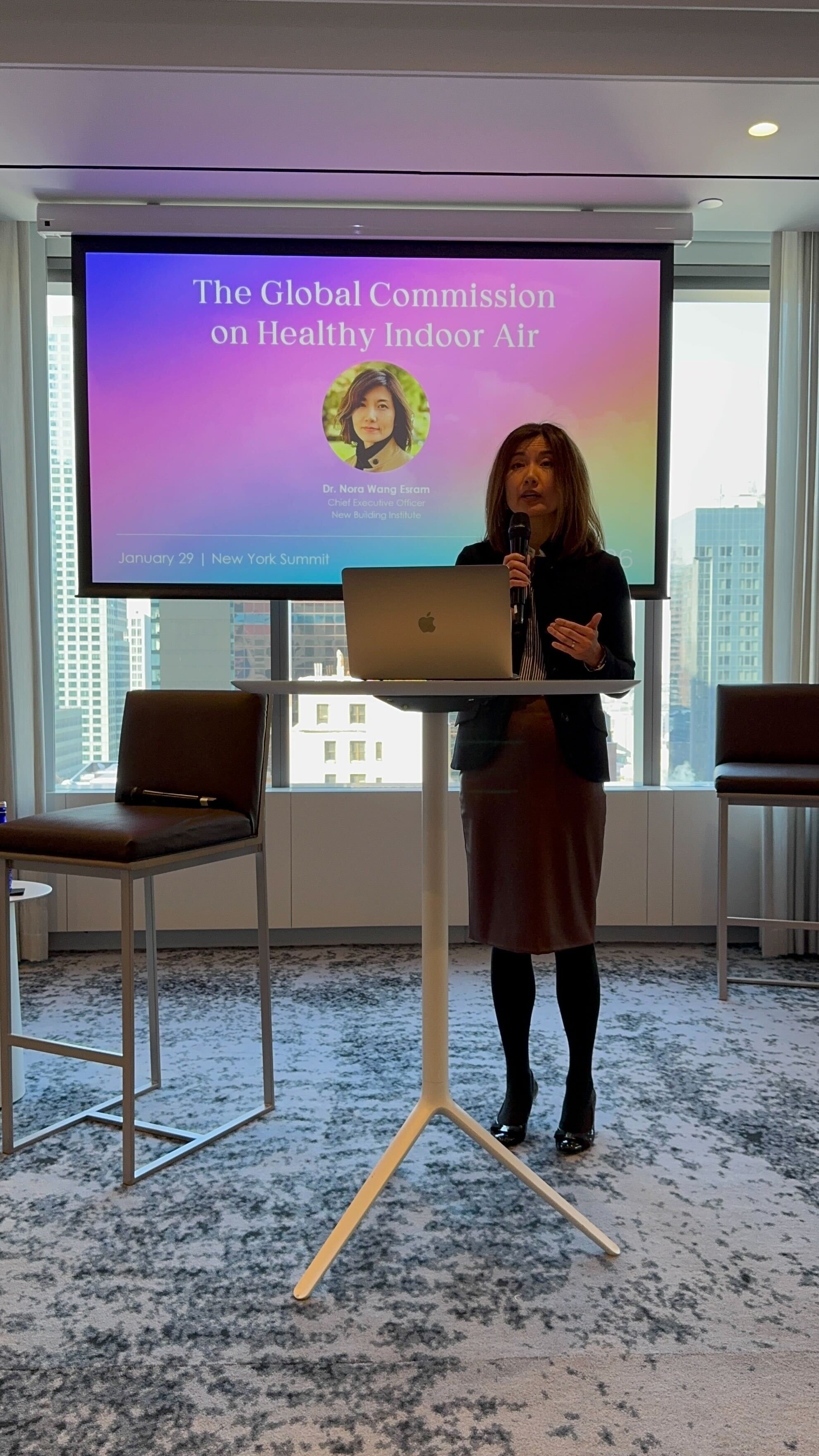
“As we embark on this work, we know we don’t need to choose between climate goals and health…We will carry forward the truth that our buildings can advance planetary health and human health side-by-side. That’s not aspirational, these strategies are already being deployed today by leading building owners, designers and operators. As I often say, healthy indoor air is not the opposite of high performance, it’s the proof of it.”
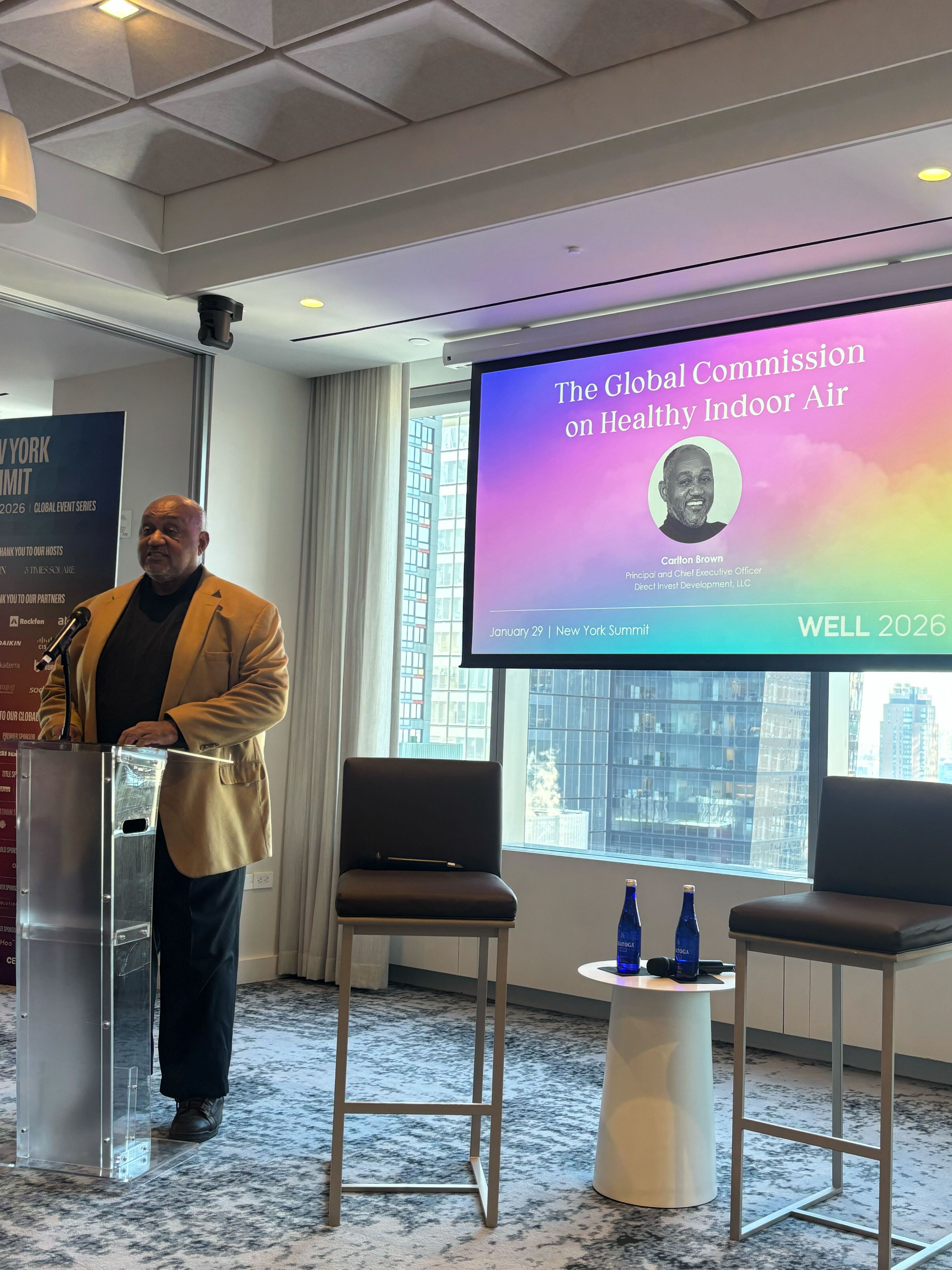
“Consider this: we would never accept a glass of dirty water. Yet for decades, we’ve accepted air that undermines health, learning and productivity—simply because it’s harder to see. But now we know and we’re organized. Through the Commission, we’re coalescing around what comes next and aligning around ways to scale change that can accelerate solutions to ensure healthy indoor air. Our job is to help move healthy indoor air from an aspiration to an expectation; from optional to non-negotiable.”
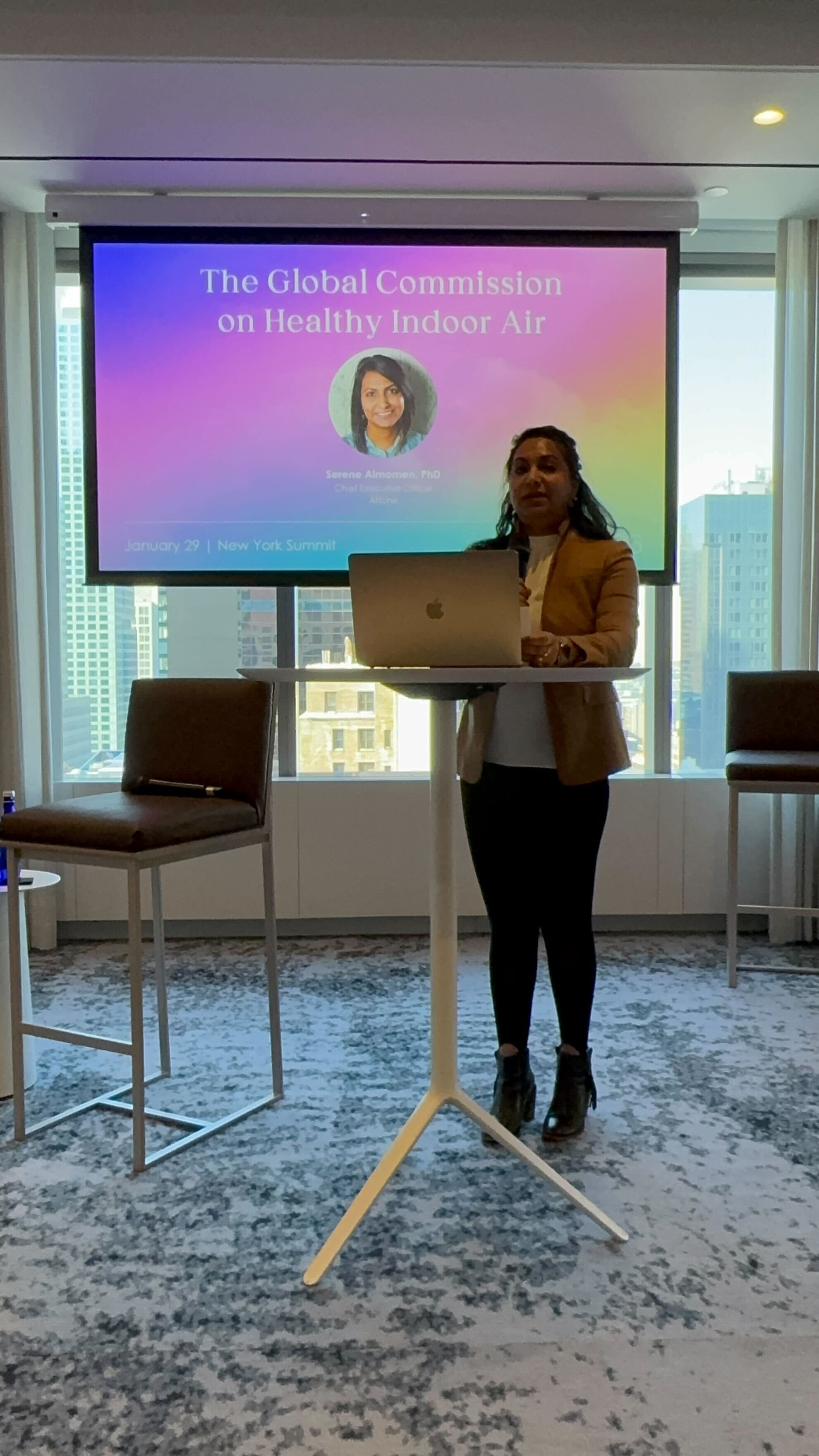
“The good news is that the technology is here. We have the tools. We can measure. We can monitor. We can do this right now. The biggest question is: how do we do it smarter and faster. Having the solutions doesn’t make progress a given. Better outcomes must be paired with a plan. And that’s why this Commission matters: to build the connective tissue between science, solutions and scale. By doing that, we can fulfil the promise of healthy indoor air.”
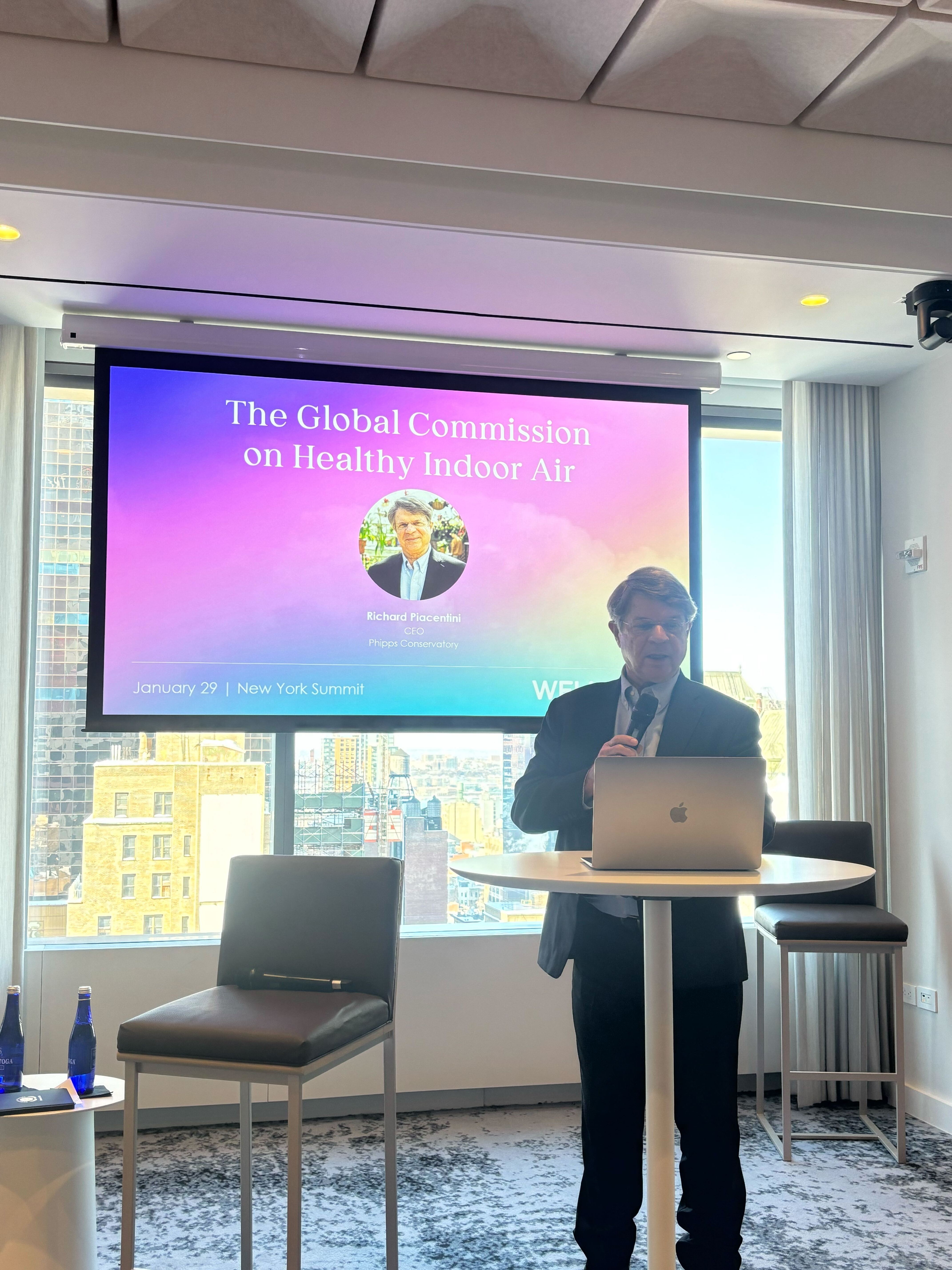
“As someone who has spent a career at the intersection of sustainability, health and nature, I’ll offer this: the healthiest buildings are the ones that feel right, because they are tuned to the human experience, supporting healthy indoor air and connecting us with the living world. Nature-inspired strategies can reinforce the conditions that support healthier indoor air, such as better airflow, stronger moisture control and spaces that foster comfort, stewardship and performance.”
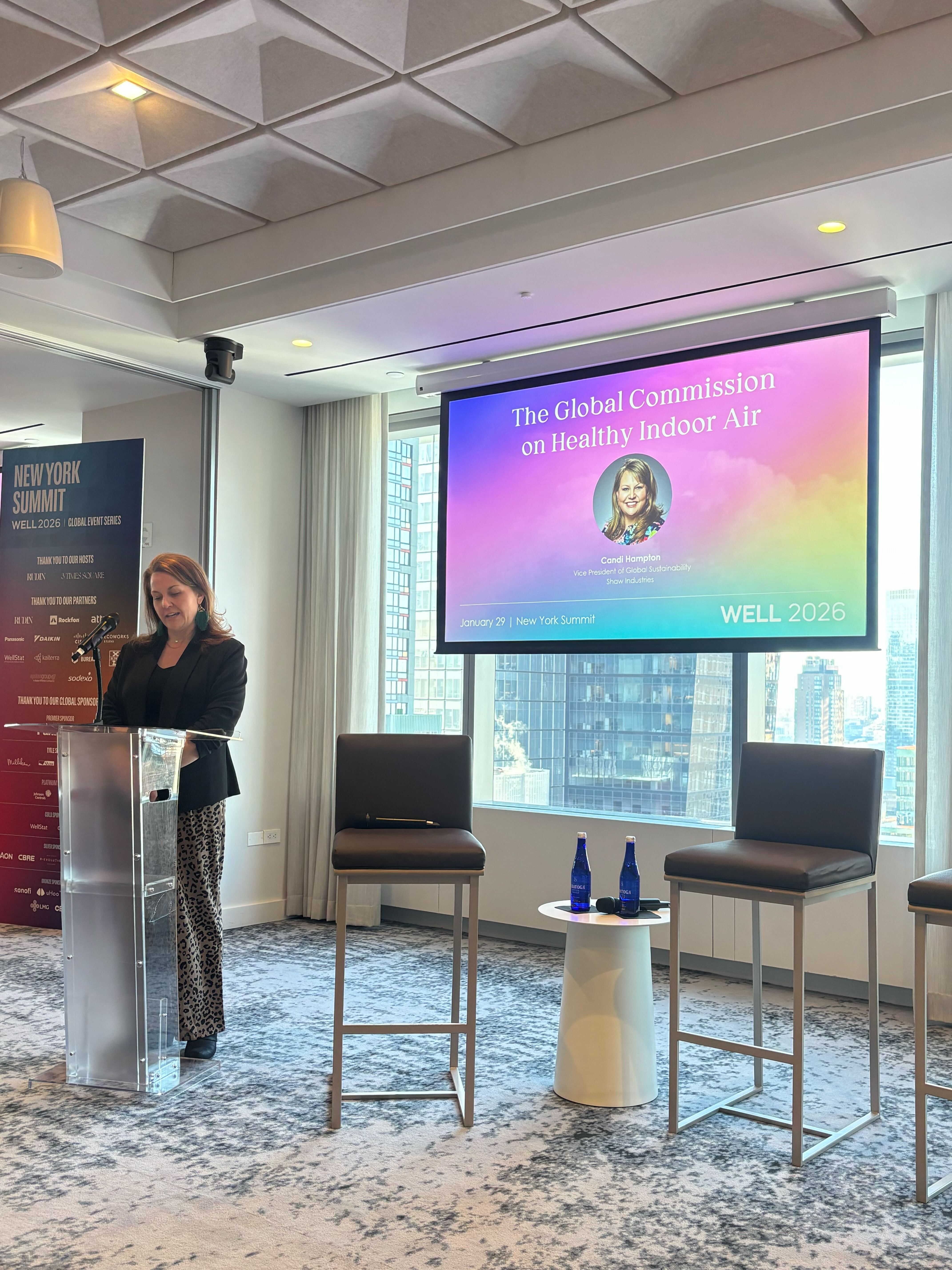
“As Commissioners we’re not only focused on the air itself, but also the choices that influence how clean it stays, starting with materials. Material health is a direct lever for healthier indoor environments, because contributors to poor indoor air quality often begin at the source, from products, finishes or furnishings. Thus, the material choices we make have a significant impact on the air we’re breathing inside our buildings.”
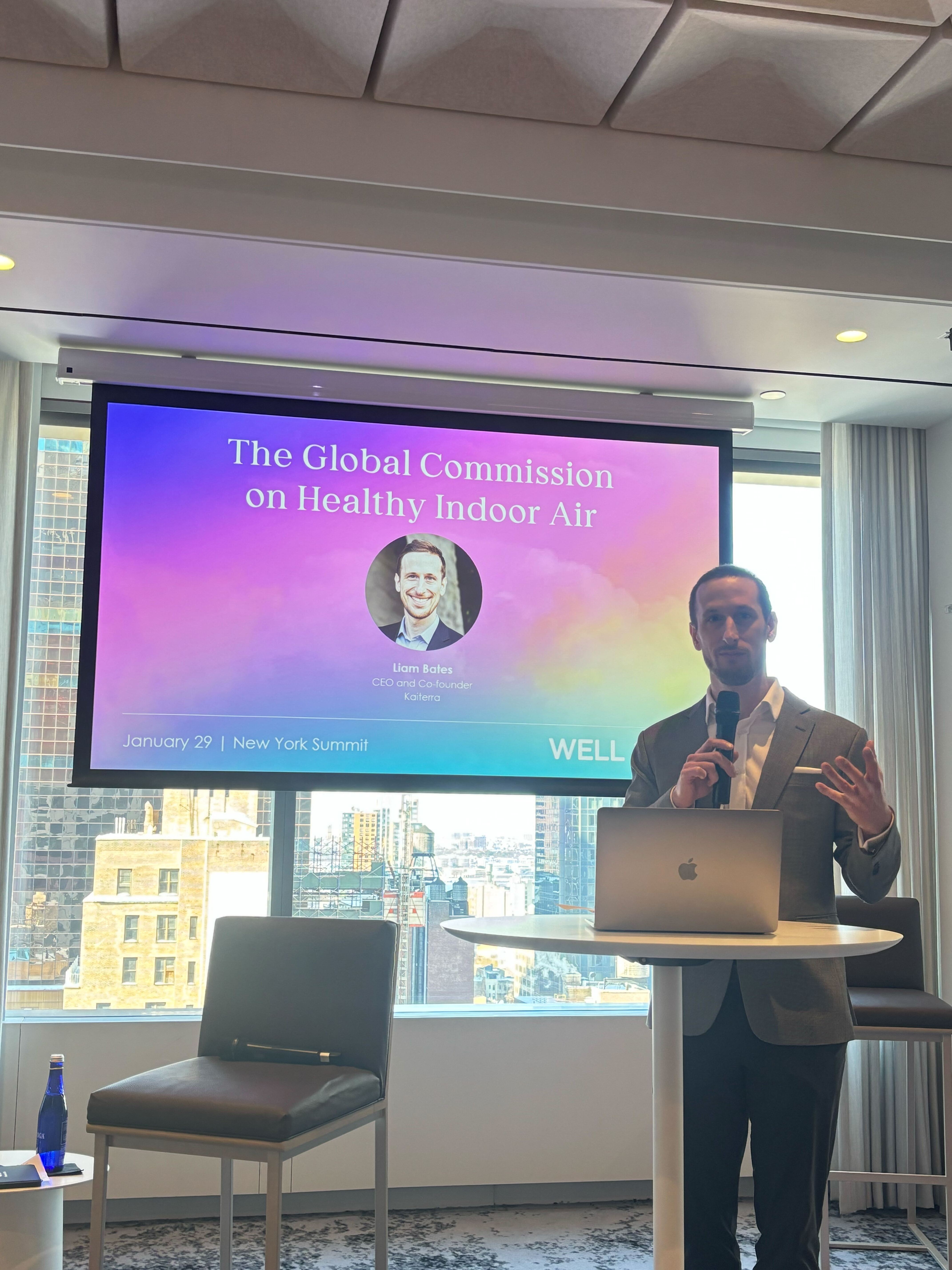
”To change what happens indoors, we have to change what we can see. That’s why sensing and controls can be a turning point: they make the invisible visible and transform indoor air from a vague concern into measurable performance…As Commissioners, we’re translating evidence like this to shape future policy approaches that help decision-makers act…When performance becomes visible, improvement will become more and more routine. When that happens, healthy indoor air stops being exceptional. It becomes ubiquitous.
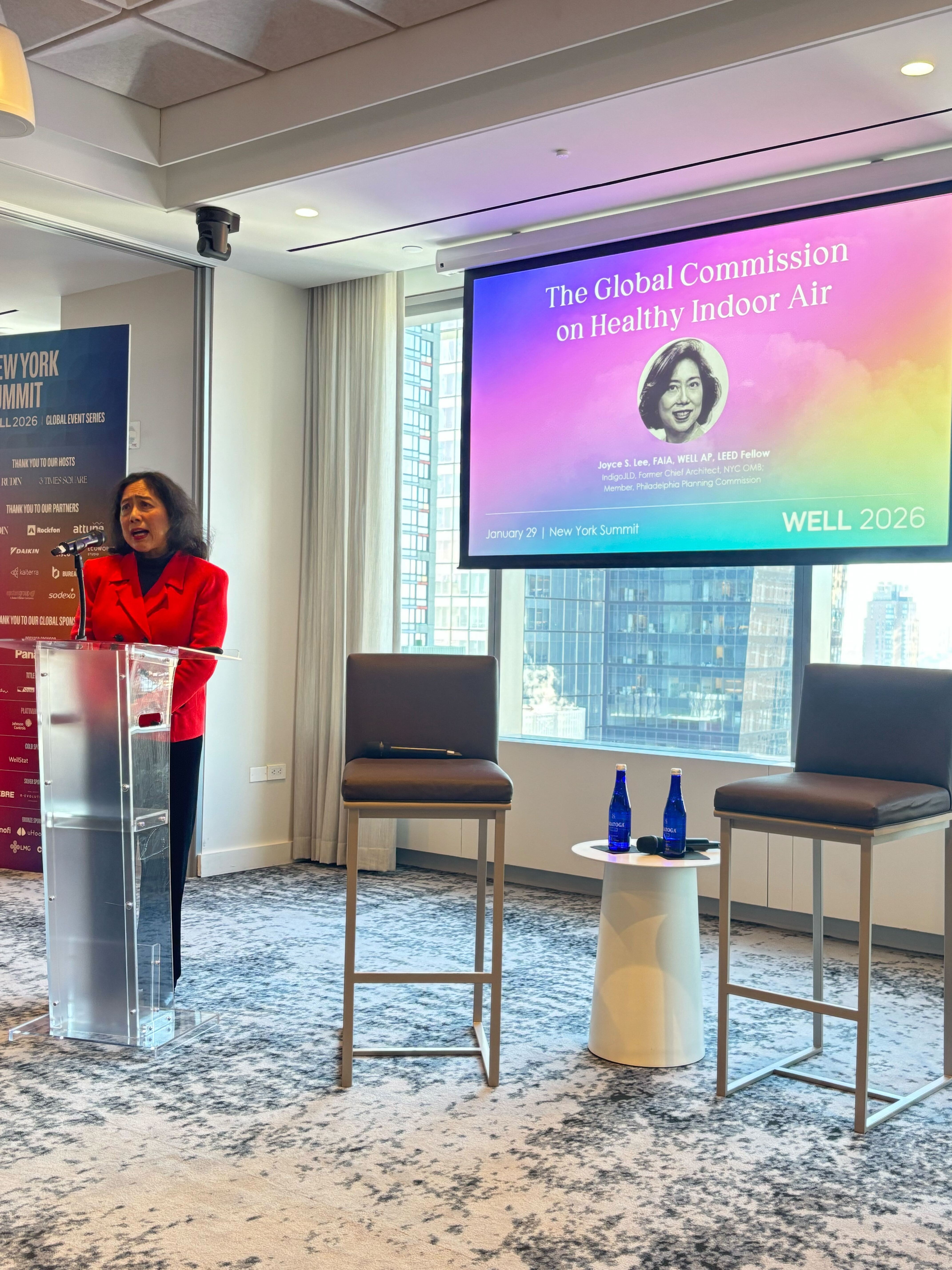
“Everything we do together makes a difference. It creates the steady drumbeat that makes this issue impossible to ignore. Indeed, the Commission itself is a message to the world: we are here, we are organized and we will not stop showing up until healthy indoor air is given the attention, and the action, it deserves.”
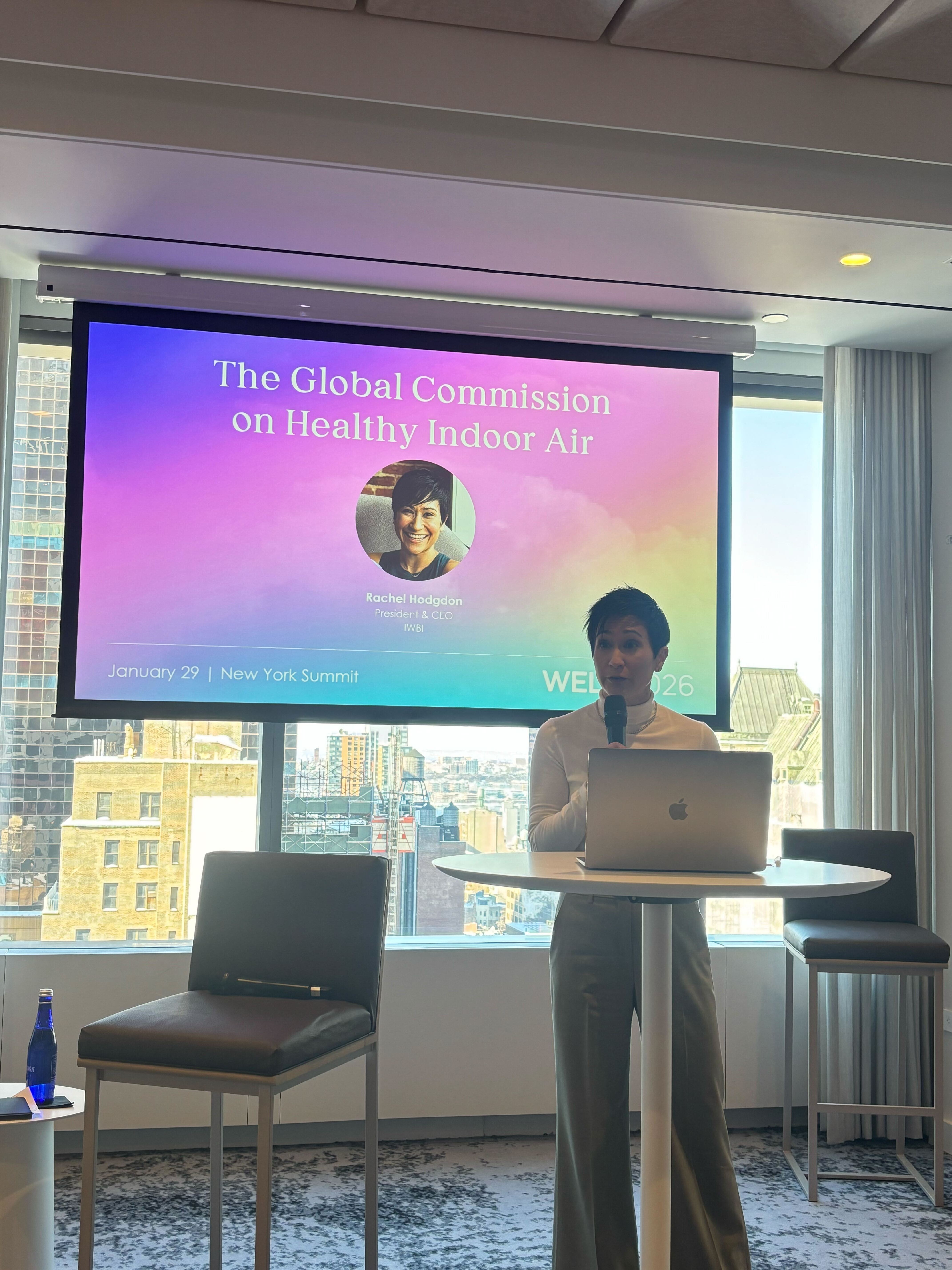
“As you can see, the next chapter for us is execution. As Commissioners, we’re already at work: convening, listening, aligning…From all the speakers you heard from today, it’s clear that everything about this effort is built on collaboration and powered by partnership. Because this work only succeeds if we move forward together. So, just as we did at the launch, I’ll do again here and issue a call to join us—as partners, technical leaders or advocates. If you belong in this work, reach out to engage with us and be part of the change.”
This piece was originally featured on LinkedIn.