Nicole Alfonsin and Sha Chen
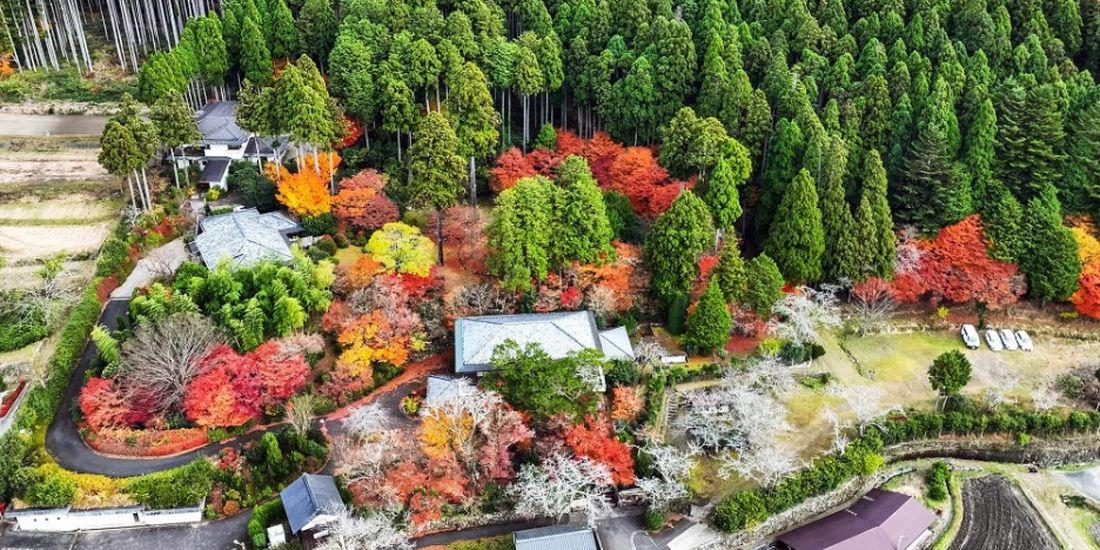
A truly healthy environment nurtures both human body and mind. The WELL Building Standard and the pilot WELL Community Standard help define connection to nature and place as fundamental to human well-being. Translating these principles into lived experience invites innovative approaches. When interpreted with greater thoughtfulness and cultural and ecological sensitivity, they can take on a far deeper meaning. The Japanese philosophy of Satoyama offers one such lens.
Satoyama: A biophilic philosophy of coexistence with Nature
In Japanese, Satoyama (里山) refers to the semi-natural landscapes found between mountain foothills and flatlands, where natural elements such as rice paddies, forests and villages form a continuous, sustainable cycle linking people and land. More than a physical setting, it represents a philosophy of coexistence—one in which human activity and natural systems support one another in balance. Drawing inspiration from this timeless approach, the Ohara Sanso (大原山荘, literally “Ohara Mountain Villa”) seeks to deepen the spirit of Satoyama within a contemporary context.
Nestled in the Ohara region, an hour from Kyoto’s bustling city center—home to renowned temples in Japan such as Sanzen-in and Jakkō-in—the area has long been a place where culture and nature are deeply intertwined. Set within a small basin community of roughly 2,000 residents, the landscape reflects the traditional Satoyama harmony between people and the environment. Inspired by this sweeping natural setting, Toho Leo, a Japanese sustainable place-making collective, set to reimagine the site of roughly 10,000 kilometers in Ohara, encompassing a historic guest pavilion, a teahouse and an expansive landscape.
One critical challenge Ohara faces is the population aging and decline in Japan. The key to reimagining and revitalizing the Ohara area is to restore its lost foot traffic. The guest pavilion, once used as a reception villa for VIP guests, gradually fell into disuse, and Ohara’s vast, beautiful landscape became largely unknown to today’s visitors.
Driven by its mission to enrich lifestyles through nature- and culture-based real estate development and placemaking, Toho Leo recognized the overlooked potential of Ohara as an opportunity to help restore the human connection to nature within a rich and authentic cultural context.
Toho Leo believes that while wellness experiences are increasingly sought after by sophisticated visitors, many places face challenges to deliver meaningful experiences. Too often, nature and culture are presented superficially, lacking the depth and authenticity needed to create meaningful, lasting connections. Recognizing the strong potential of Ohara, Toho Leo seeks to reimagine the area as a truly distinctive wellness experience—one rooted not only in nature, but also in cultural memory and local identity.
Project Vision: Reimagining Wellness Through Satoyama
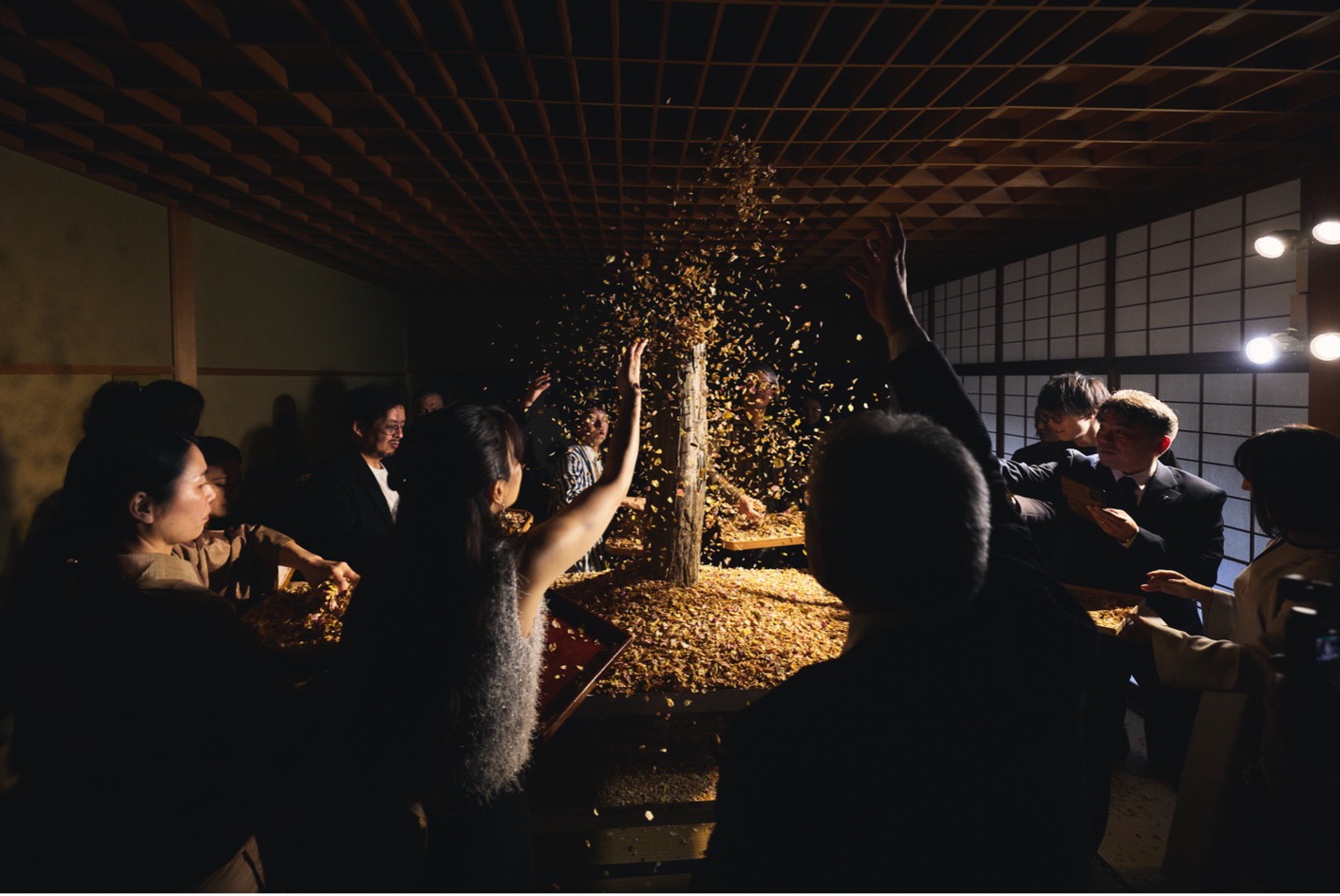
Ohara Sanso is being repurposed as a flagship venue showcasing Toho Leo’s Satoyama philosophy, offering an authentic Japanese Satoyama experience for the most sophisticated and discerning visitors. Through a diverse range of art and cultural events and sensory-rich wellness experiences, the project aims to rekindle and deepen the connection between people and the natural world.
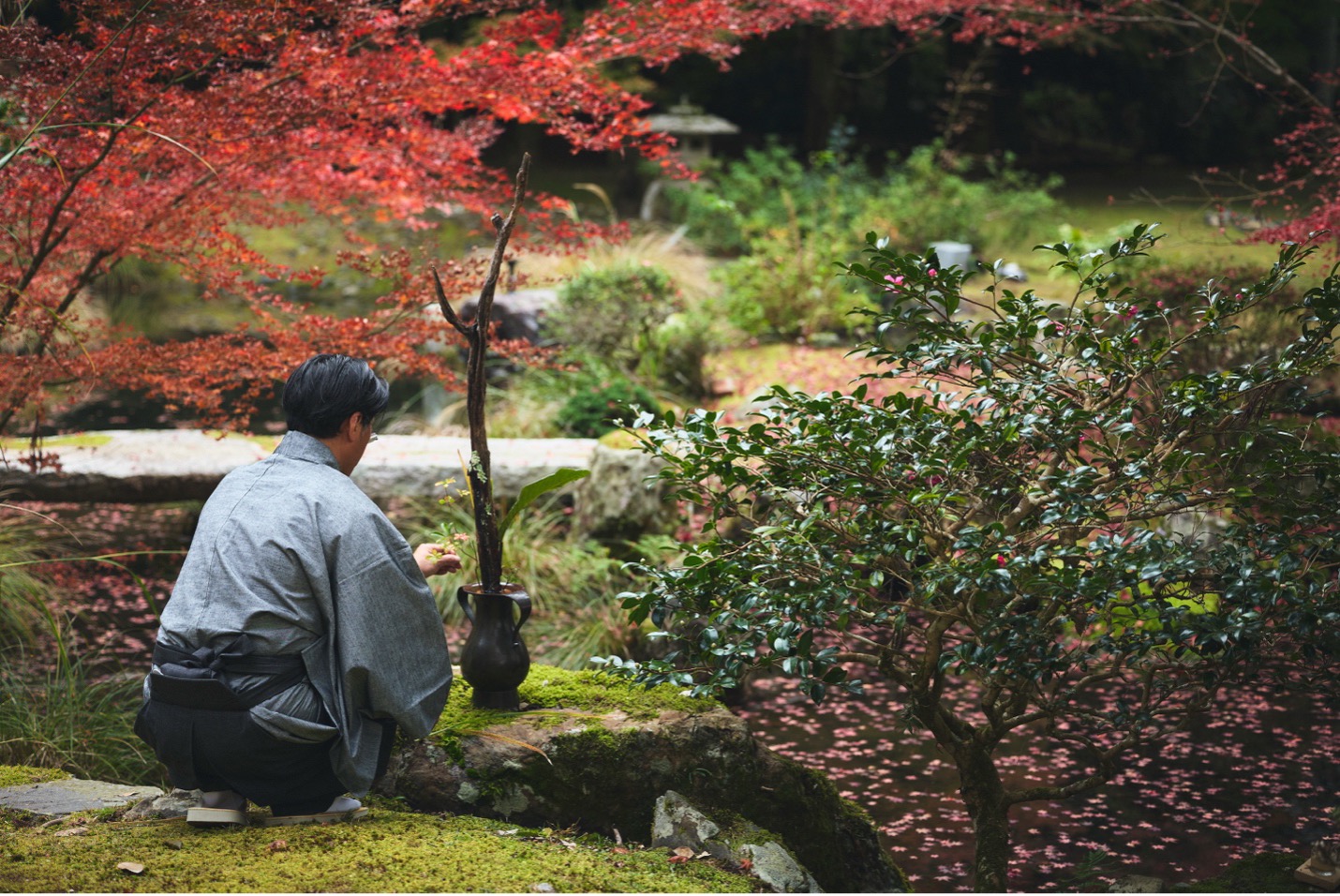
To bring this vision to life, a carefully curated set of experiences is taking shape across the site. Visitors are invited to walk barefoot across a carpet of moss—renowned in Kyoto for its lush, velvety surface—which fosters a direct, bodily connection with nature. Mountain water is reintroduced into a rice paddy beside the teahouse, where guests can sit along the engawa (縁側—the traditional wooden veranda that mediates between interior and garden), enjoy tea and take in the changing light at sunset. Different genres of art and music experiences are woven into the landscape, creating unexpected harmonies and sparking moments of inspiration.
Equally important to realizing this vision is the process itself. Deeply rooted in the context of Ohara, every decision—whether concerning design, programming or operations—is made through close dialogue with local residents, ensuring that all interventions remain authentic while respecting local culture. The future of Ohara Sanso will have a meaningful impact on the community, and residents’ voices are heard, consensus is prioritized and the project is shaped with them—co-creating a shared vision for the future.
Beyond Connection: Toward a Reciprocal Relationship with Nature
Connection to nature is sometimes understood simply as access to greenery or scenic views. Yet wherever nature exists, there is also a relationship between people and their environment, and when time is added to this equation, that relationship becomes inseparable from local history and identity. The Satoyama philosophy encompasses all of these layers.
Today, as many rural areas in Japan face population decline and fading cultural continuity, the Ohara Sanso restoration explores the possibility of redefining our “connection to nature” as a reciprocal, place-based relationship that offers a potential model for regeneration, rather than extraction.
View original content here.