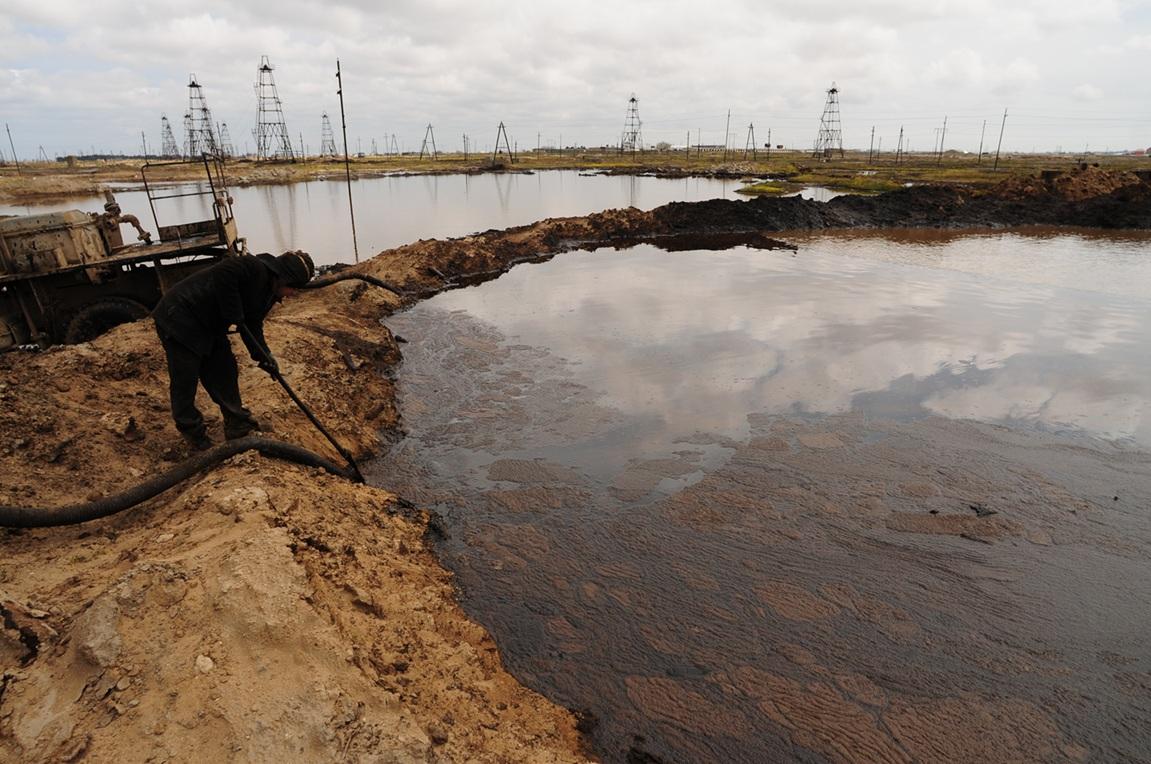
In our recent live panel discussion, “Contain, Control, Close: Practical Spill Strategies for Oil Fields,” a panel of industry experts, Seth Kagan, Vice President and Head of Environmental Claims at Aspen Insurance; David Grounds, HSE and Regulatory Leader with over 22 years of oil and gas experience; and Troy Bernal, Senior Consultant and Spill Response Subject Matter Expert at Antea Group USA, explored practical strategies for managing oil field spills from initial containment through site closure.
Together, these experts shared actionable insights to help operators strengthen spill response and remediation programs, whether managing a produced water release or broader oil field incident. Below is a recap of the discussion.
Missed the live panel?
Quick & Coordinated Spill Response
Report early. Engage early. The first call after stabilizing immediate hazards should be to your broker and carrier. Fast notification opens the claim, aligns expectations, and unlocks resources.
Know your coverage before you need it. Site pollution, contractor’s pollution, General Liability (GL) with environmental extensions, storage tank, pipeline—coverage varies. Your broker can quickly confirm policies and contacts.
Use the 24/7 emergency response hotline. Most environmental policies include one. It can:
- Route you to vetted emergency responders and consultants
- Help manage media and public communications
- Clarify policy emergency response periods (often 3, 7, or 14 days) so spend is eligible
Avoid “whoever shows up.” Predatory pricing and mis-scoped work are common in emergencies. Your carrier can point you to pre-approved local contractors with reasonable, pre-negotiated rates.
Institutionalize readiness
- Keep both an electronic and a physical contact cheat sheet (brokers, carrier hotline, pre-approved vendors, disposal facilities, labs, regulatory duty lines).
- Pre-endorse preferred vendors on your policy where possible (via underwriting).
- Set a pre-notify threshold (e.g., “information-only” notice at $100K) to build transparency and trust with insurers.
Key takeaway: Early, documented contact with your broker + carrier + vetted responders prevents missteps, protects coverage, and accelerates closure.
Field Response: Real-Time Actions & Challenges
Safety first. Do not put personnel at risk. Validate safe entry, control ignition sources, and activate your Incident Command System (ICS).
1. Stop, contain, and recover—fast.
- Stop the source (isolate valves, shut systems, depressurize as needed).
- Contain on-pad and beyond (booms, berms, tertiary earthwork if warranted).
- Recover free liquids quickly (vac trucks, hydrovacs, water trucks). Minutes and hours matter; delayed recovery drives depth of impact and cost.
2. Mobilize smart equipment and support.
- For off-pad flow, bring in backhoes/dozers to cut trenches/berms.
- Stage appropriate trucks and temporary storage.
- Coordinate utility locations/One-Call before excavation.
3. Notify in parallel.
- Internal leadership, HSE/Regulatory, landowners as needed.
- External agencies per impact (state environmental agency; U.S. Coast Guard/ their National Pollution Funds Center (NPFC) if waterways; railroad/pipeline regulators where applicable).
4. Document everything.
- Time-stamped photos, field logs, volumes removed, equipment hours, weather, personnel, and decisions.
- Build the incident report as you go. This speeds insurer review and regulatory closure.
5. Train like you respond.
- Annual tabletop drills on realistic scenarios
- Clarify roles/backup leads for vacations/after hours.
- Pre-align with your insurer on what you can do immediately under the policy.
6. Control cost dynamics.
- Use tiered bidding for excavation/hauling (unit pricing by cubic yard/ton); compare daily vs. hourly rates.
- Consider buying vs. renting for longer-duration equipment needs.
Key takeaway: Rapid source control and recovery, parallel notifications, disciplined ICS, and live cost controls minimize impact and set you up for smoother claims and compliance outcomes.
Remediation Techniques & Strategies for Quick Closure
Start with the end in mind: closure pathway.
Regulatory drivers vary by state and by impact:
- Soil-only releases may follow one path (e.g., state oil/gas commission).
- Groundwater impacts often trigger broader agency jurisdiction and longer analyte lists.
- Sensitive receptors (residences, wetlands, surface water, ag fields) shape urgency and remedy selection.
Right-size the remedy.
- Use field screening to guide excavation limits (e.g., using a Photoionization Detector (PID) to screen for hydrocarbon impacts and Electrical Conductivity (EC) to detect saline or produced water contamination).
- Confirm with analytical confirmation samples—don’t “dig to daylight” by default. Over-excavation inflates waste, trucking, and risk.
- Choose landfarming/bioremediation where feasible and permitted; pivot to excavate-and-dispose in constrained urban corridors or receptor-dense areas.
- Evaluate access and permits (Rights-of-Way (ROWs), wetlands, rail, county). Factor those into schedule and cost.
Align landowner expectations with policy reality.
A “pristine” restoration standard may exceed what is required or covered. Proactive three-way communication (operator–landowner–carrier) avoids scope disputes.
Watch the burn rate.
- Track unit rates, crew sizes, shift patterns, and mobilizations daily.
- Validate charge codes (hourly vs. daily vs. weekly).
- Consider carrier-retained consultants for on-scene oversight, rate checks, and cost/benefit on remedy options.
Key takeaway: The fastest path to closure is a documented, data-driven, right-sized remedy that satisfies regulators, aligns with landowner expectations, and stays inside policy guardrails.
Frequently Asked Questions
Q: How can operators and consultants align with insurers the moment a spill is identified?
A: Start a single, shared communication thread (broker, carrier claims, consultant, ER contractor). Provide facts early (what, where, volumes, receptors, actions taken) and update frequently. If helpful, set a low pre-notify threshold, so the carrier is looped in before costs spike.
Q: Is it reasonable to ask the carrier to attend a tabletop drill?
A: Yes—often via a retained environmental consultant funded by the carrier/underwriter, which yields a practical site-specific report. Discuss this during renewal or pre-planning with underwriting.
Q: From your experience managing spill events, what can teams do to be more proactive and efficient?
A: The key is speed and accountability. Make sure the right people are empowered to respond immediately. The longer fluid sits on the ground, the deeper it penetrates, and the more costly the cleanup becomes.
Rapid deployment of vac trucks and early free-liquid recovery significantly reduces both environmental impact and remediation costs. Having a trained, ready team, and acting fast, consistently pays dividends in efficiency and overall risk reduction.
Looking Ahead
Effective spill management is a team sport. When operators, consultants, brokers, and carriers collaborate early, execute safely, document thoroughly, and select right-sized remedies, closures come faster with fewer surprises and stronger financial control.