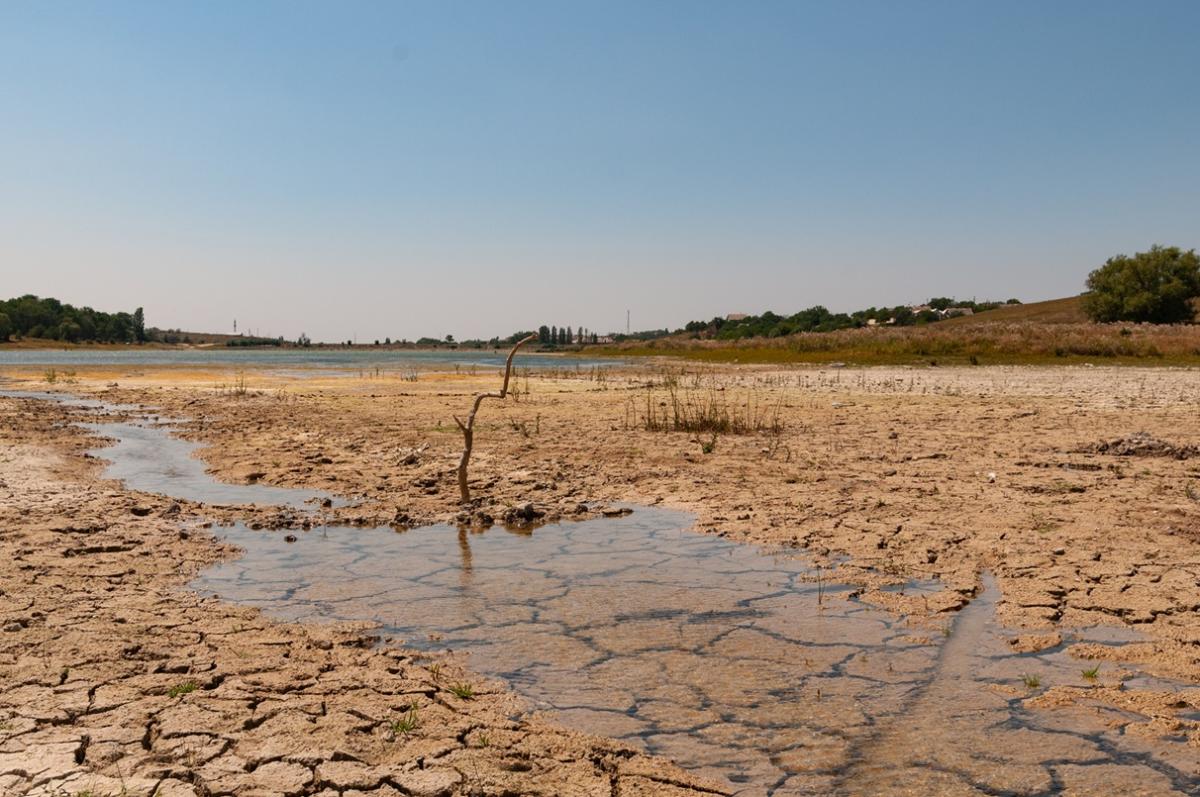
Around the world, businesses face increasing uncertainty due to a variety of water-related pressures. “Water risk” is often the shorthand used to encompass those pressures, which range from climate-driven floods and droughts, to tightening regulations, to pollution, aging infrastructure, and rising expectations from investors and communities. While many organizations once viewed water as an abundant and inexpensive resource, it is now recognized as a major strategic risk that can disrupt operations and supply chains, hinder growth strategies, and threaten brand reputation.
In today’s business landscape, understanding water risk isn’t optional. It is foundational to operational resilience and responsible growth. Whether operating in tech, industrial manufacturing, food and beverage, energy, retail, or agriculture, companies are now being asked, and in some cases required, to understand and manage their water risks. As a result, forward-thinking organizations across the globe are shifting from reactive compliance to proactive water stewardship that protects business value while supporting resilient water systems for the communities where they operate.
What Is Water Risk?
Water risk refers to the wide range of physical, regulatory, reputational, social, and financial impacts that arise when water availability, quality, or access cannot be reliably ensured for business operations.
Water risk encompasses multiple interconnected threats, including:
- Physical risks – droughts, floods, declining water quality, infrastructure failures, and climate-driven weather variability that disrupt access to clean, reliable water.
- Regulatory and compliance risks – evolving discharge limits, permitting requirements, water use restrictions, and enforcement actions with direct financial impacts.
- Reputational and social license risks – community concerns about competition for water, operational impacts on culturally or economically important water resources, and pressure from customers and investors to demonstrate responsible water use.
- Financial and supply chain risks – increased costs for sourcing water or treatment, lost productivity due to operational interruptions, and vulnerabilities tied to suppliers operating in water-stressed or high-risk regions.
Water risk recognizes that the challenge is not just how much water is available — but whether businesses can reliably access and responsibly use water in a way that is sustainable, socially acceptable, legally compliant, and economically viable over
Water Risk and Business Practices
Understanding water risk has become essential for business continuity, resilience, and long-term growth. Water-related disruptions can affect nearly every aspect of operations — from production schedules and facility performance to supply chain stability and stakeholder confidence.
Depending on the industry and location, risks can manifest differently. For example:
- Agricultural businesses facing decreased yields due to extreme weather or declining irrigation water quality.
- Manufacturing companies with water-intensive processes experiencing downtime from water restrictions or new treatment requirements.
- Beverage and consumer goods companies experiencing reputational backlash if water use affects local communities or ecosystems.
- Industrial and technology facilities facing permitting delays or legal scrutiny regarding wastewater discharges and water withdrawals.
Ineffective water management heightens exposure to operational losses, regulatory penalties, supply chain instability, and negative investor attention as markets increasingly evaluate water performance within ESG assessments. Conversely, organizations that identify and mitigate water risks early gain a competitive advantage through resilience, efficiency, innovation, and improved stakeholder trust.
Water Risk Assessment
At its core, a water risk assessment evaluates the water-related hazards that a business may face. It provides a comprehensive picture of the potential challenges and vulnerabilities that result from degraded water quantity and quality, regulatory changes, and community concerns, such as water access, competition with local users, and impacts to culturally or economically important water resources. Conducting an assessment helps businesses identify potential geographic hotspots and prioritize areas for action.
Our Water Risk Assessment Methodology has three primary goals:
- To identify potential risks to operations in the short to medium term.
- To help inform business objectives and decisions in the medium to long term, such as acquisitions or expansions.
- To begin water stewardship strategy development.
How Water Risk Assessments Work
Before conducting a water risk assessment, it is important to determine the boundaries of the client’s portfolio being assessed, such as local water facilities, regional infrastructure, or global operations. Clearly defining the scope up front ensures that resources are directed toward the areas of highest risk and strategic importance and that the results align with decision-making needs around investments, compliance, and long-term planning. Once the boundaries are confirmed, the targeted location is assessed for specific characteristics, like water availability and quality, regulatory and legal requirements, the socio-economic impact of water scarcity, and impacted stakeholders. Additionally, businesses may also analyze their water use and efficiency, supply chain dependencies, regulatory risk, and potential financial implications associated with water-related risks.
Assessing water risk doesn’t need to be complicated. Here are a few good places to start:
- Gather internal data: Even simple metrics like how much water is used at each site, whether water efficiency measures exist, and where your water is sourced can reveal meaningful insights.
- Prioritize your “hotspots”: If your business operates in multiple locations, focus on sites with the highest water usage or those located in regions with known water stress.
- Engage people on the ground: Local facility managers can provide practical observations about water supply reliability.
- Document what you find: Create a basic summary that tracks risks, potential impacts, and mitigation actions.
By taking these steps, businesses gain a comprehensive understanding of their water risks and can develop effective strategies to address them.
Business Benefits of Conducting a Water Risk Assessment
A water risk assessment supports organizations by:
- Identifying and mitigating risks: Taking a proactive approach to risk mitigation means businesses can minimize disruptions to their operations and safeguard their long-term viability.
- Enhancing resilience and adaptability: Understanding how to maintain effective operations in the face of water scarcity, regulatory changes, or other water-related challenges, not only protects your business, but also provides a competitive advantage in a water-stressed world.
- Demonstrating sustainability and responsibility: Stakeholders, including customers, investors, and communities, increasingly expect businesses to take proactive steps to address environmental challenges. Conducting a water risk assessment is a proactive way to show your commitment to sustainability and responsible water management.
- Identifying opportunities for innovation and efficiency: By evaluating water usage patterns, supply chain dependencies, and potential financial implications, businesses can identify areas where they can improve efficiency and reduce water consumption.
- Meeting legal and regulatory requirements: Water risk assessments help businesses stay compliant with legal and regulatory water management requirements. Failure to follow these requirements can result in legal consequences and operational disruptions.
Practical Solutions for Reducing Water Risk
There are several practical solutions that businesses can employ to ensure water security and reduce water risk:
- Using water efficiently: Efforts to use water efficiently are crucial to reducing water risk. By conducting water audits, businesses can identify areas of water waste and implement measures to optimize water use in their operations.
- Recycling and reusing water: Treating and reusing wastewater helps businesses get the most out of their water resources. This approach not only conserves water but also helps protect water quality and reduces the strain on freshwater sources.
- Collaborating with supply chain partners: Collaboration is crucial for ensuring water security. Businesses can work with their suppliers to encourage sustainable water practices.
- Engaging community and partners: Working with local communities to support water infrastructure improvement, conservation projects, and education initiatives.
- Advocating for sustainable policies: Businesses can advocate for sound water management policies and engage with policymakers to drive positive change. By actively participating in policy discussions, businesses can help shape regulations that support sustainable water practices, encourage investment in water infrastructure, and promote water stewardship across industries.
Water Risk Demands Action
With growing water risk challenges around the world, it is more important than ever for businesses to ensure water security and reduce water risk. Conducting a water risk assessment is a crucial way to identify and assess water-related vulnerabilities and develop effective strategies for responsible water management.
These efforts not only protect your business but also contribute to a more water-secure future. By taking action now, you can lead the way in responsible water stewardship.
Access the Water Risk Assessment eBook