Framework helps assess when commercial use can deliver environmental and economic benefits
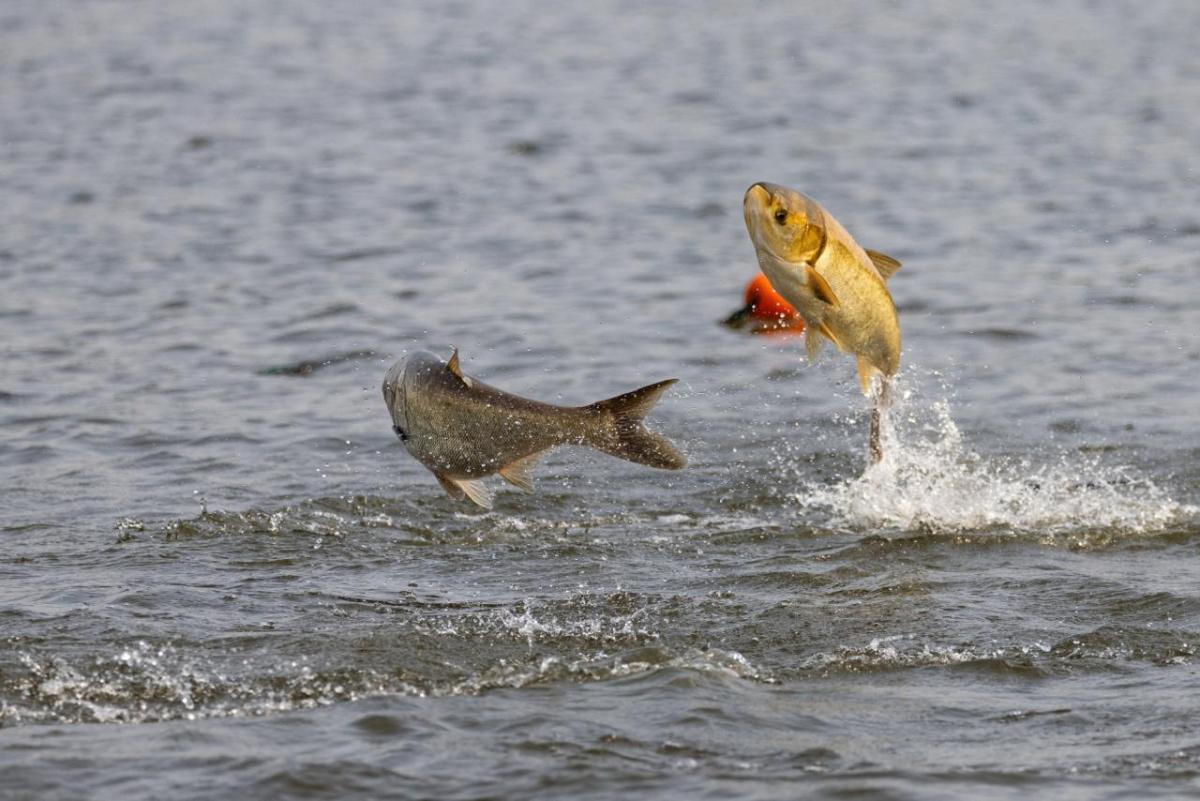
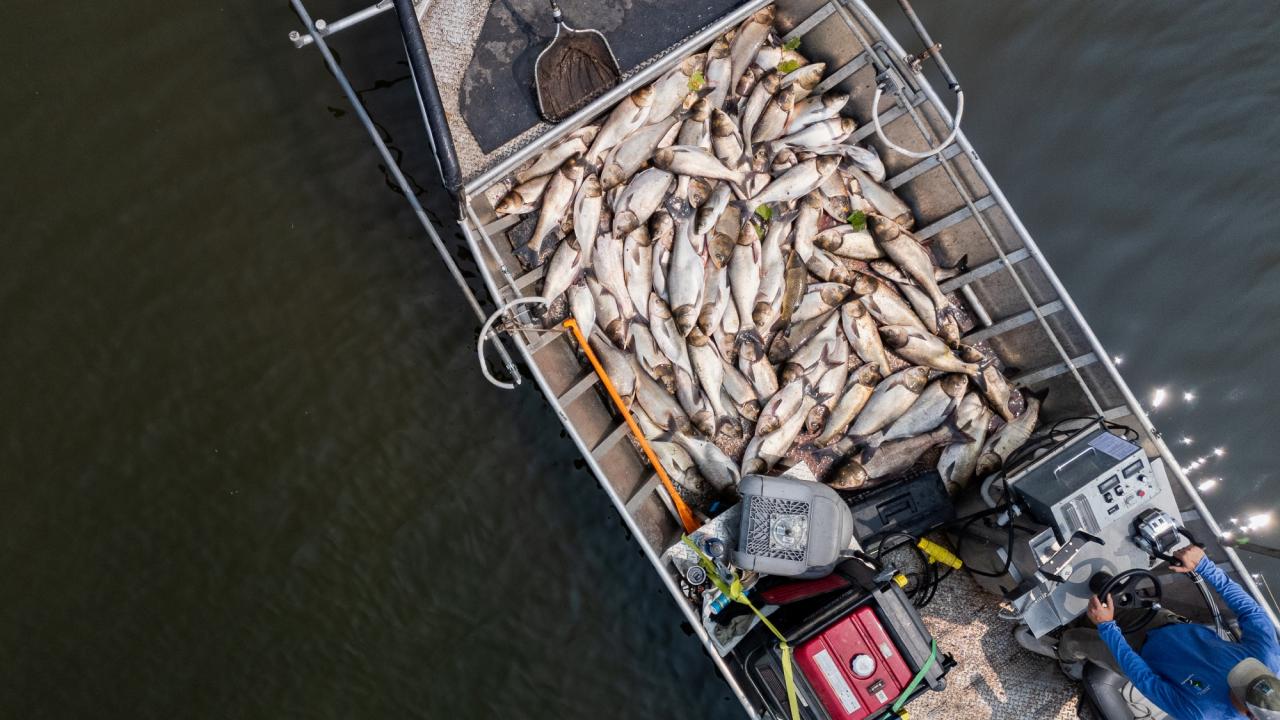
April 16, 2026 /3BL/ - Invasive species, introduced accidentally or purposefully outside their original range, can wreak havoc in their new environments, contributing to 60% of global wildlife extinctions and costing $423 billion per year. A new report from World Wildlife Fund (WWF) explores how, when eradication is not possible, developing commercial uses for these pests can help manage their populations and provide environmental and economic benefits to local communities. It presents a first-of-its-kind framework to help businesses and ecologists evaluate the potential benefits and unintended consequences of large-scale harvesting for commercial use.
“The complex part of creating new markets is the chicken-and-egg problem,” said Julia Kurnik, senior director for innovation startups at the Markets Institute at WWF and co-author of the report. “It’s risky to build procurement and processing infrastructure without existing market demand; but companies won’t launch new products until there’s stable supply and processing capabilities. But we’re working on solutions to this problem and already seeing progress.”
Using market forces is a new approach to addressing invasive species, and success will require collaboration from both the conservation and business worlds. To address this challenge, WWF has created a ‘Market Uses for Invasives’ framework. The framework aims to de-risk market-based solutions while centering positive environmental outcomes.
“Creating large-scale markets for invasive species requires planning and rigorous analysis. Our framework helps answer questions that haven’t been fully explored before,” said Emily Moberg, senior director at the Markets Institute and report co-author. “There is a very real risk of unintended consequences with commodifying invasive species; it’s essential we get this right and only use market solutions when they make ecological and business sense.”
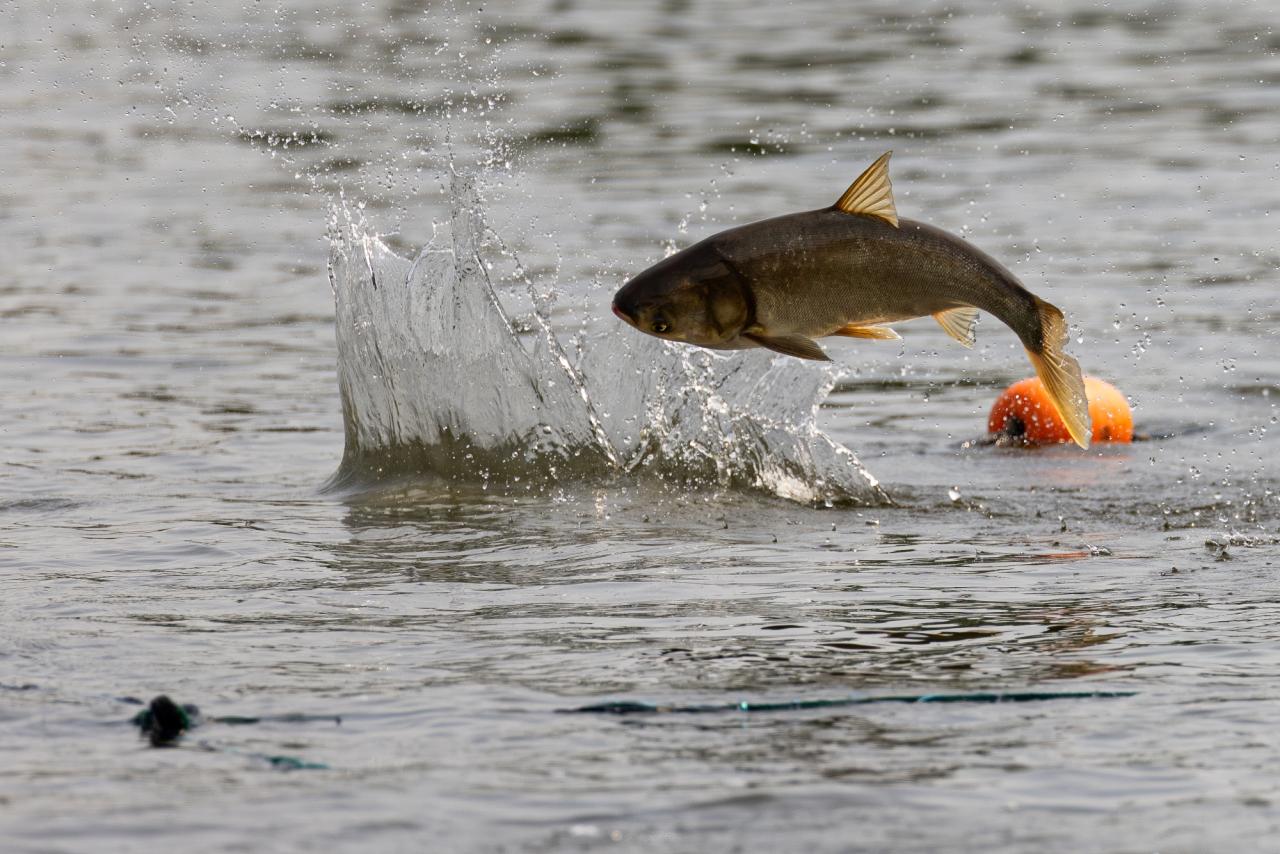
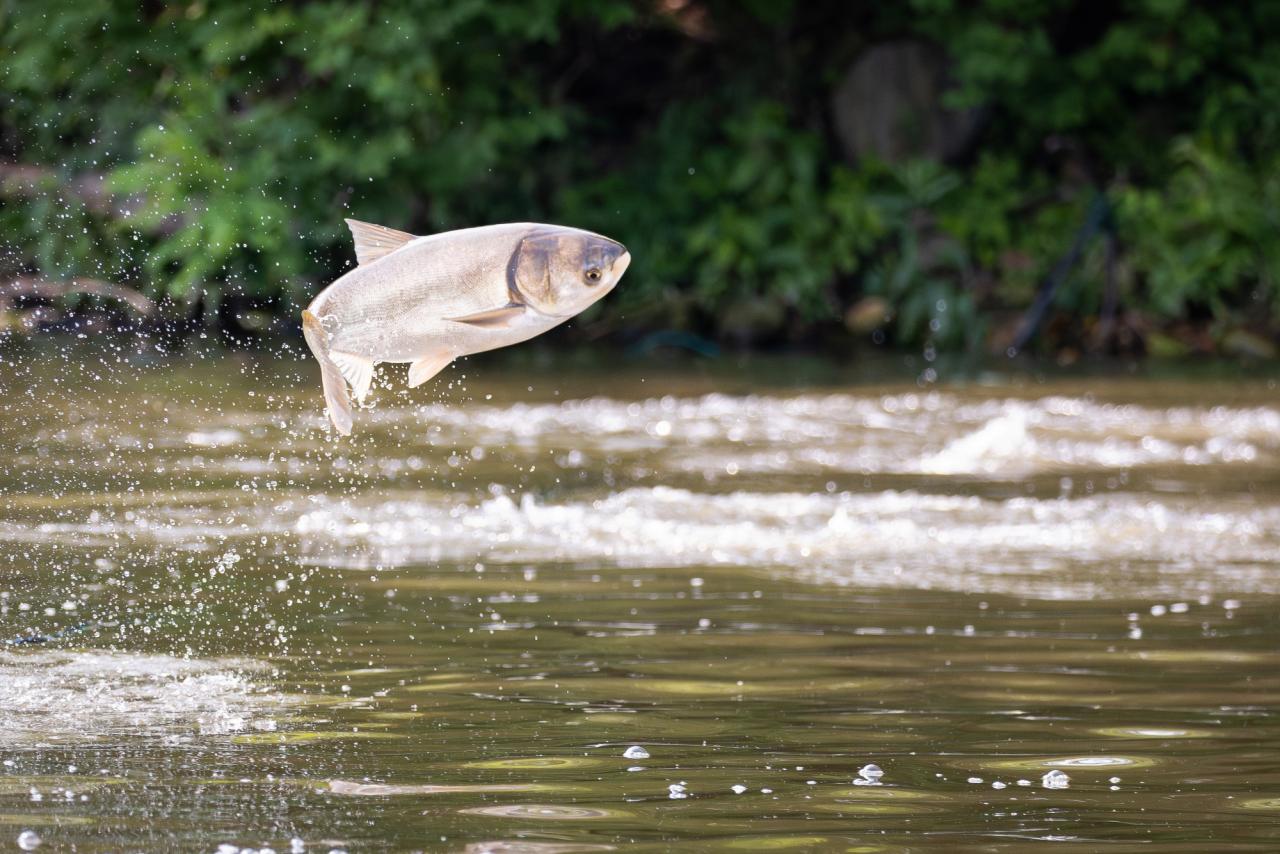
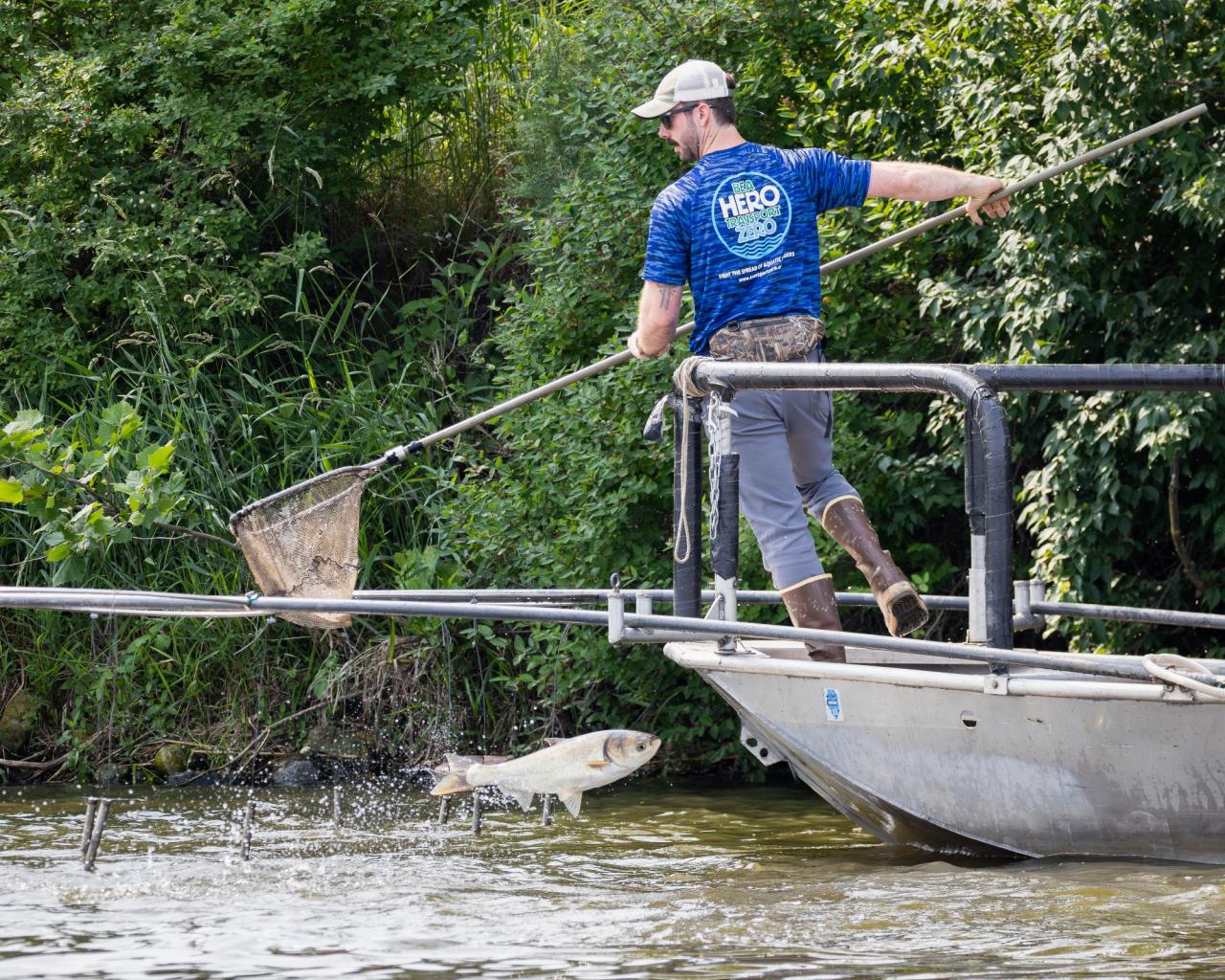
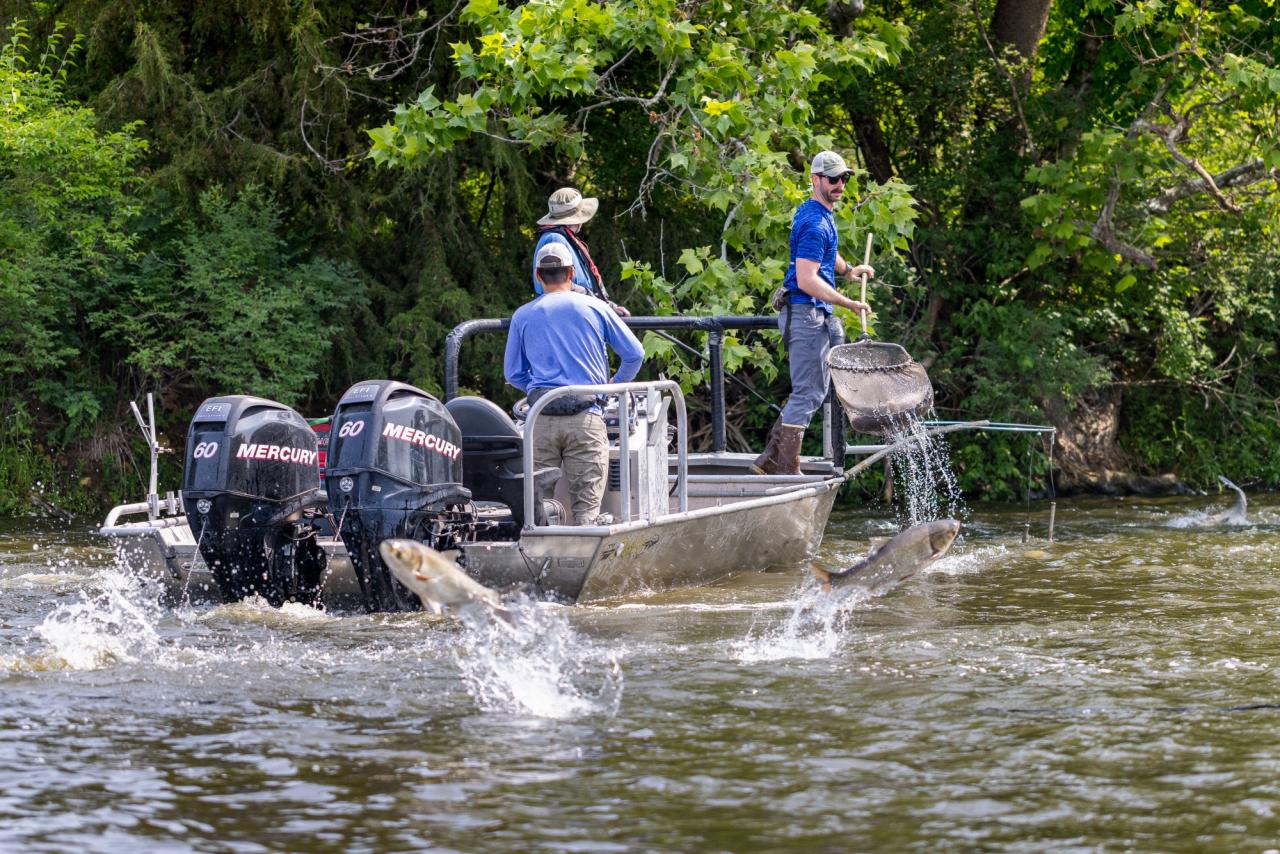
To illustrate the framework’s utility, the report applies it to two invasive species causing considerable environmental and economic damage: carp and black locust trees. The analysis examines carp for pet food and black locust for lumber.
There are several companies working to address the bottleneck in processing capacity for invasive carp for the pet food and consumer markets. In 2026, pet food company Chippin launched IGNIZA, a new brand with a large-scale processing facility so other pet food companies can incorporate invasive species into their own products. Other companies, like Two Rivers Fisheries and Impact Fisheries, are developing carp burgers and fish cakes to serve in schools as part of a larger educational campaign about the impacts of invasive species.
"Most pet food in the U.S. comes from byproducts of human food processing. But with demand growing and more consumers seeking human‑grade options, we need new ingredients that don’t add environmental pressure," said Haley Russell, founder of Chippin and IGNIZA. "Sourcing nutrient‑dense invasive carp for pet food protects native fish, reduces environmental harm, and turns an ecological challenge into part of the solution."
Going forward, WWF will continue to support and explore the potential of using market forces to address invasive species. This will include revising, refining, and sharing the framework, along with encouraging efforts through business and supply chain support. WWF will also develop additional case studies and share lessons learned, ensuring that all collected wisdom is available long-term.
Read the full report: https://www.worldwildlife.org/publications/from-pest-to-profit-market-use-of-invasive-species/
Media Contact: Lorin Hancock | [email protected]
####
Disclosure: WWF Impact, the impact investing arm of WWF-US, supports investment solutions to solve some of the most pressing environmental challenges facing people and the planet. WWF Impact is invested in Chippin. This investment aligns with WWF Impact’s impact investing mandate and internal governance procedures.
####
About World Wildlife Fund
WWF is one of the world’s leading conservation organizations, working for 60 years in nearly 100 countries to help people and nature thrive. With the support of 1.3 million members in the United States and more than 5 million members worldwide, WWF is dedicated to delivering science-based solutions to preserve the diversity and abundance of life on Earth, halt the degradation of the environment, and combat the climate crisis. Visit worldwildlife.org to learn more; follow @WWFNews on X, formerly known as Twitter, to keep up with the latest conservation news; and sign up for our newsletter and news alerts here.