From a Games delivery model centred on existing and temporary venues to programmes that promote active lifestyles and socio-economic development across mountain and urban areas, Milano Cortina 2026 is designed to deliver outstanding sport while creating lasting value for host communities.
International Olympic Committee news
Key facts
- Milano Cortina 2026’s iconic venues span Northern Italy, with 85 per cent of competition venues existing or temporary (11 of 13), significantly reducing the need for new construction.
- More than 330 initiatives are inspiring healthy lifestyles and inclusion, including the Gen26 Education Programme (1.5 million students engaged) and Italia dei Giochi (which has involved over five million people).
- According to estimates by Bocconi and Ca’ Foscari Universities, the Games are expected to generate over EUR 5 billion in net economic impact for Italy and create 36,000 new jobs.
For more than a century, the Olympic Winter Games have helped winter sport develop and deliver lasting benefits for host regions. Today, in the face of climate and socio-economic challenges, the Games are evolving. The IOC’s approach to Olympic legacy focuses on a more flexible model that maximises existing venues, reduces environmental impact and strengthens community resilience — and Milano Cortina 2026 reflects this evolution.
Designed around Northern Italy’s existing infrastructure, strong winter-sport heritage and clearly defined community priorities, Milano Cortina 2026 is not only about delivering outstanding sport but also about accelerating long-term development and strengthening resilience across both mountain and urban areas.
© 2026 Getty Images
Making the most of existing venues
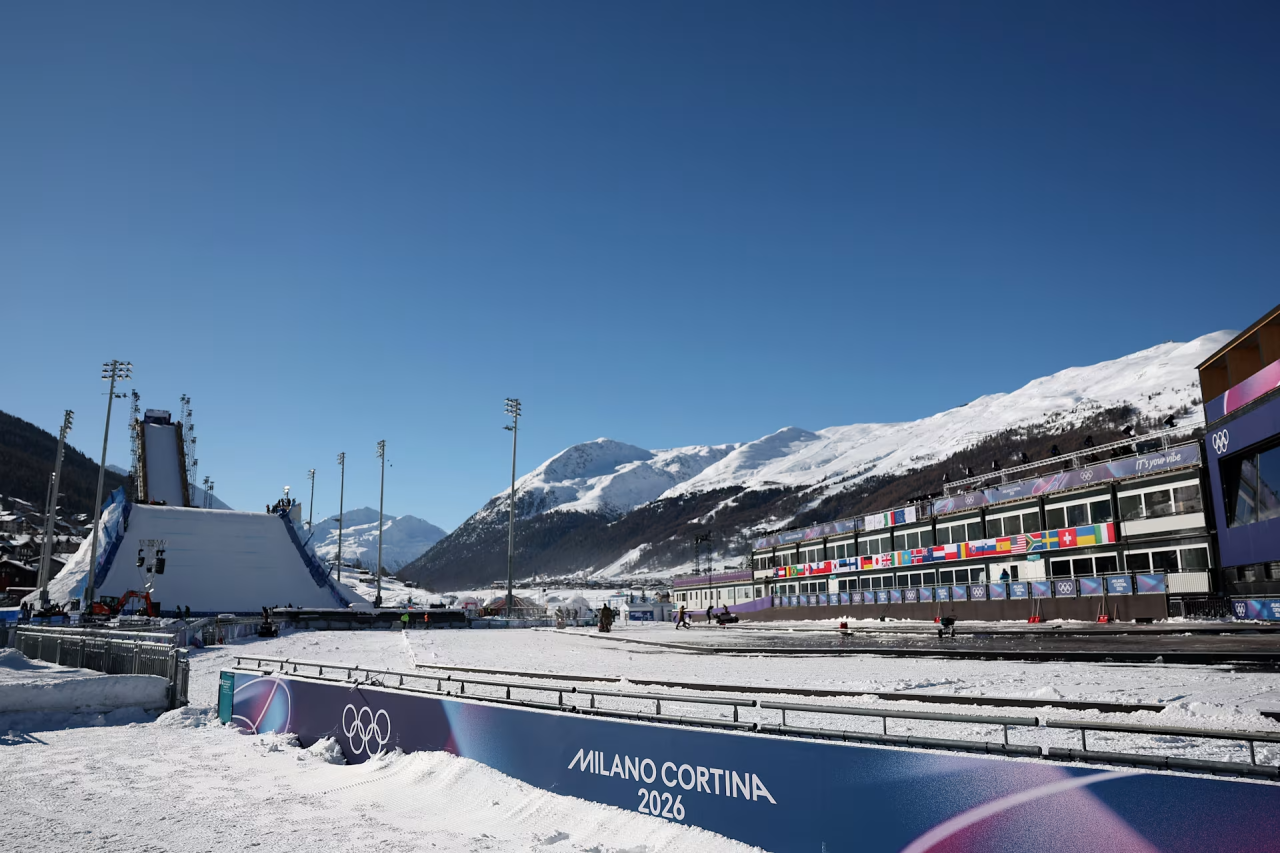
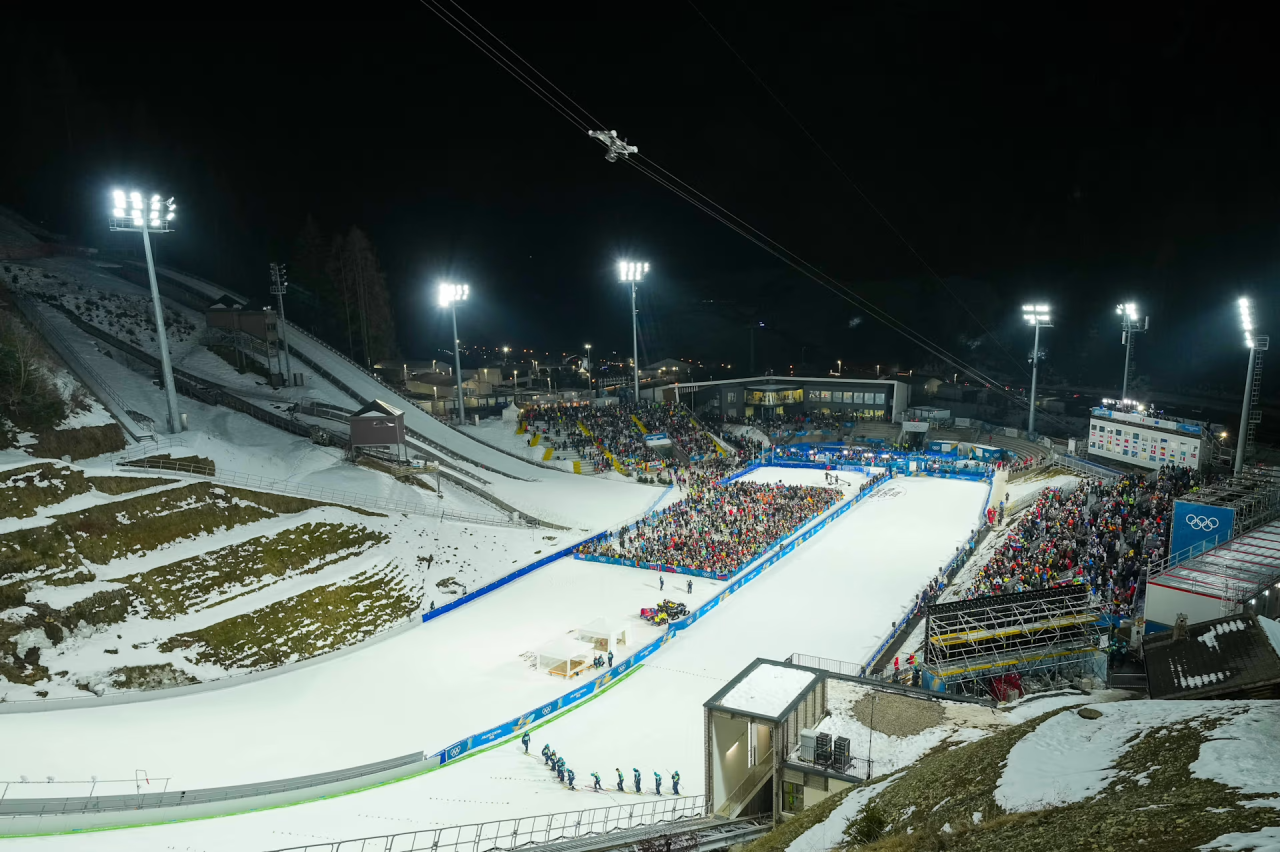
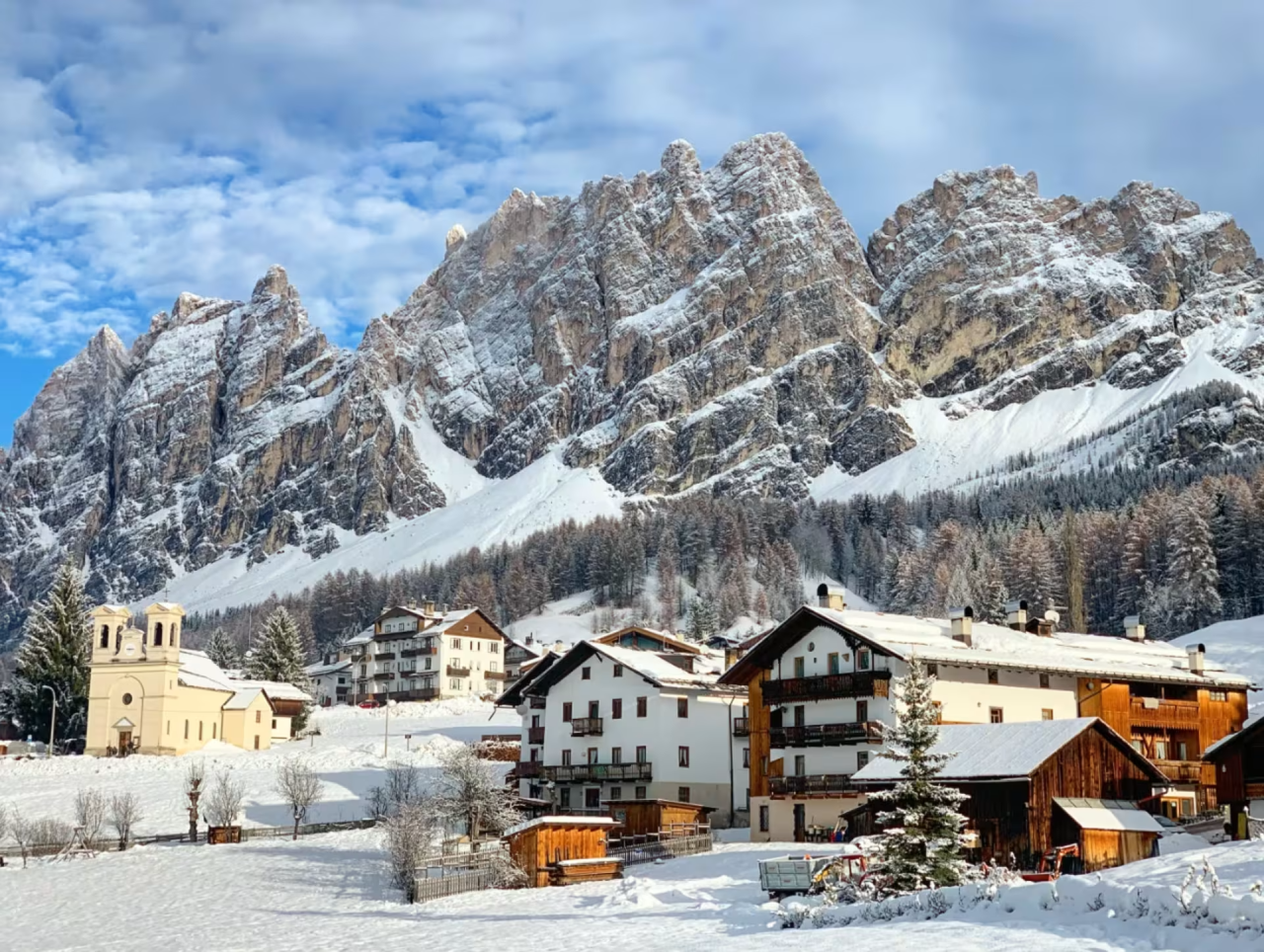
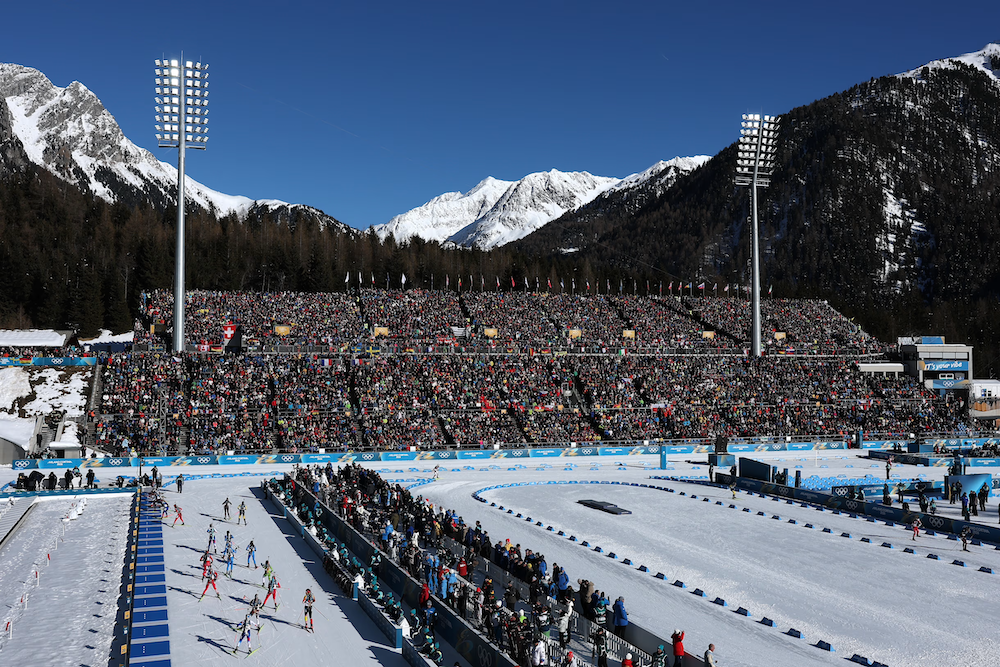
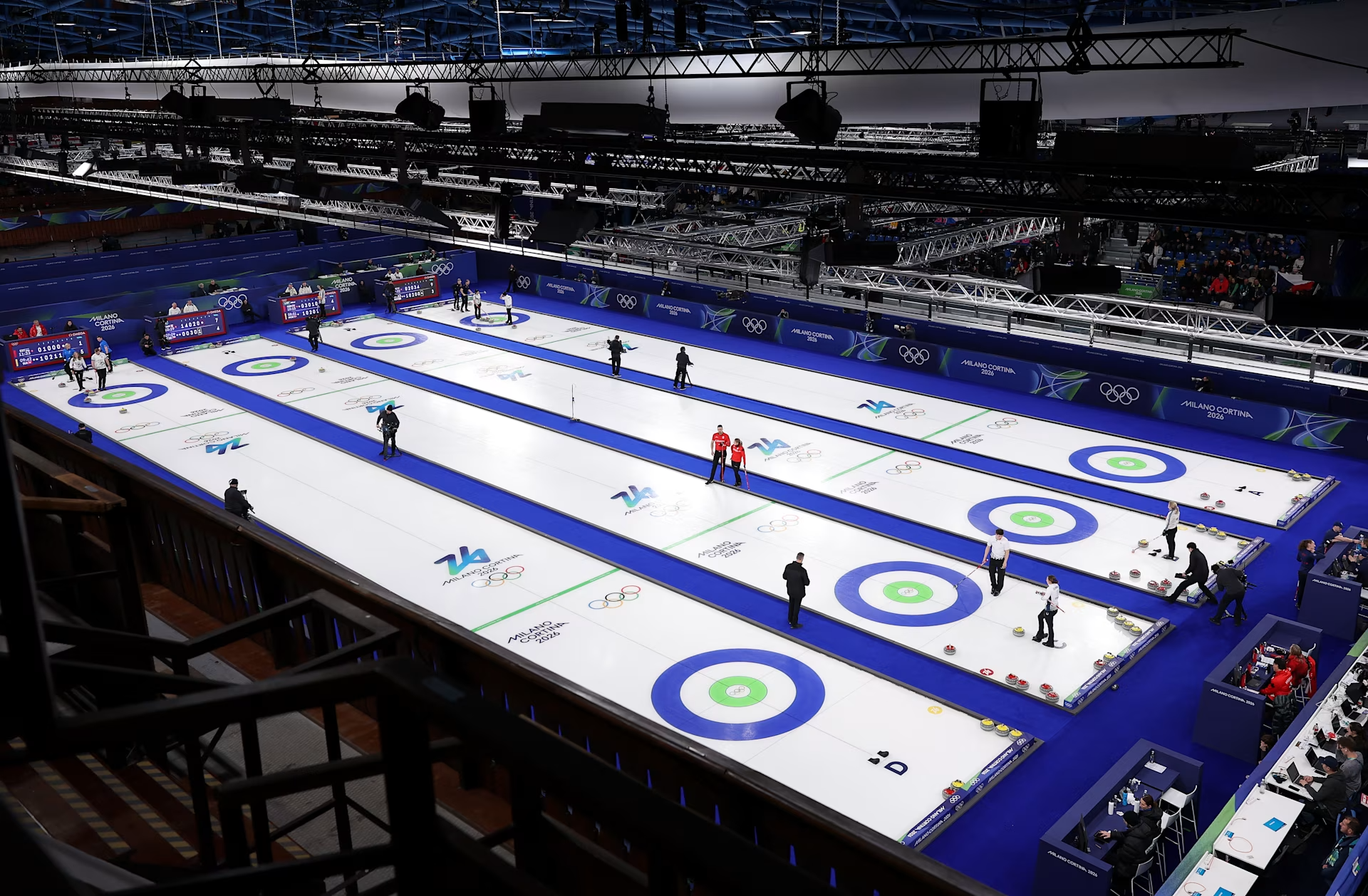
Milano Cortina 2026 spans Northern Italy’s iconic winter sports venues, with 85 per cent of competition venues existing or temporary, significantly reducing the need for new construction.
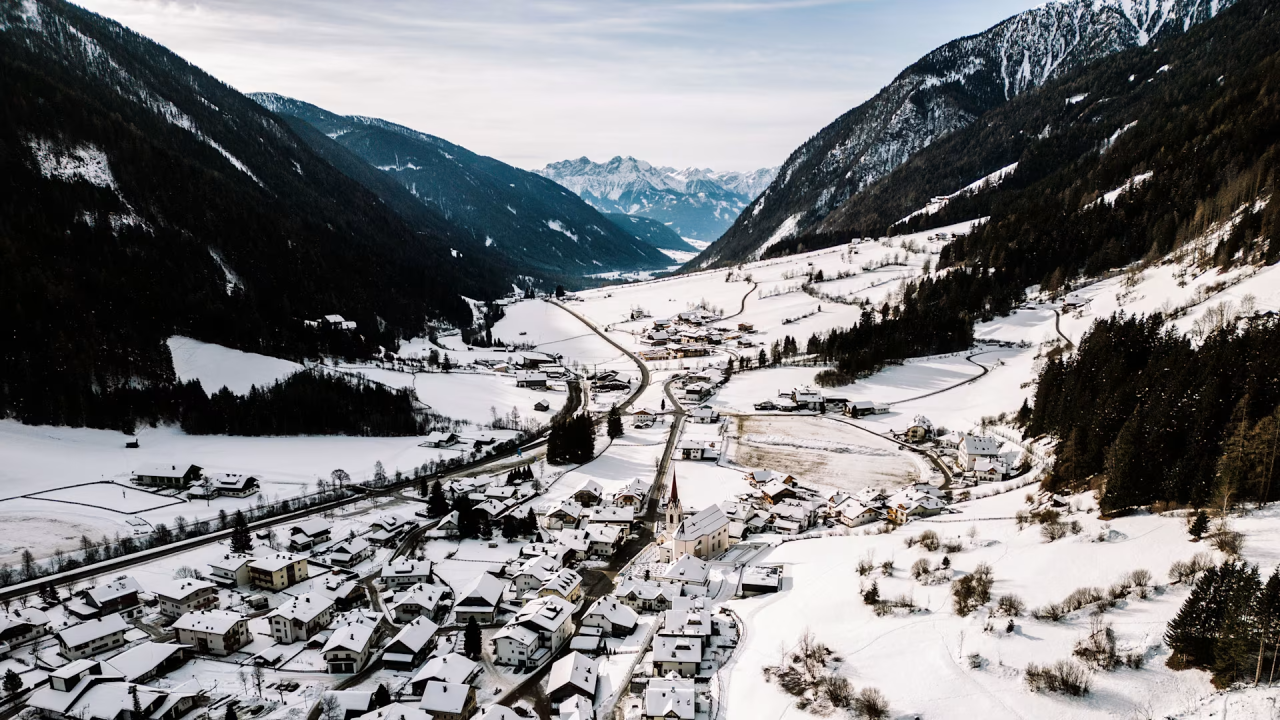
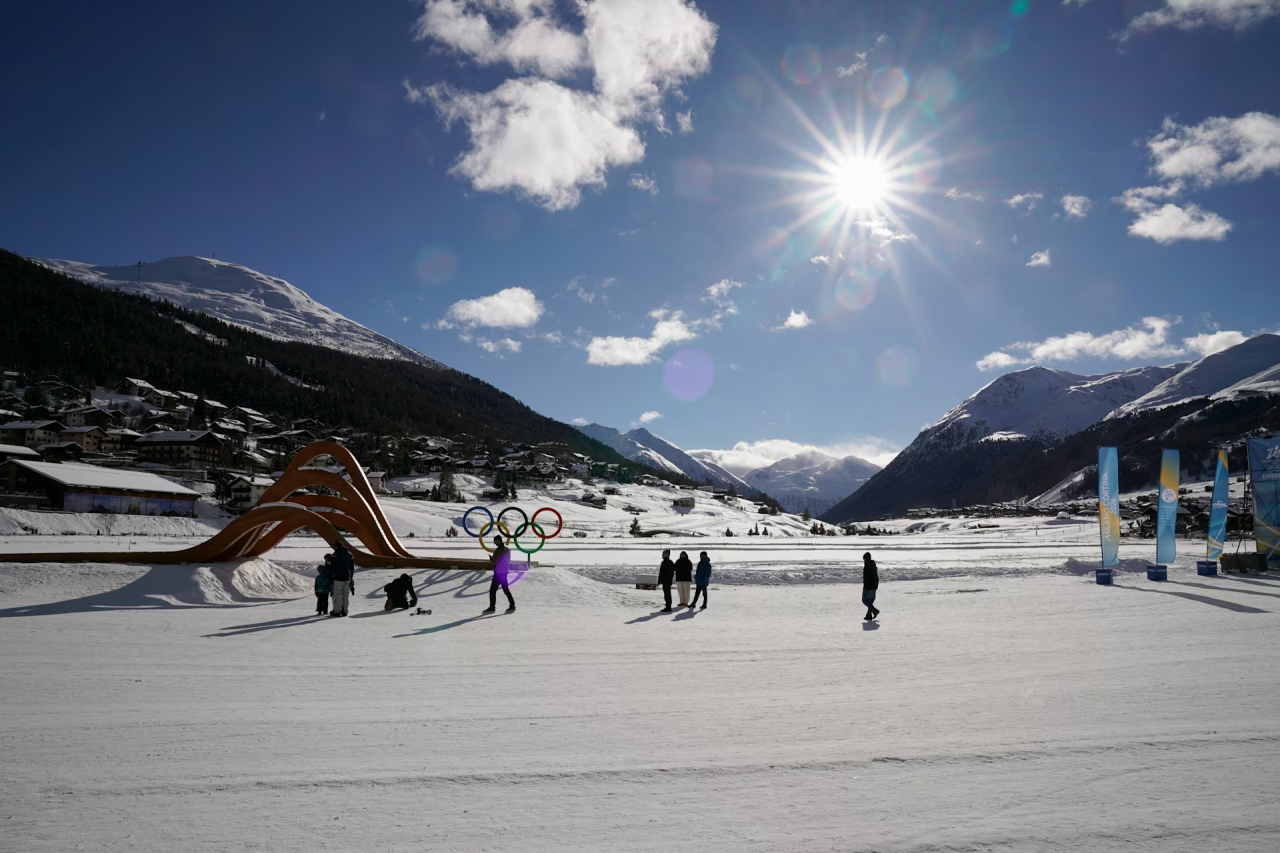
Eleven of the thirteen competition venues are existing or temporary, including established sites in Bormio, Val di Fiemme and Anterselva, which are continuing their legacy as world-class hosts of international events.
"By adapting to what already exists, the organisers are reducing environmental impact, leveraging proven local expertise, spreading opportunities across regions, and accelerating projects that meet community needs."
Arram Kim
IOC Head of Legacy
© © 2026 / International Olympic Committee (IOC) / CIANCAGLINI, Emmanuele
Inspiring active lifestyles
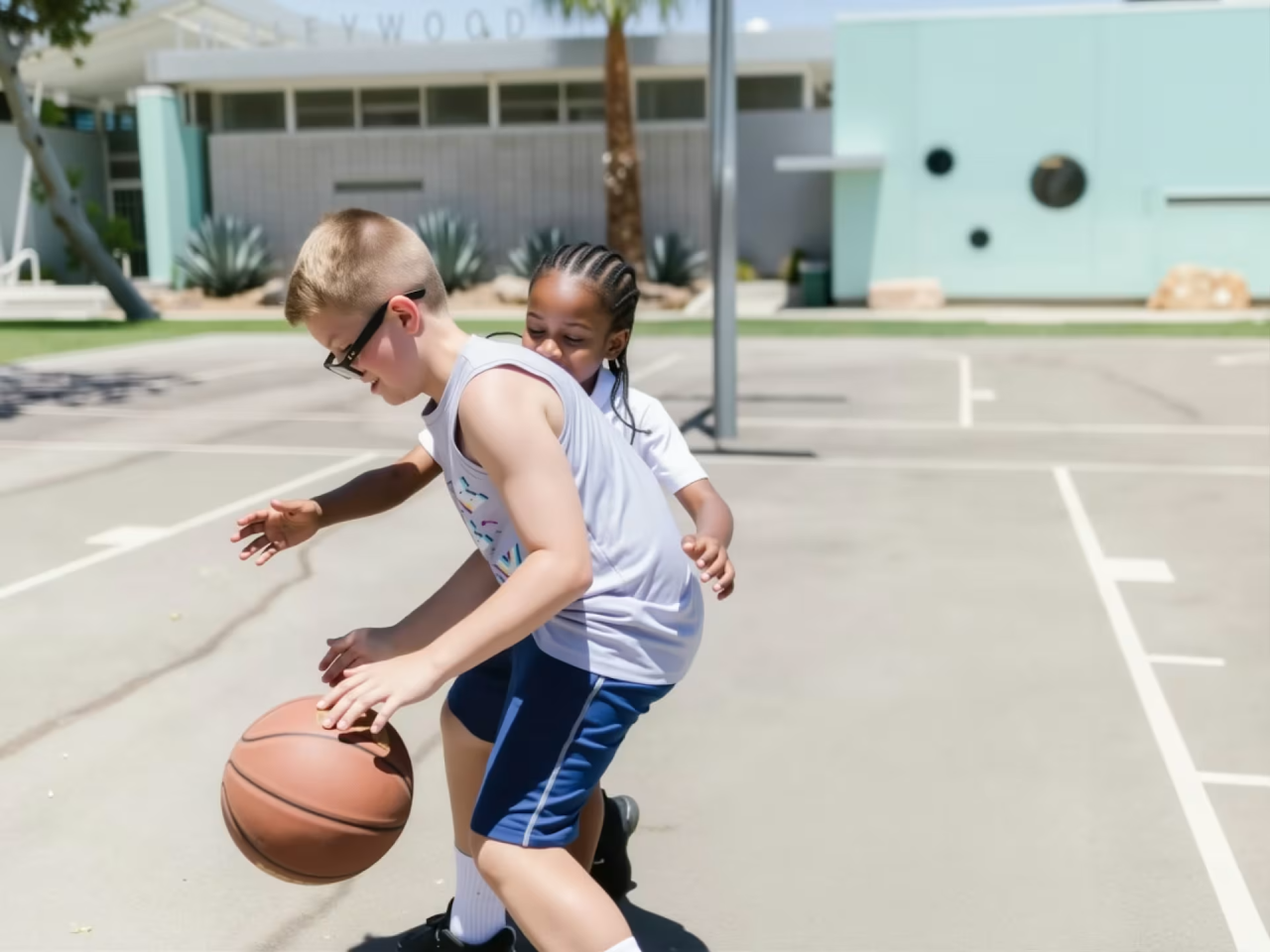
Milano Cortina 2026 is also supporting active lifestyles and inclusion through initiatives designed to reach people of all ages.
For the first time, sport is now explicitly referenced in the Italian Constitution, creating a stronger foundation for increased investment in sport at both national and regional levels.
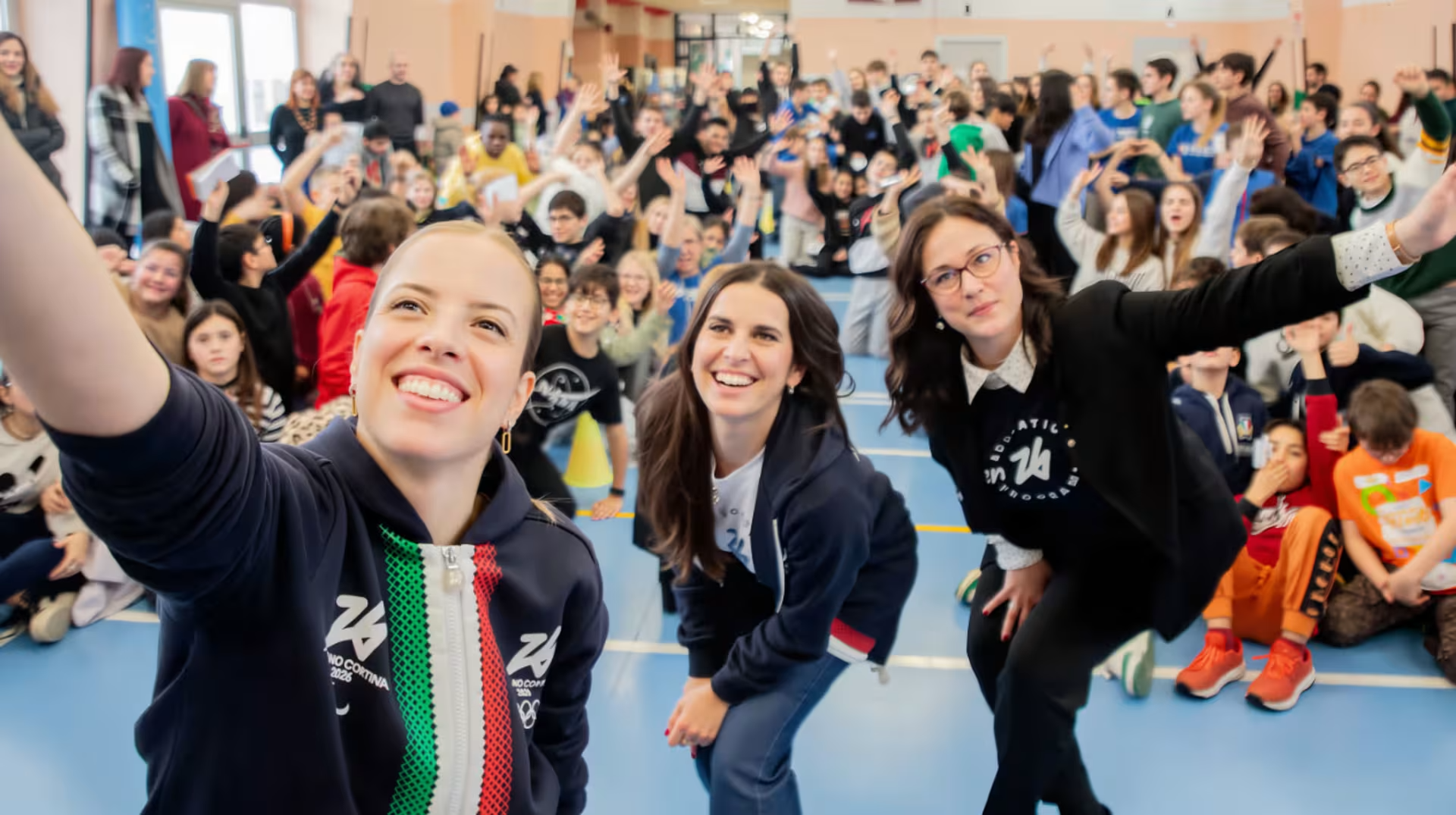
More than 330 initiatives are already promoting movement and well-being. Through the Gen26 Education Programme, 1.5 million students have engaged in Olympic and Paralympic activities. Italia dei Giochi , has involved more than five million people nationwide through community sport events.
Accelerating socio-economic development
The Games are supporting Northern Italy’s long-term development by accelerating existing regional plans– from urban regeneration in Milan to improvements in transport links, accessibility, electricity distribution and medical services in mountain communities.
“These were investments that were already part of our long-term plans. Thanks to the Games, all these investments were accelerated, and Italian citizens will benefit from them,” said Iacopo Mazzetti, Legacy Director of the Fondazione Milano Cortina 2026.
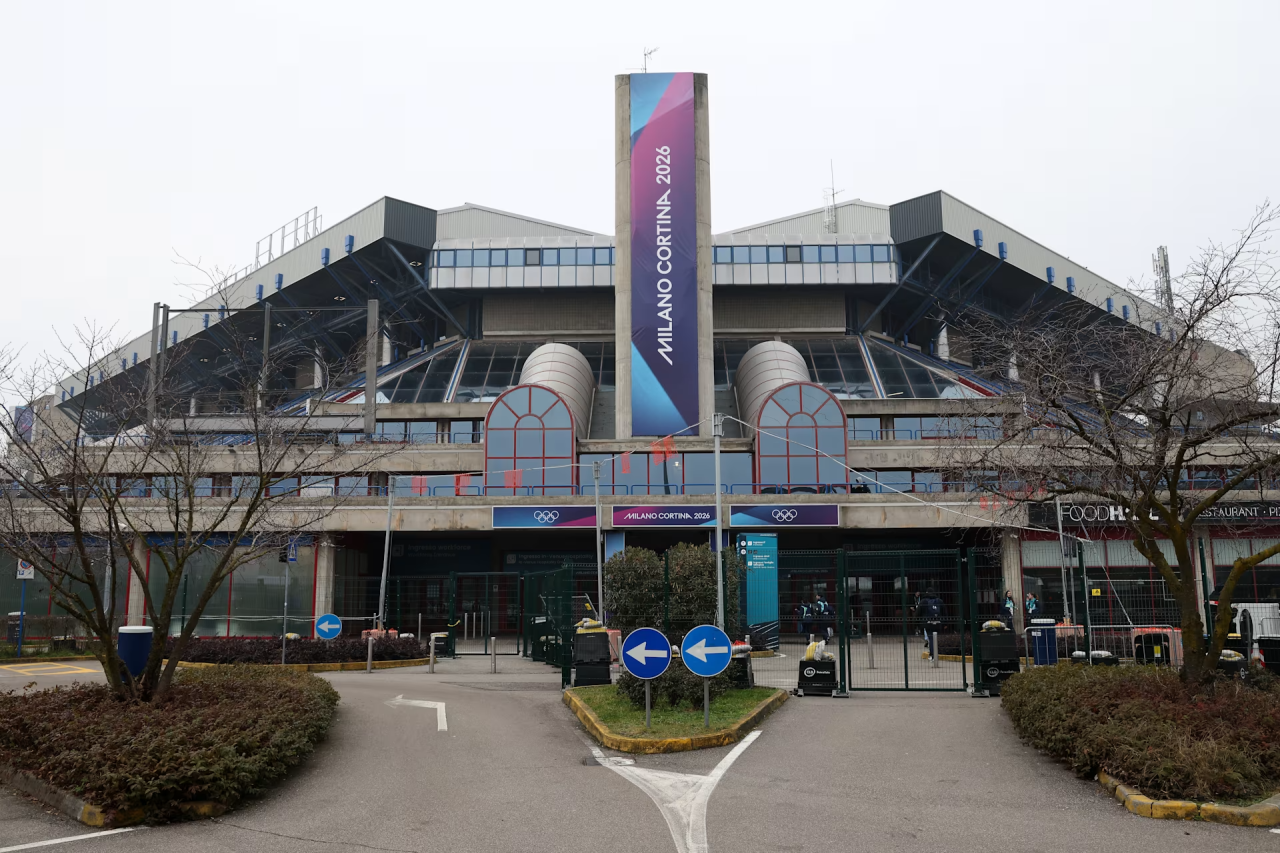
In Milan, the Olympic Village has transformed a former railway yard into a sustainable urban district, which is set to become student housing after the Games. In mountain areas, upgrades to electricity distribution systems and medical services are improving energy resilience of local communities.
According to estimates by Bocconi and Ca’ Foscari Universities, the Games are expected to generate over EUR 5 billion in net economic impact for Italy and create 36,000 new jobs. A post-Games report is planned to compare outcomes against these pre-Games estimates.
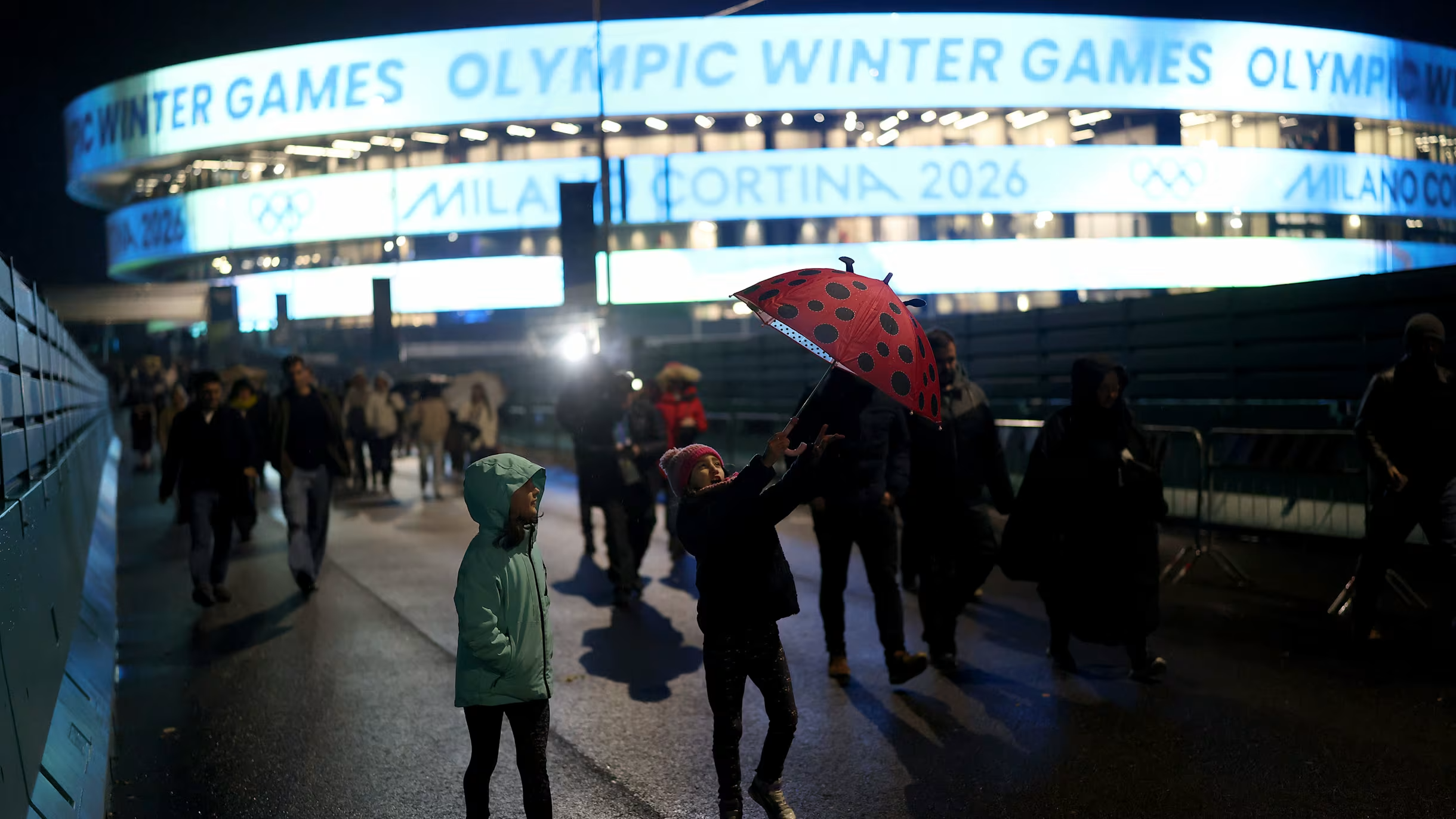
© Getty Images
Supporting local and social businesses
Through the Impact 2026 social procurement programme, more than EUR 1.77 million in Games-related procurement has been awarded to local social and micro-enterprises — supporting SMEs and helping create skills and jobs.
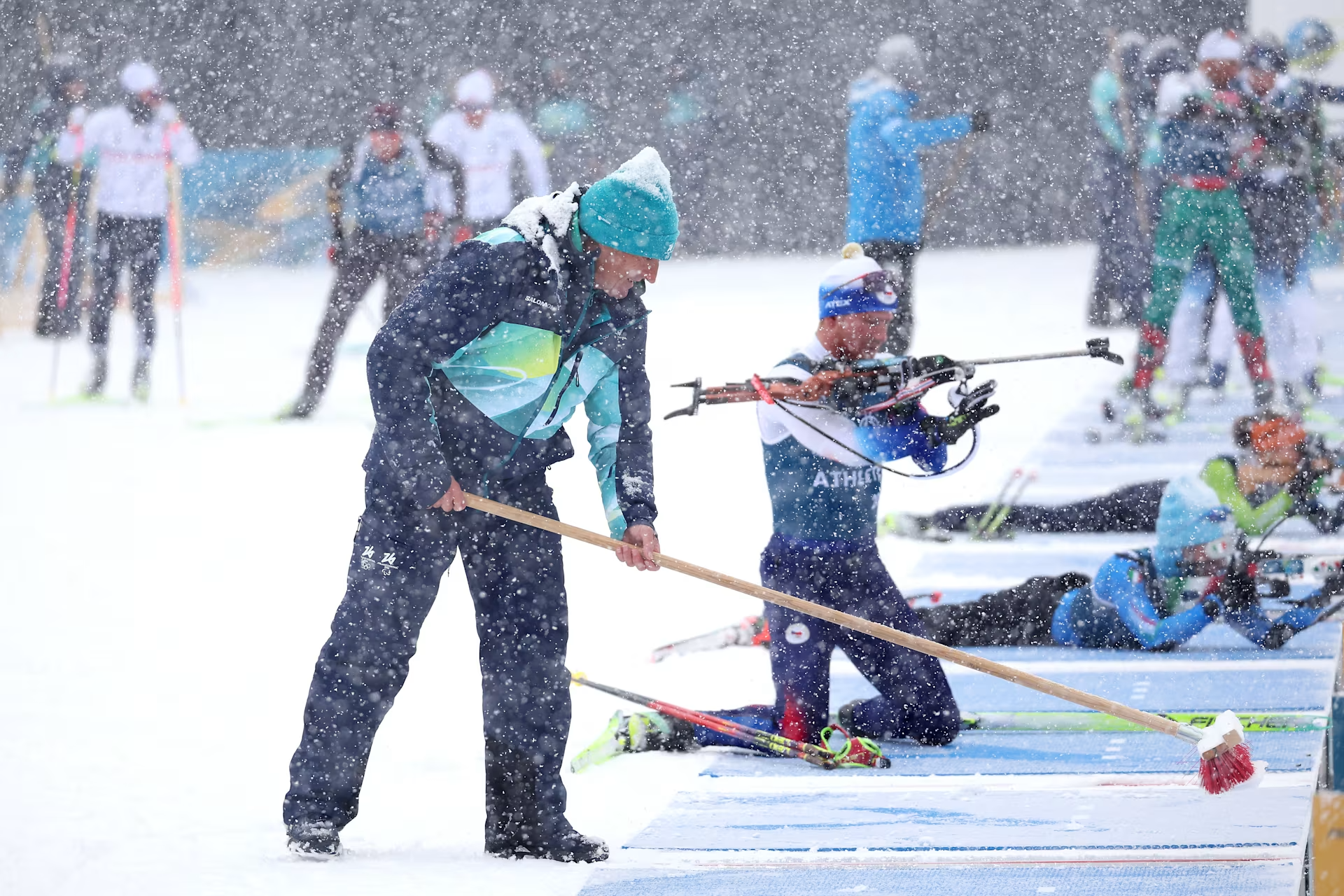
© 2026 Getty Images
The legacy of this approach will extend beyond 2026, with the model also set to support the delivery of the Dolomiti Valtellina 2028 Winter Youth Olympic Games. The Games have also created opportunities for staff and volunteers to develop skills and experience can support future events.
“Volunteers are a fundamental heritage of Milano Cortina 2026,” said Iacopo Mazzetti. “More than 18,000 were trained, and they will benefit from it for their future lives, and also in the Italian sports system.”