International Olympic Committee news
For more than a century, the Olympic Winter Games have helped winter sport develop and deliver lasting benefits for their host regions. Climate change is now reshaping sport as we know it, requiring the Games to evolve responsibly.
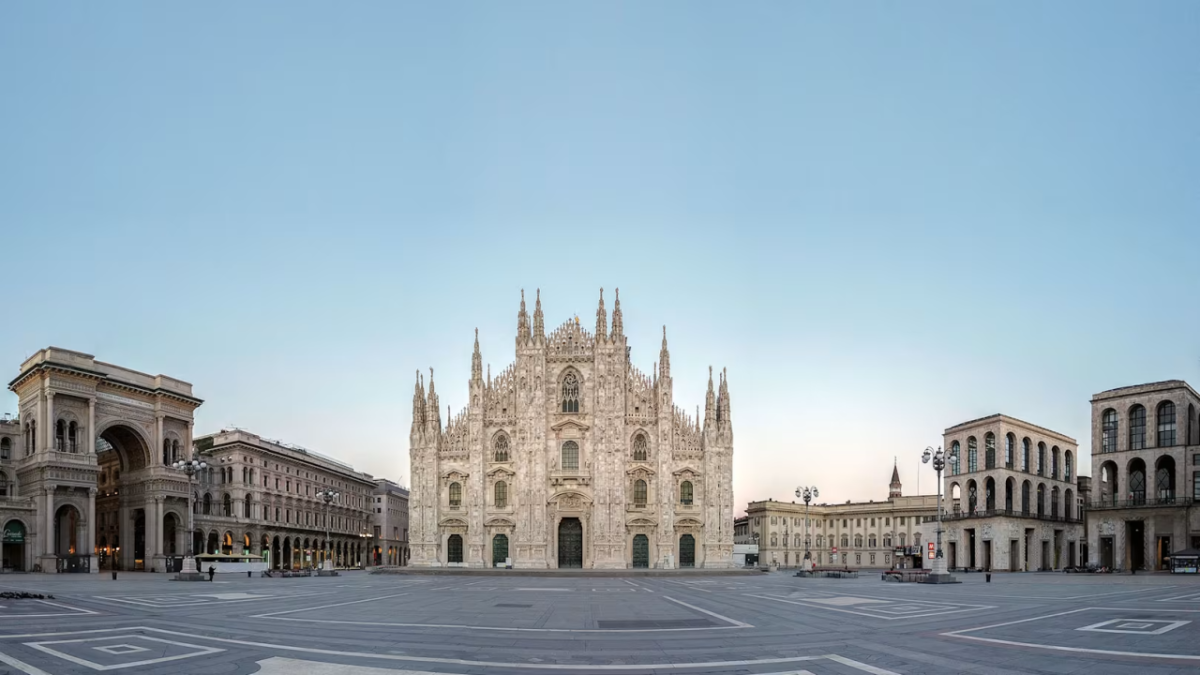
Milano Cortina 2026 reflects this evolution through a more flexible, regionally distributed model that maximises existing venues, reduces environmental impact and strengthens community resilience. Innovation in snow-making technologies, clean energy and low-carbon mobility is helping ensure safe, fair and reliable competition while supporting host regions in adapting to a changing climate.
As the first Olympic Winter Games shaped from start to finish by the Olympic Agenda reforms, Milano Cortina 2026 has adapted to Northern Italy’s specific context - its infrastructure, winter sports heritage and community priorities.
Here’s what you need to know about the Milano Cortina 2026 sustainability, impact and legacy.
Sustainability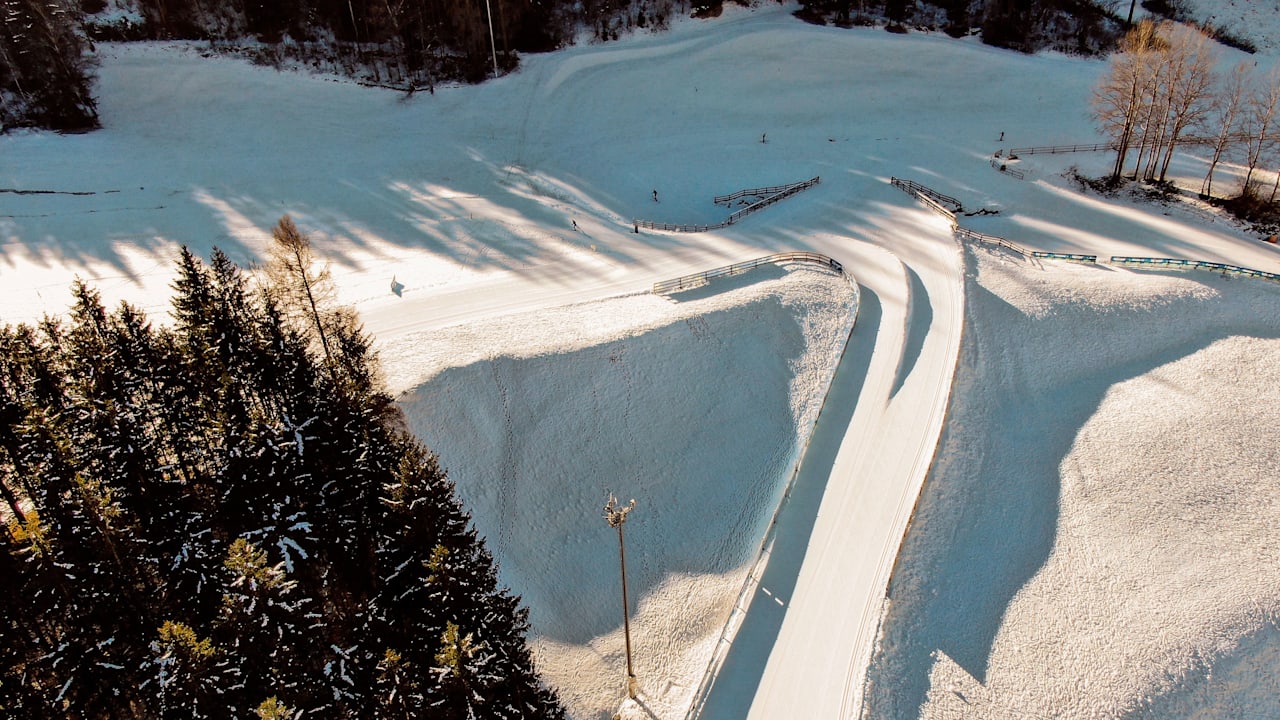
Games designed around existing, world-class venues
- 85 per cent of competition venues are existing, one of the highest reuse rates in Olympic Winter Games history.
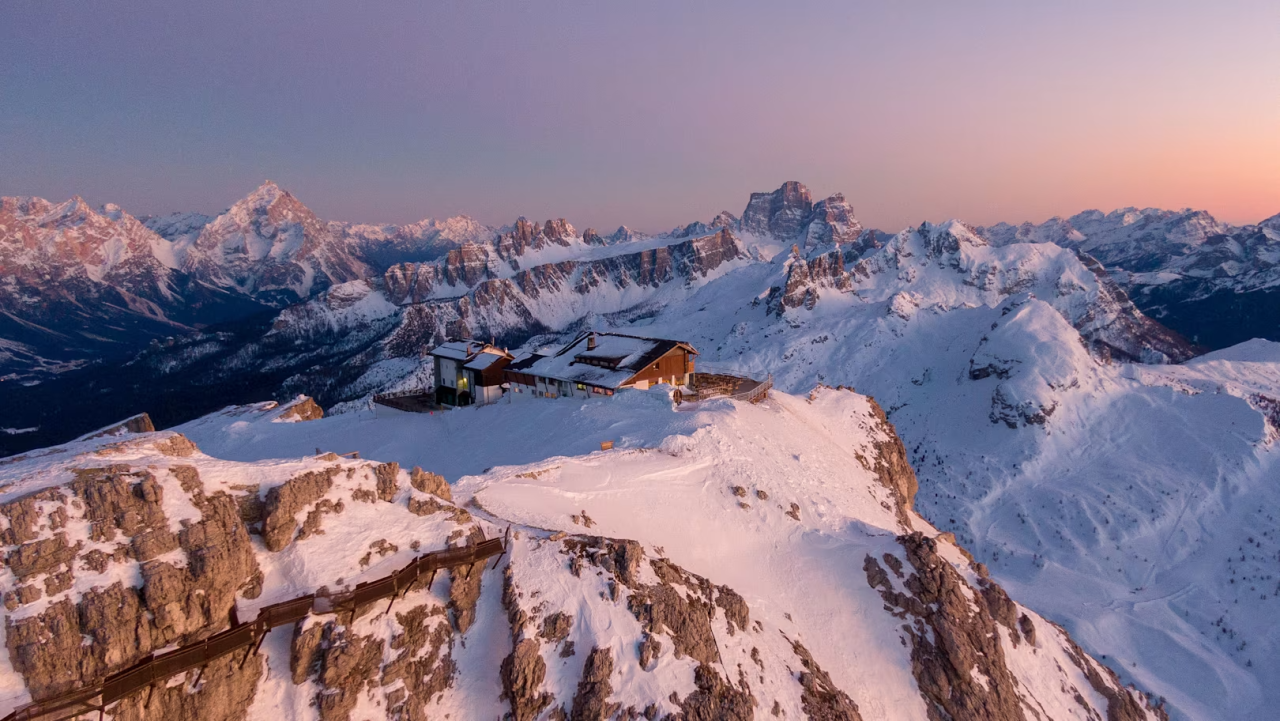
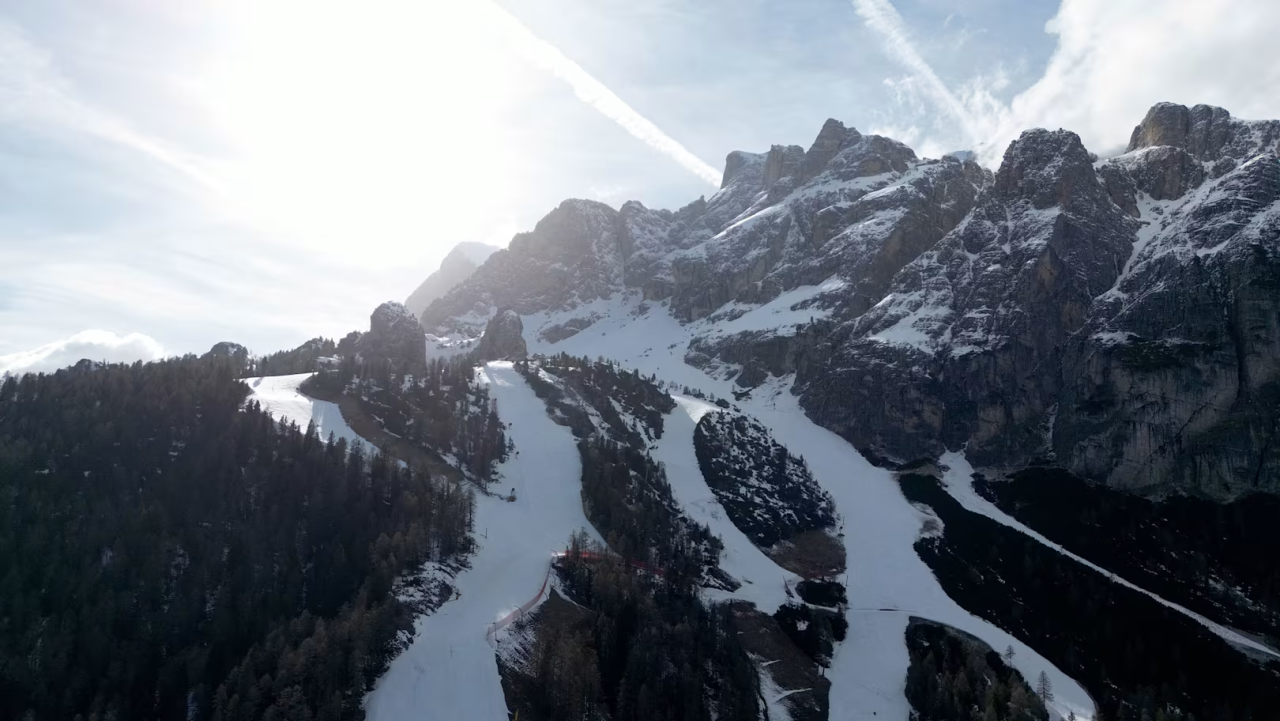
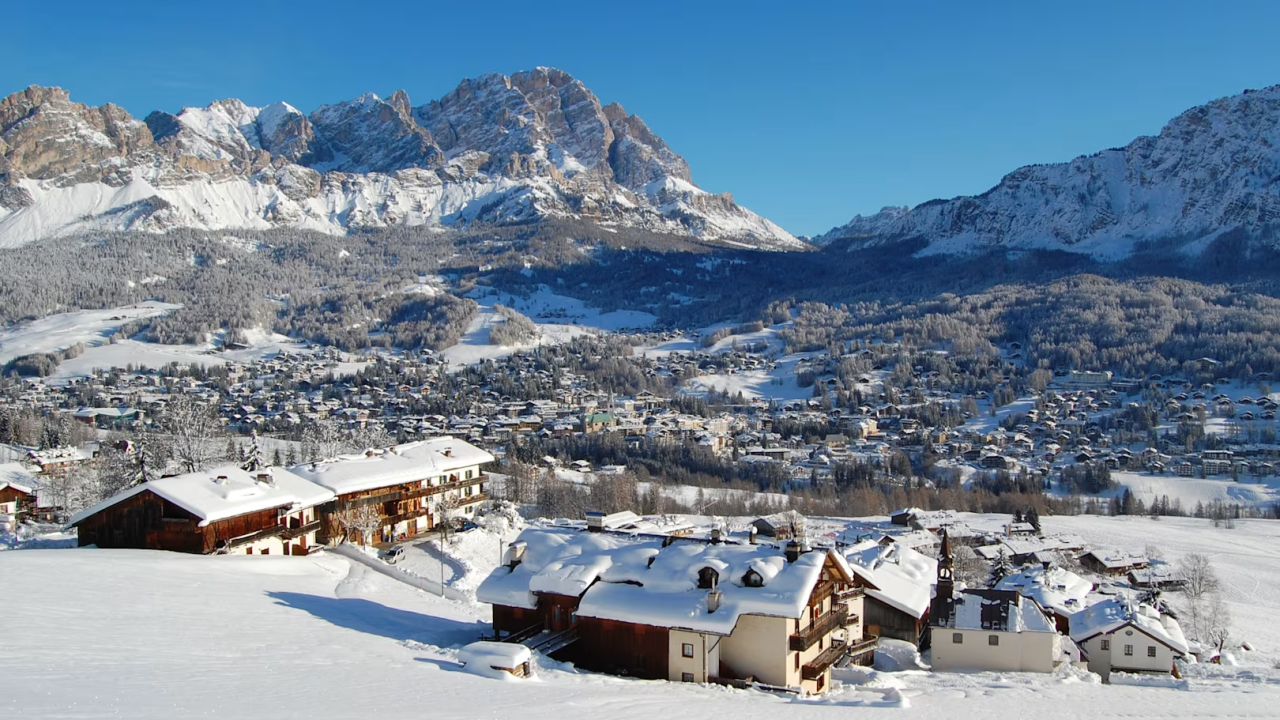
- Iconic venues include Bormio’s Stelvio slope (Alpine skiing), Val di Fiemme (cross-country skiing and ski jumping), Anterselva (biathlon) and Cortina d’Ampezzo (Alpine skiing, curling and sliding sports), host of the 1956 Olympic Winter Games.
Olympic Villages adapted to local needs
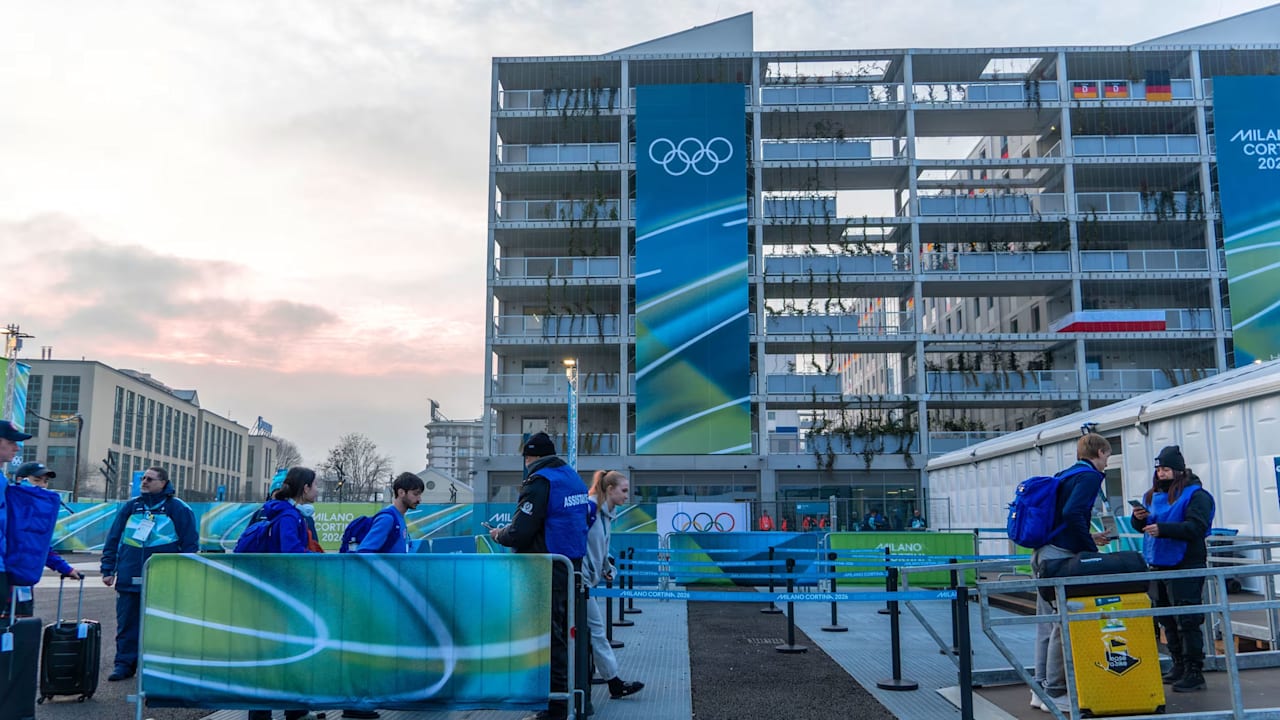
- In Milan’s Porta Romana, a low-carbon Olympic Village is planned to become student and affordable housing after the Games.
- In Cortina, a temporary village built from recyclable units will be repurposed after the Games.
- In Bormio, Livigno, Anterselva and Predazzo, athletes will stay in existing hotels and facilities, limiting new construction and supporting local businesses.
Clean energy and low-carbon transport
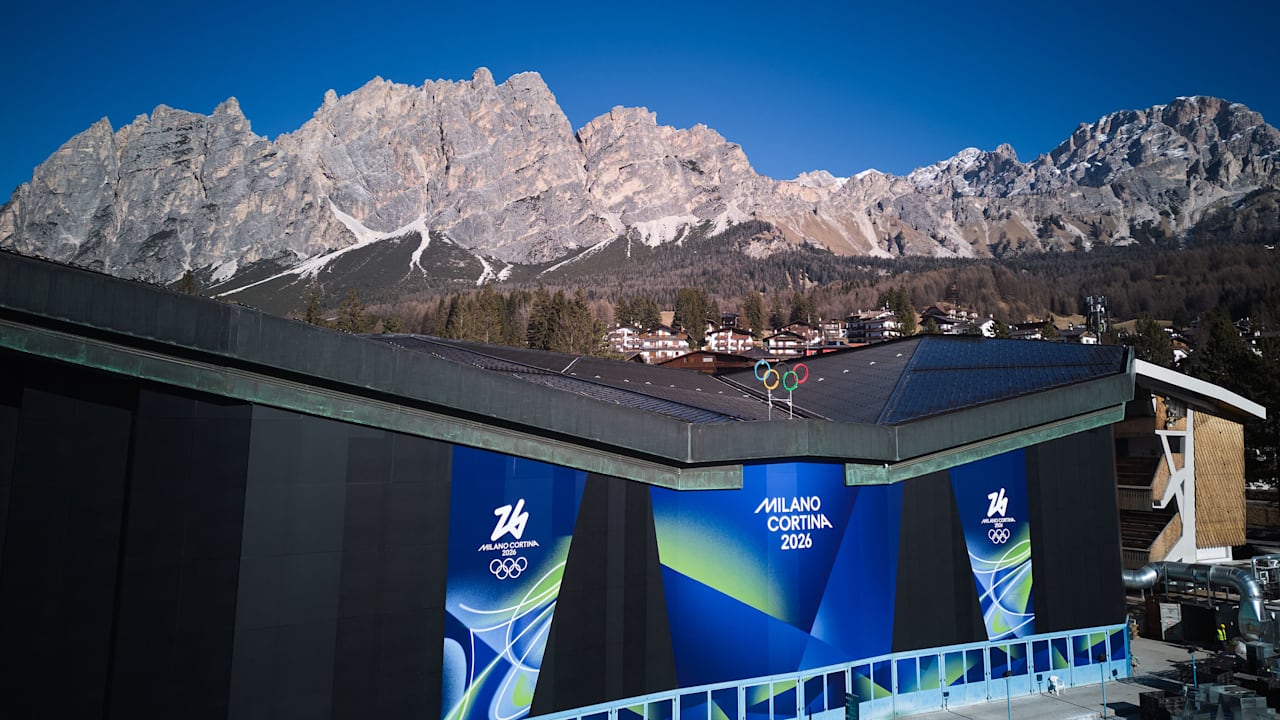
- Renewable electricity will power most competition venues.
- Temporary generators, only to be used as a back-up, will be limited and run on HVO biofuel; almost all snowcats will also use HVO.
- A low-carbon transport plan targets 20 per cent fewer cars compared to Torino 2006, prioritising trains and shuttles.
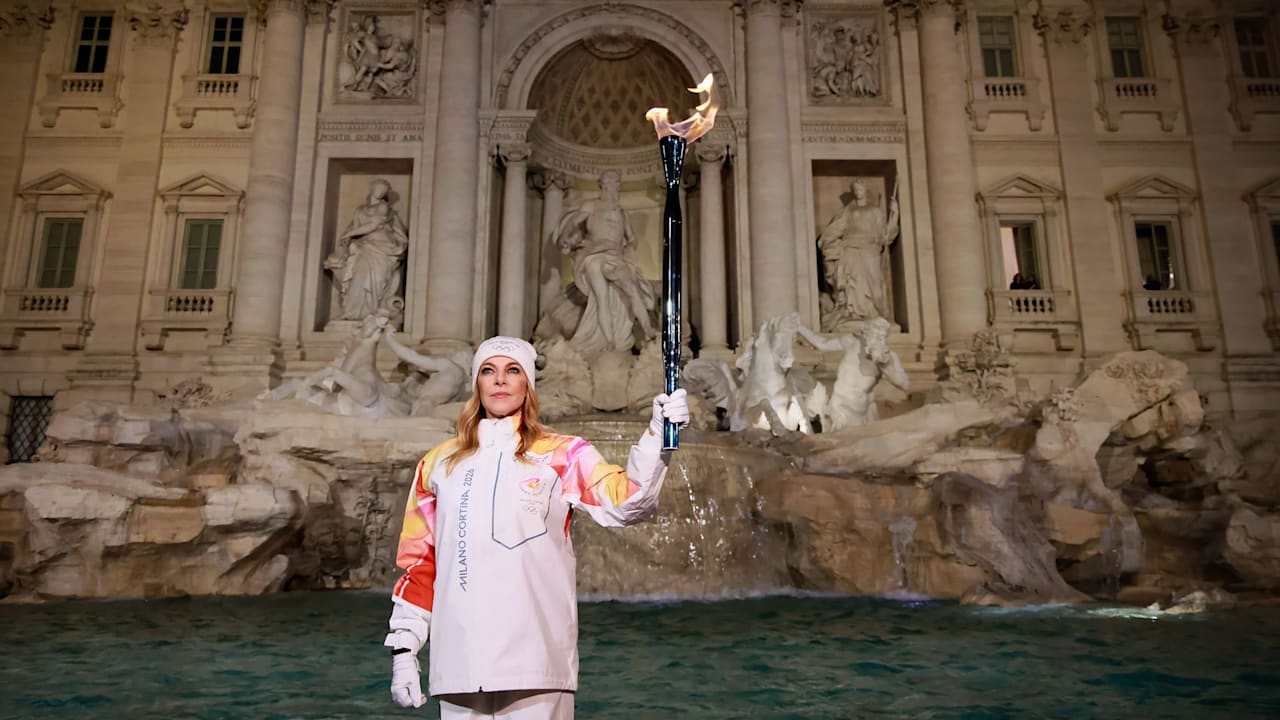
Olympic symbols showcasing sustainability
- The Olympic torch is powered by Bio-LPG from renewable sources.
- The medals are produced using recycled metal, cast with renewable energy.
- Podiums will be adaptable and reused after the Games through community sport initiatives.
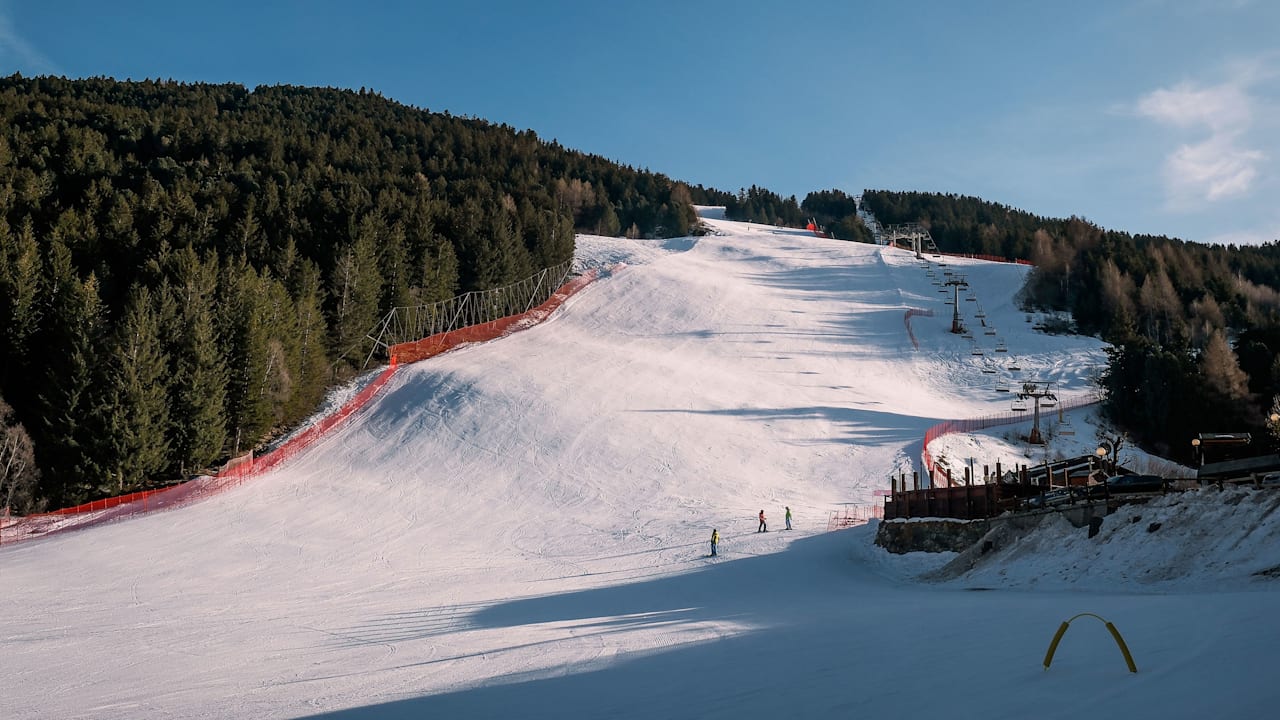
Responsible snowmaking
- Snowmaking is kept at the minimum needed to ensure safe competition.
- Automated, high-efficiency systems and GPS monitoring reduce unnecessary production, cutting electricity use by around 30 per cent.
- Only water, air and energy are used, with no chemical additives, and most of the energy comes from renewable sources.
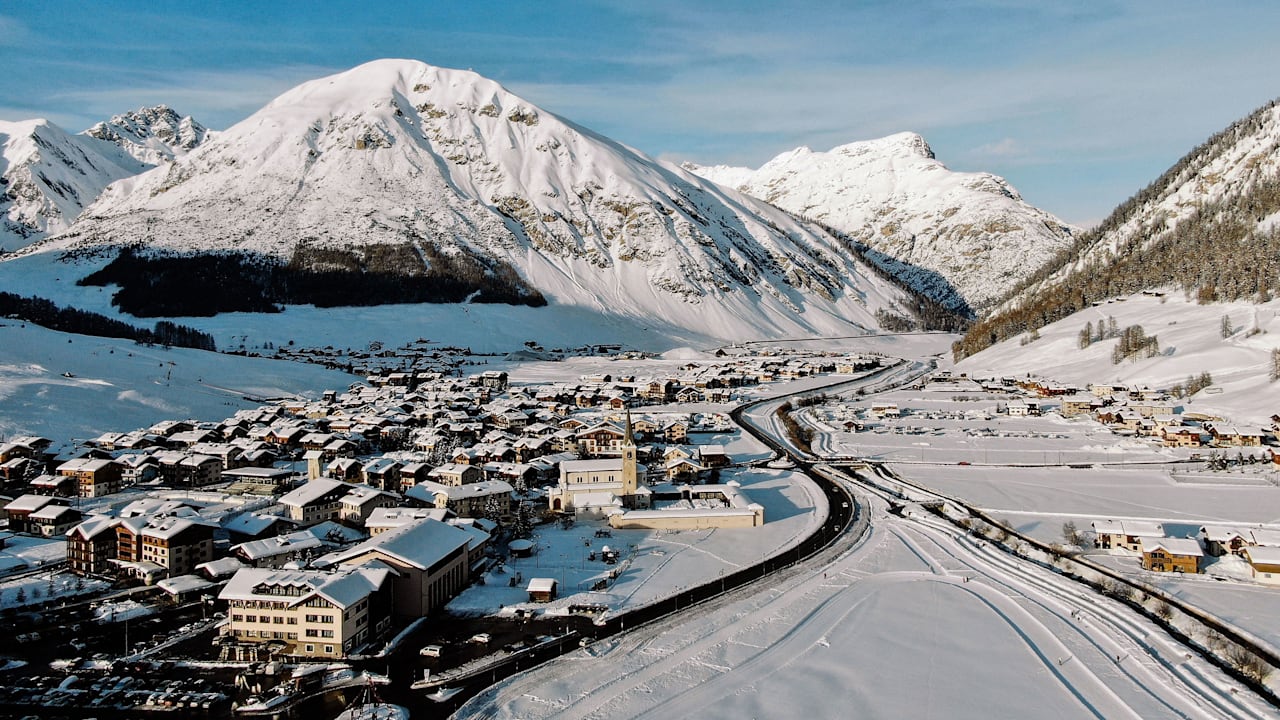
Circular economy, water and biodiversity
- The aim is to recycle 70 per cent of urban waste, recover food leftovers across venues, and reuse around 24,000 items from Paris 2024.
- Strategic Environmental Assessments are being applied across multiple regions to protect fragile ecosystems.
- Biodiversity protection measures such as noise and light reduction are applied in sensitive natural areas, and restoration measures are planned after the Games.
Milano Cortina 2026 is inspiring active lifestyles and strengthening community resilience by accelerating long-term socio-economic development across urban and mountain regions.
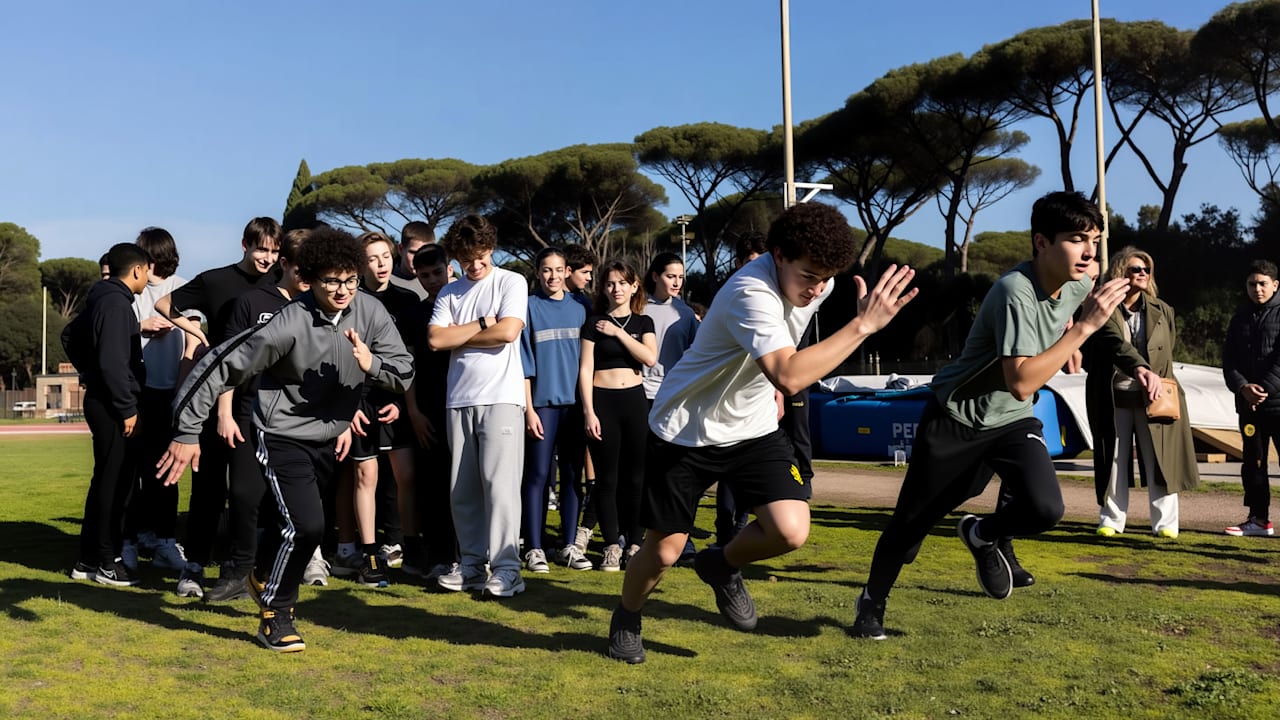
Movement and well-being for all
- For the first time, sport has been referenced in the Italian Constitution, which should result in increased investment at both regional and national levels, following the establishment of a Sports Ministry.
- More than 330 legacy projects are already underway across Italy.
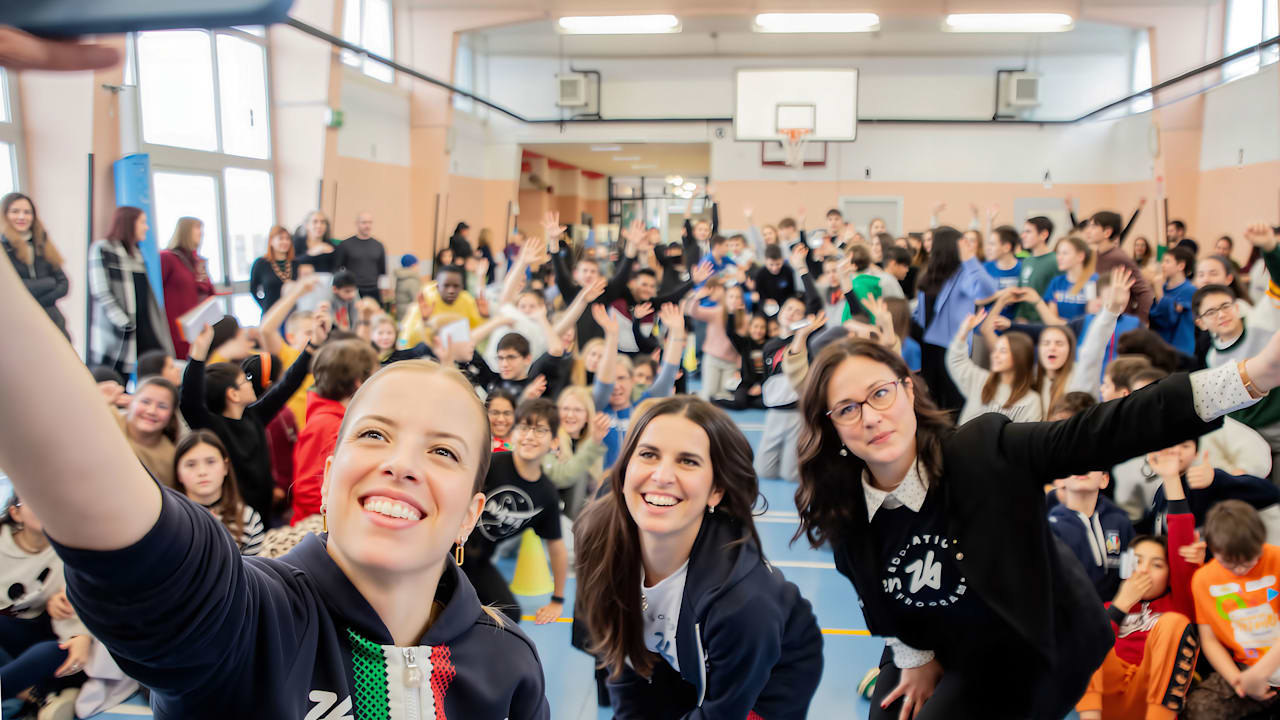
- GEN26, the Games’ flagship education and engagement programme, has involved more than 1.5 million students nationwide in Olympic and Paralympic-themed activities that promote inclusion, teamwork and healthy lifestyles.
- Walking the Games has seen 11,000 students walk more than 1.3 million kilometres, with 75 per cent reporting increased activity.
- The Go for 30 campaign promotes 30 minutes of daily activity for over 430,000 employees nationwide.
- Italia dei Giochi is bringing community sports events to five million participants across the country.
- The Cultural Olympiad has already engaged more than one million people through sport, art and culture.
Strengthening regional development and community resilience
- The Games align with long-term regional strategies on smart energy, sustainable mobility and urban regeneration.
- In Milan, the Porta Romana Olympic Village and Santagiulia Arena are anchoring new, inclusive urban districts, while public transport accessibility is being improved in both Milan and Verona.
- In mountain regions, upgrades to the electricity distribution systems favouring the use of renewable energy are strengthening local energy resilience.
- Modernisation of the Livigno Health Centre, the Codivilla Hospital in Cortina and the San Martino Hospital in Belluno is aimed at ensuring high-level medical services for the broader Upper Valtellina region.
- Existing venues across mountain regions are being upgraded for energy efficiency and waste reduction, ensuring long-term use beyond 2026.
Supporting local athletes, enterprise and skills
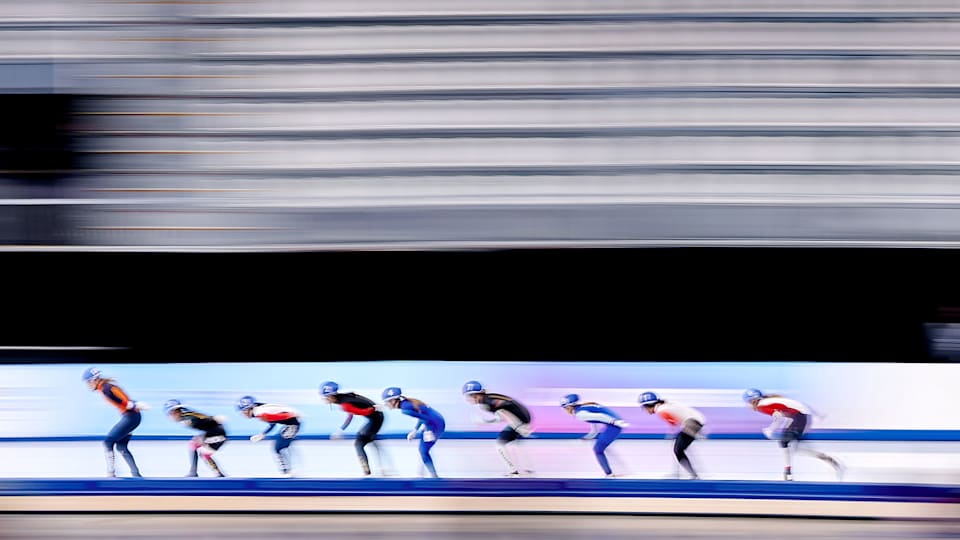
- New measures now support Olympic and Paralympic athletes in combining elite sport with university studies, including EUR 1,000-per-month maternity leave support for up to 10 months, CONI scholarships for athlete mothers, and protection to maintain rankings during maternity leave.
- Through programmes such as “Impact 2026”, organisers are engaging local small and medium enterprises (SMEs) and social enterprises, and are strengthening local skills - helping create jobs and embedding much needed expertise in the host regions.
- More than 400 companies have taken part in training sessions, networking events and calls for tender.
- Around 650 young people will gain hands-on experience through Olympic Broadcasting Services training programmes.
100 Years of Winter Olympic Games
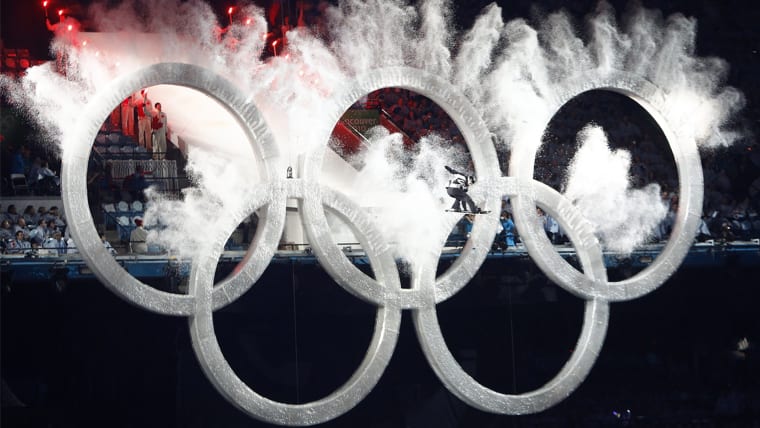
As we look back at the Olympic Winter Games editions, we can trace the story of how the Olympic Games have changed the world of winter sport and created transformative legacies for their host communities.
Additional Media
Images