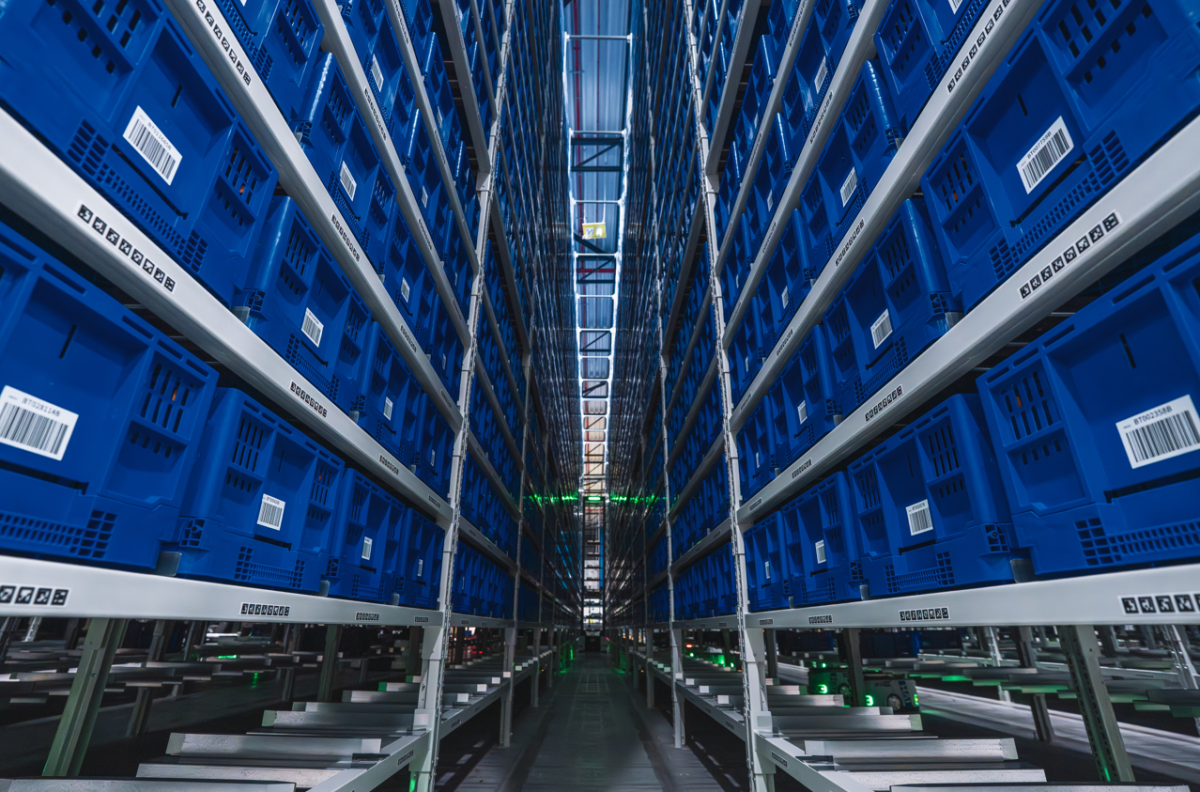
The race to build AI infrastructure is accelerating, but adding capacity is only part of the equation. As investment pours into new data centers around the world, industry leaders are increasingly recognizing that the biggest challenge isn't demand; it's coordinating the many systems required to bring projects online successfully.
In a new Fast Company Executive Board article, Glen Clark, CEO of DP World in the U.S. and Regional Head of Contract Logistics, argues that AI infrastructure has entered a new phase. Success now depends on synchronizing power, logistics, workforce, permitting, and equipment across multiple projects, rather than simply building individual facilities.
AI Infrastructure Is an Execution Challenge
As organizations scale AI deployments, project complexity is growing alongside demand. Bringing data centers online requires multiple interdependent systems to move in lockstep – from utility connections and specialized equipment to construction schedules and regulatory approvals.
Rather than isolated bottlenecks, leaders are managing a network of dependencies where delays in one area can ripple across entire deployment timelines.
Coordination Is Becoming a Competitive Advantage
Today's AI infrastructure projects depend on more than technology. Global logistics, energy availability, skilled labor, and community engagement all play a role in determining how quickly new capacity comes online.
Organizations that can better coordinate these moving pieces will be positioned to accelerate deployment while reducing schedule risk and improving operational resilience.
Read the Full Perspective
As AI investment continues to reshape global infrastructure, execution is becoming just as important as innovation.
In his latest Fast Company Executive Board article, "Scaling AI Infrastructure Is a Synchronization Challenge," Glen Clark explores why coordination – not simply capacity – will determine the next phase of AI infrastructure growth.