New 45-ton electric crane eliminates 60,000 liters of diesel and 160,000 kg of CO₂ annually
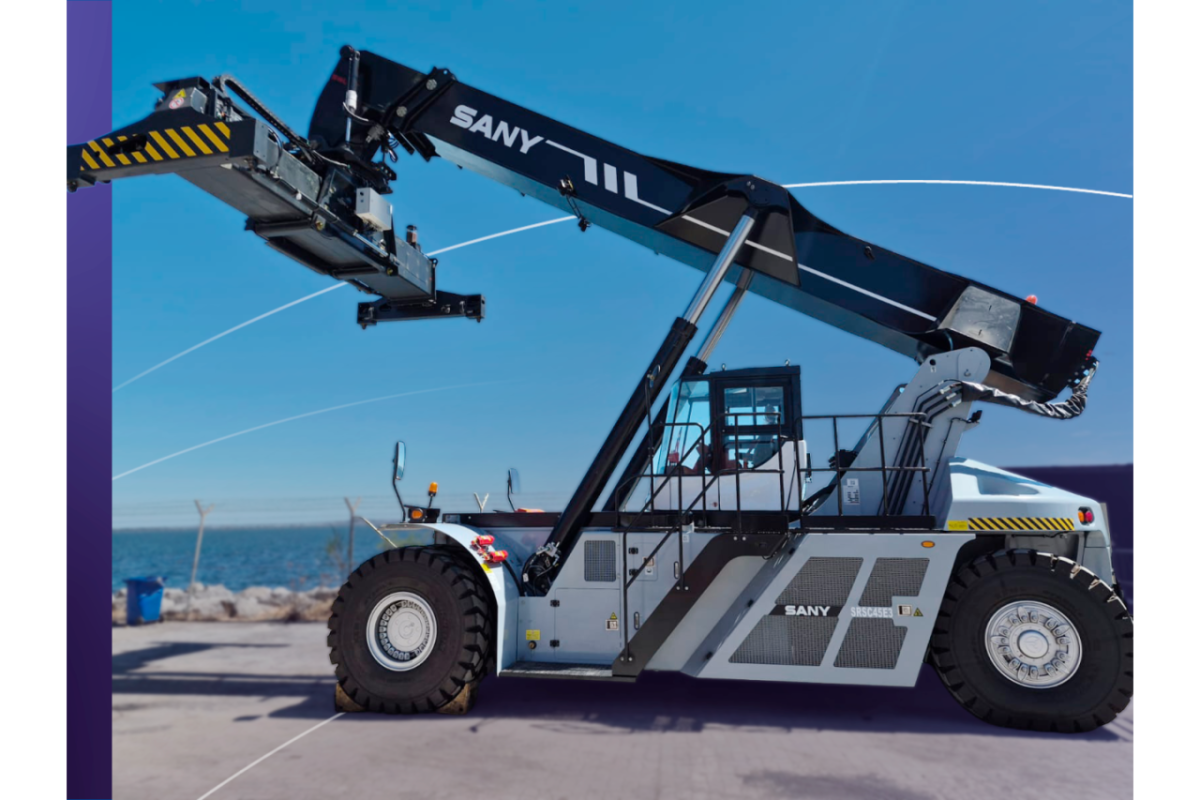
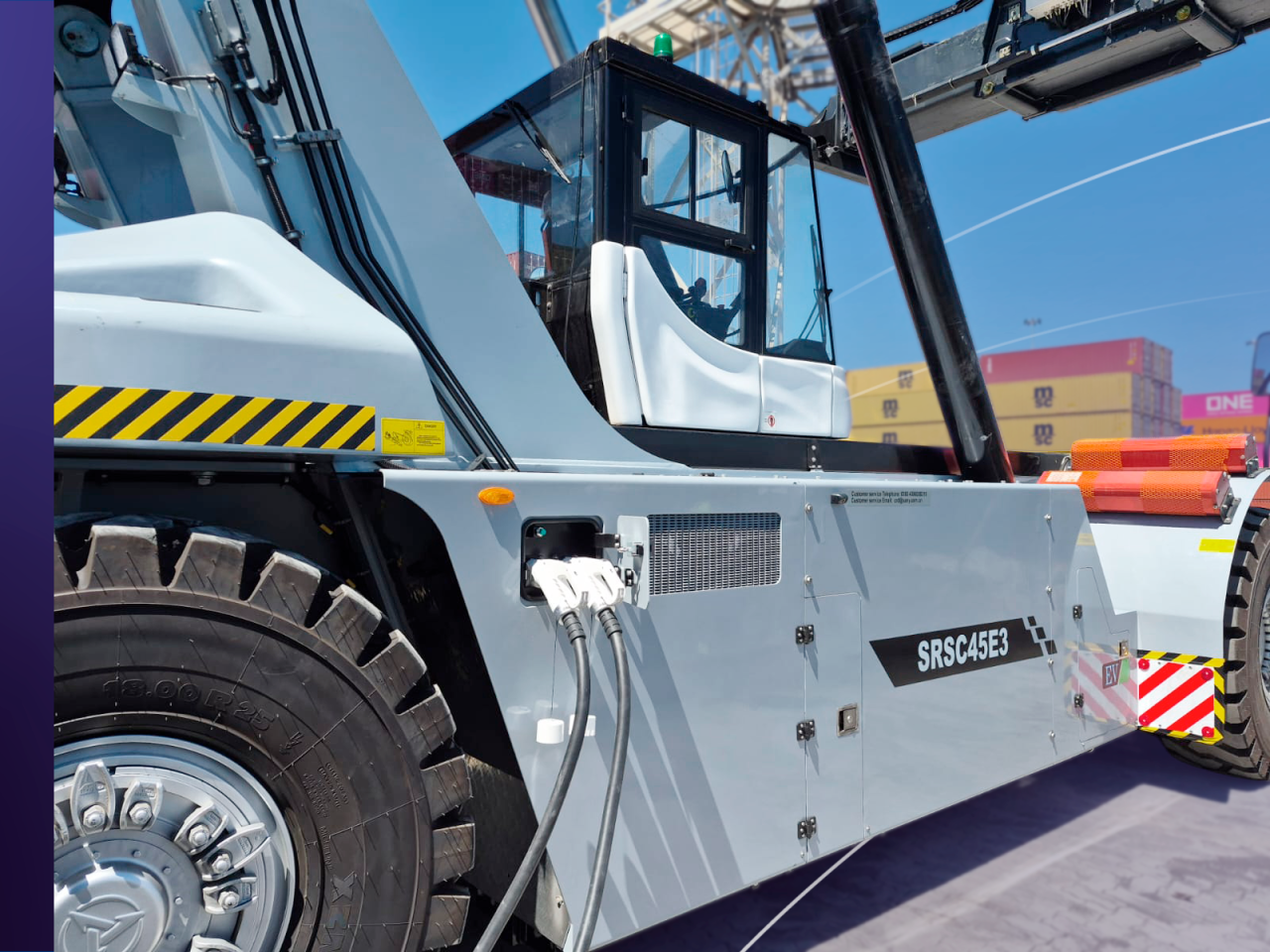
DP World has placed Chile’s first fully electric container Reach Stacker into operation at its multipurpose terminal in Lirquén Port — a move that will eliminate approximately 60,000 liters of diesel annually, equivalent to preventing around 160,000 kilograms of CO₂ emissions each year.
The milestone marks a significant step forward in decarbonizing heavy-duty port equipment — a category traditionally reliant on diesel due to its size, power demands, and lifting capacity.
Reach Stackers — specialized cranes used to lift and stack shipping containers — have historically been difficult to electrify. But advances in battery autonomy and fast-charging systems have now made it possible to power equipment of this scale efficiently and reliably.
The new SANY SRSC45E3 model features a telescopic boom capable of lifting up to 45 tons, modernizing Chile’s port equipment fleet while strengthening renewable-powered operations.
Eliminating Diesel Through Next-Generation Battery Technology
Electrifying heavy port machinery was once constrained by battery limitations. Older lead-acid systems required extended charging times — often sidelining equipment for an entire shift — or cumbersome battery swaps that were impractical given the size and weight of industrial units.
Today, modern lithium-ion batteries have transformed what is possible.
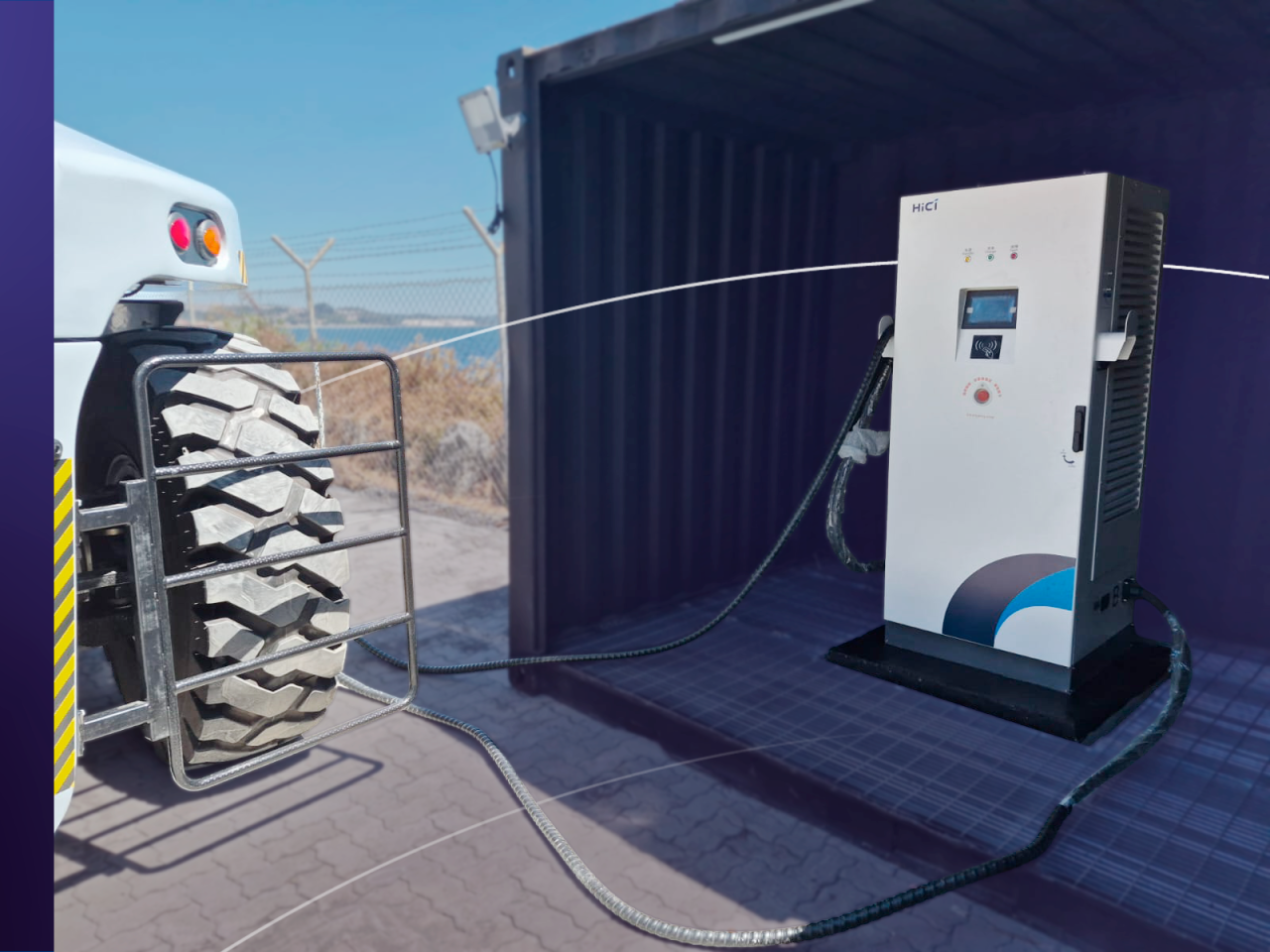
The new Reach Stacker features a fast-charging system that allows rapid recharging and opportunity for charging during downtime or shift changes. This eliminates the need for battery swaps while maintaining operational continuity and productivity.
By replacing diesel combustion with renewable-powered electricity, the unit not only reduces emissions but also operates more quietly — lowering noise pollution within the terminal and surrounding community.
Importantly, the 60,000 liters of diesel savings and 160,000 kilograms of avoided CO₂ refer to just one unit. As additional diesel-powered equipment is replaced over time, emissions reductions will continue to scale.
Powered by 100% Renewable Energy in Chile
The Reach Stacker operates exclusively on certified renewable electricity. All DP World operations in Chile are powered by 100% renewable energy sourced from hydroelectric plants.
In 2021, Chilean energy company Colbun recognized DP World as the first port operator in South America to receive renewable energy certification — laying the foundation for equipment electrification across its terminals.
To support this transition, DP World carried out electrical infrastructure upgrades at Lirquén, including enhancements to one of its substations to ensure sufficient on-site charging capacity for heavy-duty electric machinery. These upgrades align with the company’s long-term investment strategy to further modernize and decarbonize operations.
Building on Sustainable Logistics Leadership in Chile
The launch builds on DP World’s broader sustainability efforts across Chile’s logistics network.
At its San Antonio terminal, DP World has supported Chile’s electric mobility transition by facilitating the arrival of hundreds of electric buses — including one of the largest electric bus shipments in the country’s history.
At Lirquén, DP World has also handled major renewable energy cargo operations, including the unloading of some of the largest wind turbine components ever managed at the terminal, supporting the country’s expanding clean energy infrastructure.
Together, these initiatives reflect a consistent strategy: integrating sustainability not only into cargo handling and logistics operations, but into the very equipment that powers port activity.
Advancing Port Decarbonization at Scale
The commissioning of Chile’s first electric Reach Stacker signals a new phase in port modernization aligned with DP World’s global decarbonization goals.
As battery technologies continue to evolve and supporting infrastructure expands, electrification is becoming increasingly viable for heavy-duty applications once considered out of reach. Ports — as critical nodes in global supply chains — have a central role to play in reducing emissions across trade networks.
By eliminating 60,000 liters of diesel and preventing 160,000 kilograms of CO₂ annually with this first unit alone, DP World is demonstrating how trade infrastructure can evolve to meet both economic and environmental objectives.
From enabling electric mobility to handling renewable energy infrastructure and now electrifying core port machinery, DP World is helping power Chile’s transition toward cleaner, more sustainable trade.
Learn more about DP World’s “Our World, Our Future” global sustainability work.