The organization pre-positions emergency medical supplies and invests in resilient healthcare infrastructure across the U.S. Southeast, Puerto Rico, and the Caribbean
SANTA BARBARA, Calif., May 19, 2026 /3BL/ - Ahead of the 2026 Atlantic hurricane season, Direct Relief is strengthening healthcare preparedness across hurricane-prone regions through pre-positioned emergency medical supplies, resilient power infrastructure investments, and regional emergency response partnerships designed to help healthcare providers maintain continuity of care during disasters.
The announcement comes ahead of the National Oceanic and Atmospheric Administration’s (NOAA) annual hurricane season outlook and the official June 1 start of the Atlantic hurricane season, as healthcare providers across the Southeast, Gulf Coast, Puerto Rico, and the Caribbean prepare for potential disruptions caused by severe weather, prolonged outages, and supply chain interruptions.
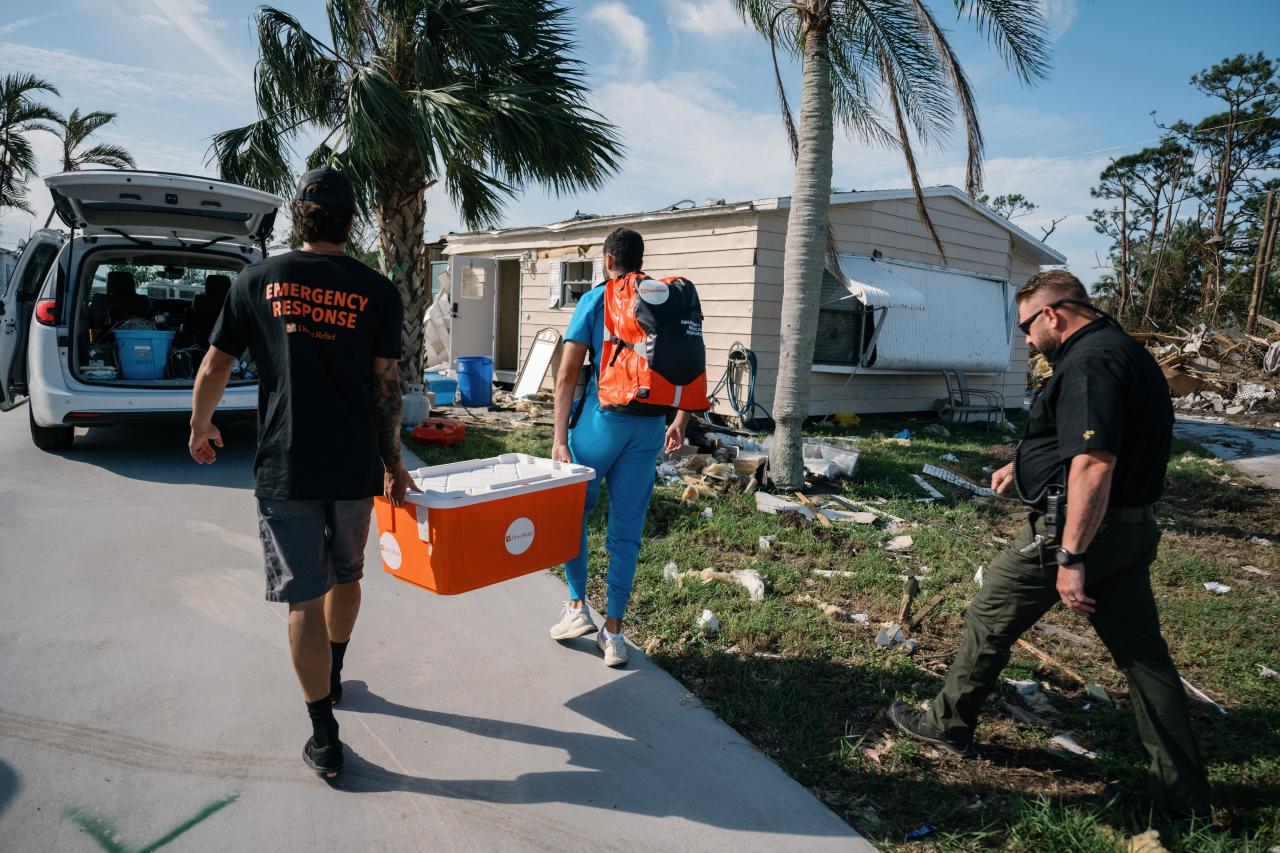
Ahead of hurricane season, Direct Relief is pre-positioning emergency medical supplies stockpiles with more than 70 healthcare providers across the Southeast, Gulf Coast, Puerto Rico, Hawaii, and the Caribbean.
The emergency stockpiles, known as Hurricane Preparedness Packs, contain medicines and medical supplies commonly needed following disasters, including treatments for diabetes, hypertension, asthma, infections, allergic reactions, and wound care. Each domestic stockpile is designed to support approximately 500 patients for 30 days, while larger international stockpiles can support approximately 3,000 patients over the same period.
This year, Direct Relief distributed 72 domestic stockpiles across coastal states from Virginia to Texas, as well as Puerto Rico and Hawaii. The organization used FEMA natural hazards risk data to identify areas with heightened vulnerability and expand preparedness coverage into additional coastal communities.
“The most dangerous impacts of a hurricane often begin after the storm passes,” said Craig Redmond, Chief Operating Officer at Direct Relief. “When clinics lose power, supply chains are disrupted, and patients can no longer access medicines or care, communities can face a secondary health crisis that lasts for weeks or months. Preparedness means strengthening healthcare systems before disasters strike so providers can continue caring for patients throughout the emergency.”
Direct Relief also maintains regional emergency medical stockpiles across the Caribbean through partnerships with the Pan American Health Organization (PAHO), including supplies staged in Panama and Barbados to support rapid deployment following hurricanes and other emergencies.
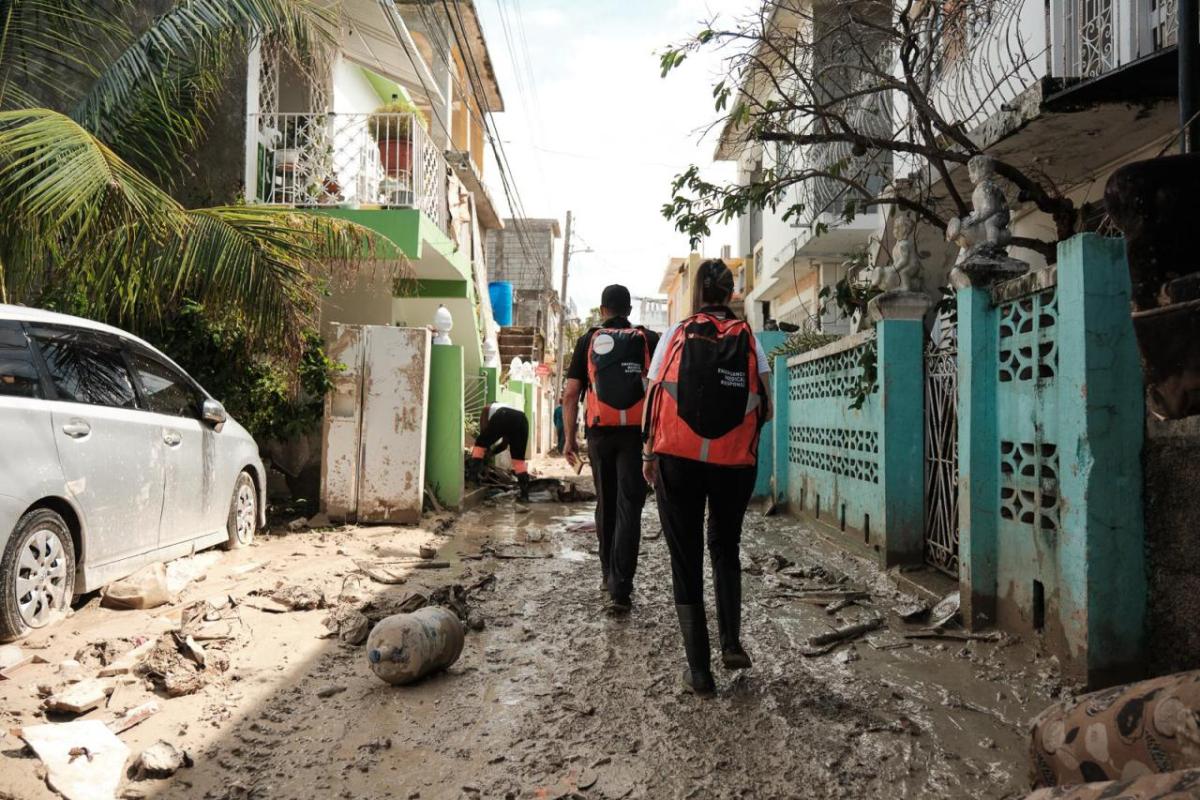
That regional preparedness strategy was activated during Hurricane Melissa in Jamaica in October 2025, when pre-positioned Direct Relief emergency medical supplies staged through PAHO were deployed into affected communities following widespread infrastructure damage.
“Direct Relief’s emergency medical stockpiles have consistently proven to be a timely and effective resource for emergency response operations,” said Dr. Leonardo Hernández, Head of the Emergency Operations Unit at PAHO.
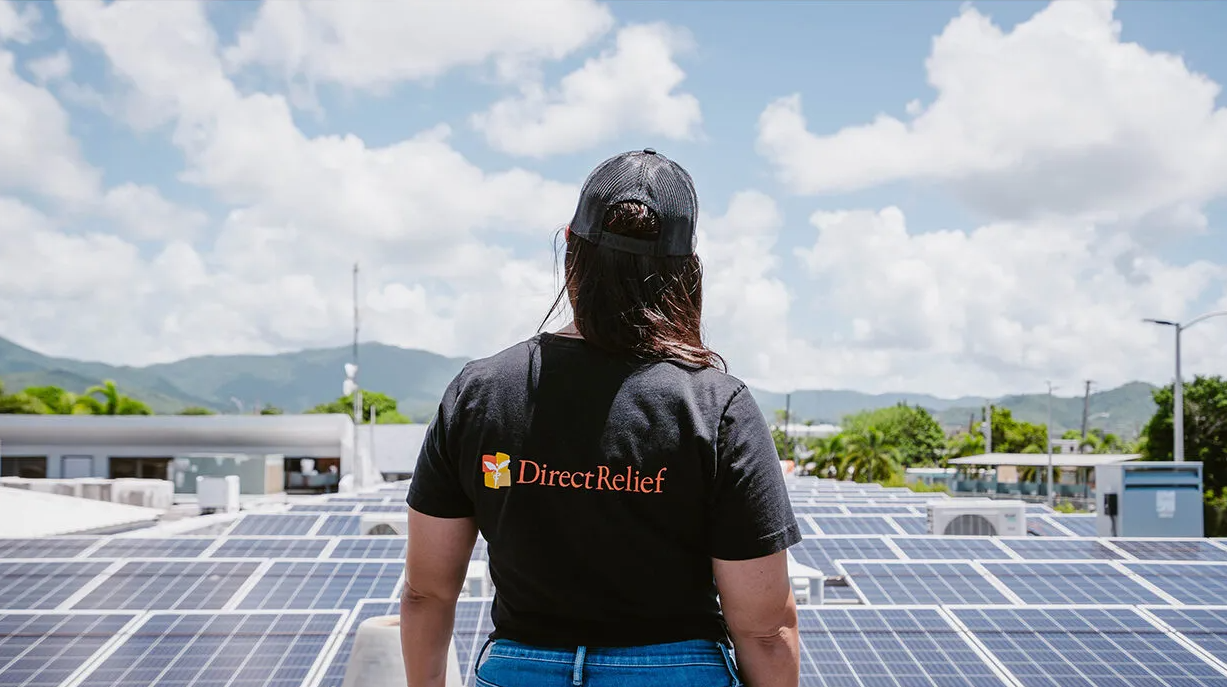
In addition to pre-positioning emergency medical supplies, Direct Relief continues investing in healthcare resilience infrastructure designed to help providers remain operational during prolonged outages and supply chain disruptions. The organization's most recent investment includes more than $5 million to support resilient power at nine healthcare centers across the state of Florida.
Direct Relief has invested a total of $14.7 million in 39 resilient power projects supporting healthcare providers across the Southeast, Florida, and Puerto Rico. The projects include solar-plus-battery microgrids and backup power systems that help health centers maintain refrigeration for medications, operate essential medical equipment, and continue patient care during prolonged outages.
Across the Caribbean, Direct Relief has partnered with the Organisation of Eastern Caribbean States (OECS) on resilience projects supporting medical oxygen infrastructure, pharmaceutical refrigeration, backup power systems, and mobile medical units.
Direct Relief accepts no government funding, allowing the organization to sustain long-term preparedness and recovery efforts independently of public-sector funding cycles.
Additional Media
Images