Climate performance is increasingly embedded into operational decision-making. But the overall trajectory is not yet aligned with a 1.5°C pathway. That is not a failure of intent, it is a signal.
by Lee Green, Vice President, Communications & Marketing, Cascale
Cascale’s latest “Decarbonization Progress in the Apparel, Footwear, and Textiles Industry” report is grounded in verified, facility-level data from thousands of manufacturing sites globally. That matters. It means the insights reflect operational reality, not projections or pledges.
Results show us that there is progress in the system: facilities are improving energy efficiency and reporting is more consistent. Climate performance is increasingly embedded into operational decision-making.
But the overall trajectory is not yet aligned with a 1.5°C pathway. That is not a failure of intent, it is a signal that we have reached the limits of what incremental, company-level improvements can deliver on their own.
The Constraint is Structural, Not Motivational
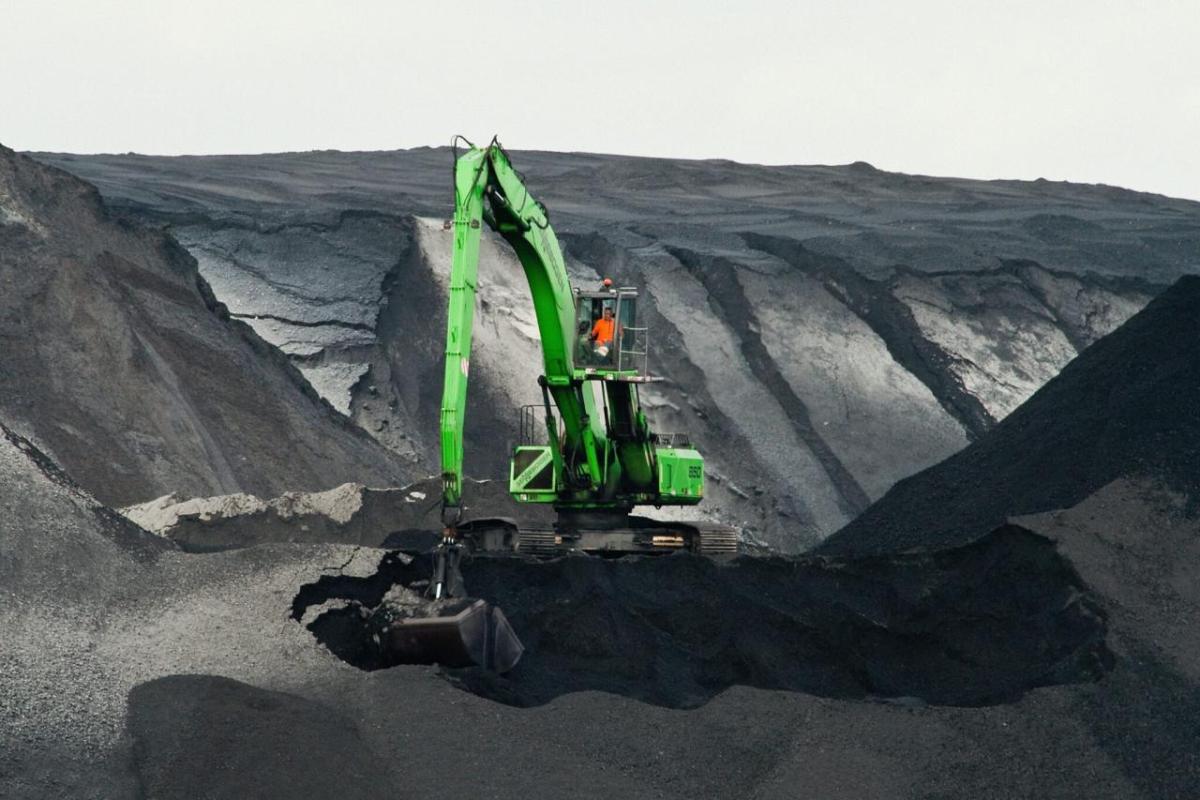
One of the clearest findings from the report is the continued reliance on fossil fuels in key sourcing regions. Renewable penetration remains low in many markets, and coal continues to play a significant role in industrial energy systems.
This is not simply a procurement issue nor something brands or manufacturers can solve independently. Already, evolving European regulation coupled with existing grid challenges creates a “confusing” landscape for Asia-Pacific suppliers looking to decarbonize, as a recent Cascale policy workshop revealed. Efficiency gains help, but they cannot compensate for structural energy realities. If we want emissions reductions at scale, industrial decarbonization and energy policy must move in parallel.
And for that to happen, we cannot overlook the necessity of collaboration, data readiness, and proactive industry engagement. That’s where Cascale has a convening role to play.
Why This Is Now a Public Affairs Issue
The report reinforces something many in the industry already recognize: climate ambition in global supply chains is inseparable from national policy frameworks. Grid decarbonization, renewable access for industrial users, electrification strategies, and financing mechanisms are not abstract policy debates. They are direct determinants of whether climate targets in our sector are achievable.
This is where Cascale’s role becomes more assertive.
We are not simply publishing data. We are providing an evidence base that can inform smarter, more implementable policy. Verified facility-level data gives policymakers insight into where emissions are concentrated, where barriers exist, and where intervention can be most effective.
Regulation that reflects operational reality is more likely to drive impact. Regulation layered on top of fragmented reporting systems risks adding burden without accelerating emissions reductions.
Alignment matters.
From Fragmentation to Alignment
The data also highlights the opportunity in greater coherence. As climate-related disclosure and due diligence frameworks evolve globally, there is a risk of increasing complexity for manufacturers and brands.
At the same time, there is an opportunity to align regulatory expectations with credible, existing data systems. When policy frameworks and industry tools move in the same direction, implementation becomes more efficient and more scalable.
Cascale is uniquely positioned at that intersection: between brands and manufacturers, between data and policy, between ambition and implementation. We see firsthand where the barriers lie. That perspective is invaluable in informing how policy evolves. From callouts at COP30 to mentions by the European Financial Reporting Advisory Group (EFRAG) in a recent report, our team is grateful to see our contributions increasingly recognized where it counts for industry-wide change
The Next Phase of Decarbonization
The industry is not standing still. The report shows real effort and measurable improvement, but progress at the current pace will not close the gap on its own.
The next phase of decarbonization in apparel and textiles will depend on coordinated action across industry, governments, and finance. Energy systems must transition faster and industrial users need clearer pathways and incentives. Policy must be designed with operational feasibility in mind. It must understand the realities on the ground.
Today, the data gives us a shared reference point. The responsibility now is to use it to shape the conditions that enable faster change. That is not just a sustainability challenge. It is a policy one.
Read the latest APAC political priorities paper to further understand the state of play for industry decarbonization.
ABOUT CASCALE
Cascale is the global nonprofit alliance empowering collaboration to combat climate change and support decent work in the consumer goods industry. Formerly known as the Sustainable Apparel Coalition, Cascale stewards and governs the Higg Index frameworks, modules, and methodologies, while Worldly delivers the technology platform through which they are implemented globally. Cascale also recently acquired the Better Buying and Sustainable Furnishings Council tools. Cascale unites over 300 retailers, brands, manufacturers, governments, academics, and NGO/nonprofit affiliates around the globe through one singular vision: To catalyze impact at scale and give back more than we take to the planet and its people.