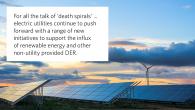
For years, utilities have struggled to define the more responsive operational systems and customer-centric performance models that would trumpet the arrival of Utility 2.0. Lacking a singular event marking the shift, it seems more likely a steady, incremental advance through technology deployments, analytics and a focus on customer engagement represents the path towards a continually evolving future state.
As one of the world’s largest buyers of market pulp, Kimberly-Clark knows that protecting forests is critical to addressing climate change, conserving terrestrial biodiversity and ensuring a resilient, healthy supply chain, so sustaining this natural resource through responsible forestry is just one of the ways we care for the planet.
Last year, renewable energy sources represented more than half the new power capacity around the world.
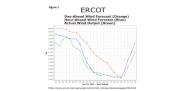
While this is an important step toward achieving a clean energy future, successfully integrating this large amount of renewable generation into the current U.S. transmission system – in a safe and reliable manner – is currently a monumental challenge. The intermittent nature of both wind and solar challenges our ability to fully depend on these resources. As we see in Figure 1, not only is wind energy variable, but it can also defy forecasting – even “hour-ahead” forecasting.
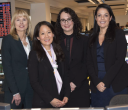
Women in Capital Markets (WCM), a non-profit advocacy organization which promotes the entry and advancement of women into leadership roles in the financial sector, announced seven recipients of the 2017 WCM Executive Coaching Award at a reception in Toronto.
Into the Wild: An Immersive Virtual Adventure, is the latest permanent development at Marina Bay Sands’ ArtScience Museum in Singapore. The virtual reality adventure transforms nearly 11,000 square feet into a virtual rainforest, which can be explored using one’s smartphone device.
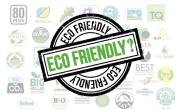
With eco credentials proliferating and corporations looking to capitalize on the sustainability trend, greenwashing is becoming more common. Domtar remains truthful by following the Federal Trade Commissions' Green Guides.
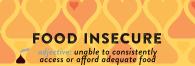
Every year Merriam-Webster, the word authority, expands its dictionary. This year, I took particular notice of one of those new words: food insecure. It’s an important recognition of the 50 million Americans who struggle every day to get adequate nutrition (Source USDA) including 13.1 million children (source Feeding America).
Gaining as much value from the supply chain as possible while meeting consumer expectations for sustainably and ethically produced products is a difficult balance to achieve. To do so successfully, companies need to identify where threats exist across the supplier network and implement iterative mitigation strategies.