The eight-week live online program, open to students and professionals around the world, helps participants lead lasting change and embed sustainability in business strategy through a real-world capstone project. Applications close Jan. 30, 2027.
Findings from the 2026 Wood Furniture Scorecard spotlight industry leaders – including Cascale corporate members Target and Williams-Sonoma – while calling for stronger commitments to eliminate deforestation risks across supply chains.
For the one in four Americans¹ caring for a family member or friend, caregiving can mean managing medications, extra trips to the pharmacy or learning to handle a new health need – often on top of work, children and everything else.
Chemours helps build a more circular economy by improving manufacturing processes that close the loop on water and waste and promoting product and packaging reuse and recycling.
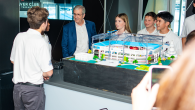
Trane Technologies and the Carolina Panthers hosted the 6th annual Stadium of the Future STEM Challenge, where local students designed sustainable stadium concepts. Hopewell High won, and the top 3 schools earned $20,000 in STEM grants.
Entergy is celebrating the 25th anniversary of its Environmental Initiatives Fund. During that time, Entergy shareholders have contributed nearly $45 million to community-based environmental projects across the region.
Designing medical devices around real-world human needs can reduce physical and cognitive burden, improve the care experience, and help patients participate more actively in their care.
Novata, the sustainability data management platform for private markets, today released the “2026 State of Sustainability Report,” the second edition of its annual research examining the priorities, challenges, and opportunities facing sustainability teams today.
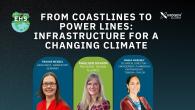
In this final episode of the series, host Angélique Dickson, President of Inogen Alliance, is joined by Manea Sweeney from Tonkin + Taylor in New Zealand and Frauke Menzel from GINGER HPC in Germany to explore climate and infrastructure resilience.
Massachusetts purchased nearly 316,000 EPEAT registered products in FY2023–FY2025, saving an estimated $9.44 million and avoiding more than 50,000 metric tons of GHG emissions. A new Global Electronics Council case study shows how procurement drives climate action.