Sustainable Cities and Communities

Corporate stories about Sustainable Cities and Communities across 3BL's network.

Latest in Sustainable Cities and Communities

Cargill Signs CEO Letter to President Trump: Stay in Paris Climate Agreement
With their open letter, the CEOs weigh in as the administration considers backing out of the climate pact, which aims to reduce global greenhouse gas emissions. “Based on our vast experience doing business all over the world, we believe there is strong potential for negative trade implications if the United States exits from the Paris Agreement,” they said, making a strong stand for trade, economic growth and innovation.
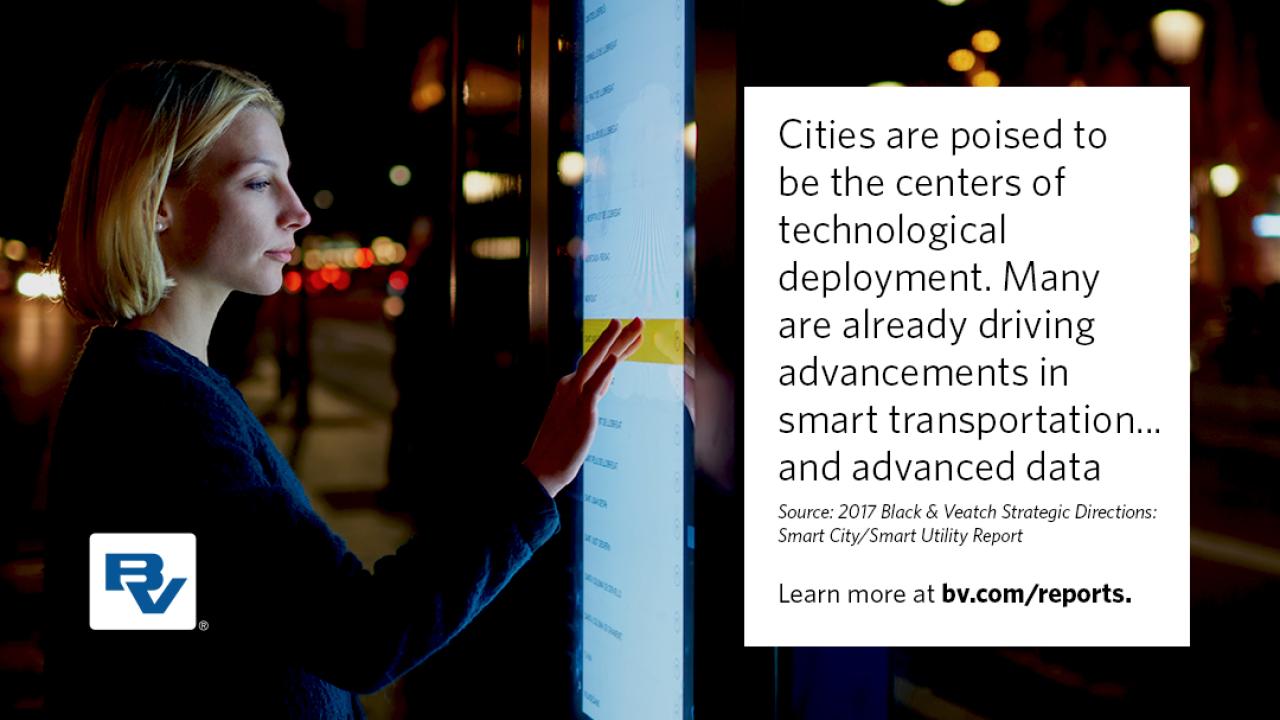
Collaboration, Creativity and Planning Will Define Smart Cities
The rise of the smart city will rely on the ability of stakeholders to collaborate, engage citizens and act on data. Partnerships are hard at work and planning is under way to overcome the legacy of siloed services, focus on integrated systems that will ultimately be more adept at delivering critical services, empower communities and elevate our quality of life.
Bechtel's 2017 Sustainability Commitment
Bechtel Highlights Commitment to Sustainability in 2017 Top CEOs Association Report. The Business Roundtable (BRT) is an association of chief executive officers of leading U.S. companies working to promote sound public policy and a thriving U.S. economy.

National Rebuilding Month: Get Involved
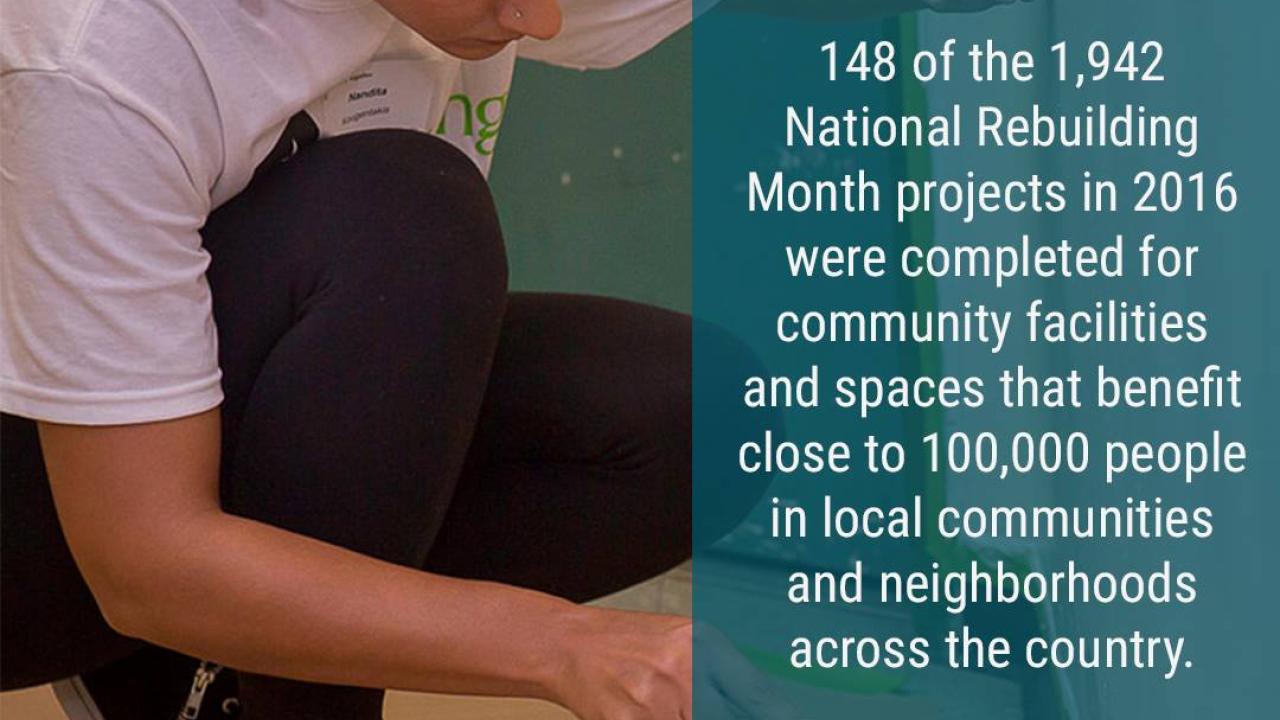
Last year for National Rebuilding Month, 148 of the 1,942 rebuilding projects were completed for community facilities and spaces, which collectively impacted 100,000 people across the country.
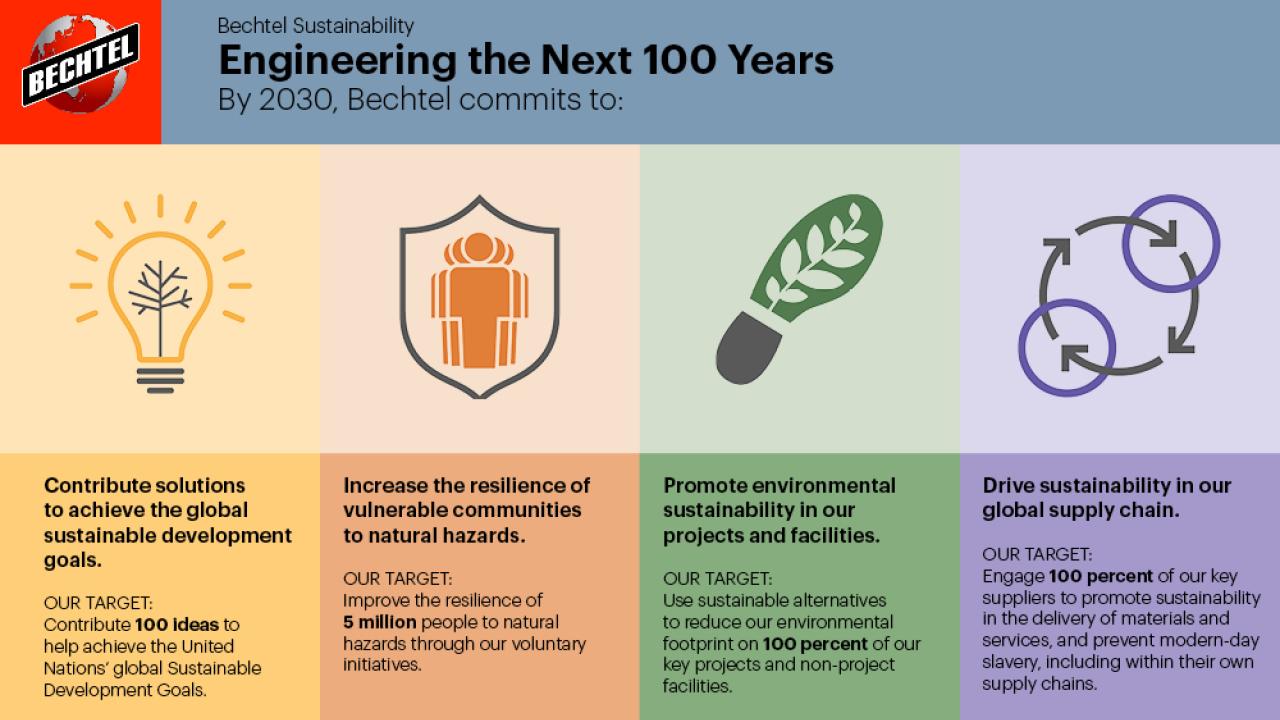
Bechtel Launches Long-Term Sustainability Targets
Bechtel, a global leader in engineering, procurement, and construction, announced a set of ambitious long-term targets to increase the company’s contributions to global sustainability. The goals and targets are part of Bechtel’s ongoing and comprehensive strategy to further integrate sustainability within the company.
Long-Term Planning Critical to Harnessing Distributed Energy Resources
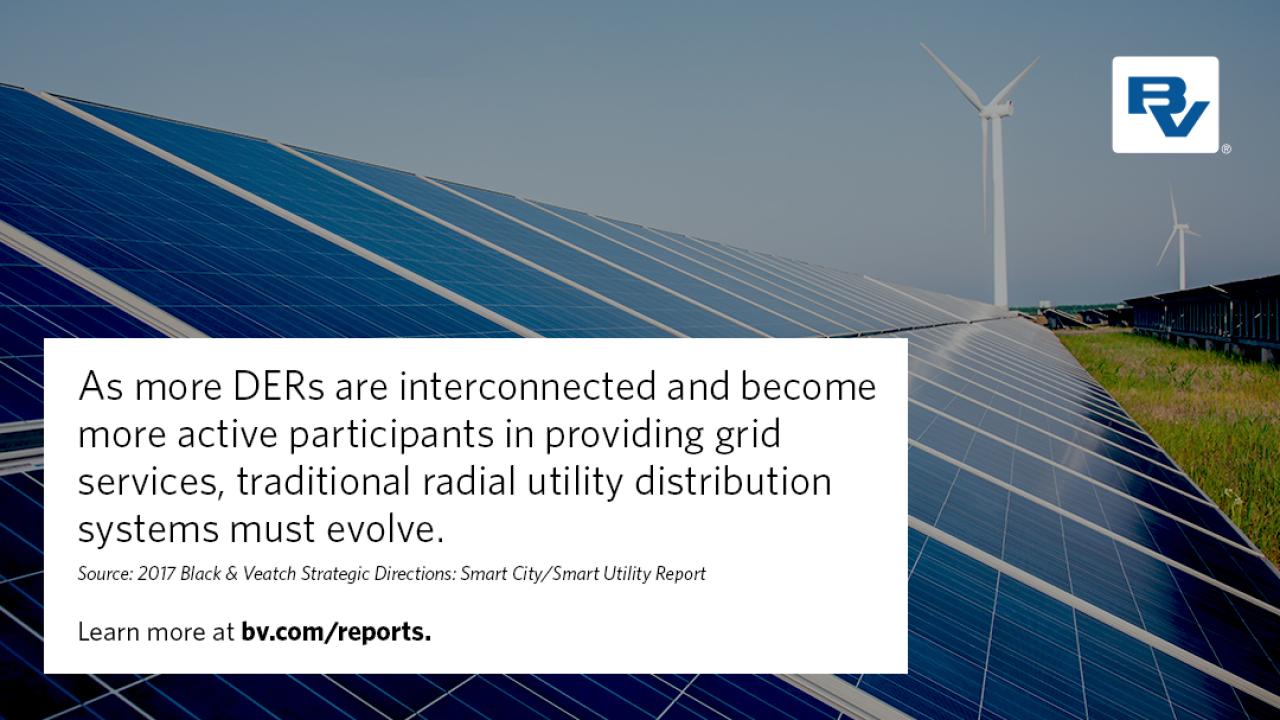
As more and more customers begin exercising more control over how and where their energy is produced, utilities have a responsibility to make the appropriate infrastructure investments that will optimize smart grid benefits for all stakeholders.
This Earth Day, the World is Investing in the Most Valuable Asset We Have
Tamara Coger of Tetra Tech’s Environment and Natural Resources sector discusses the benefits of investing in sustainable natural resources management to people, societies, and economies around the world. All opinions expressed in this post are the author’s own.
Epic Investment Trends in Smart Distribution Systems
Historically, most utility capital investments focused on regulated generation and transmission assets that provided the basis for customer rates structures and returns. But the growing interconnectivity within utility assets and electric distribution networks now requires a more holistic approach to planning, and many regulators are requiring utilities to invest in distribution under similar reliability mandates to those governing generation and transmission markets.
When Energy Storage Joins the Blockchain the Entire Energy Community Benefits
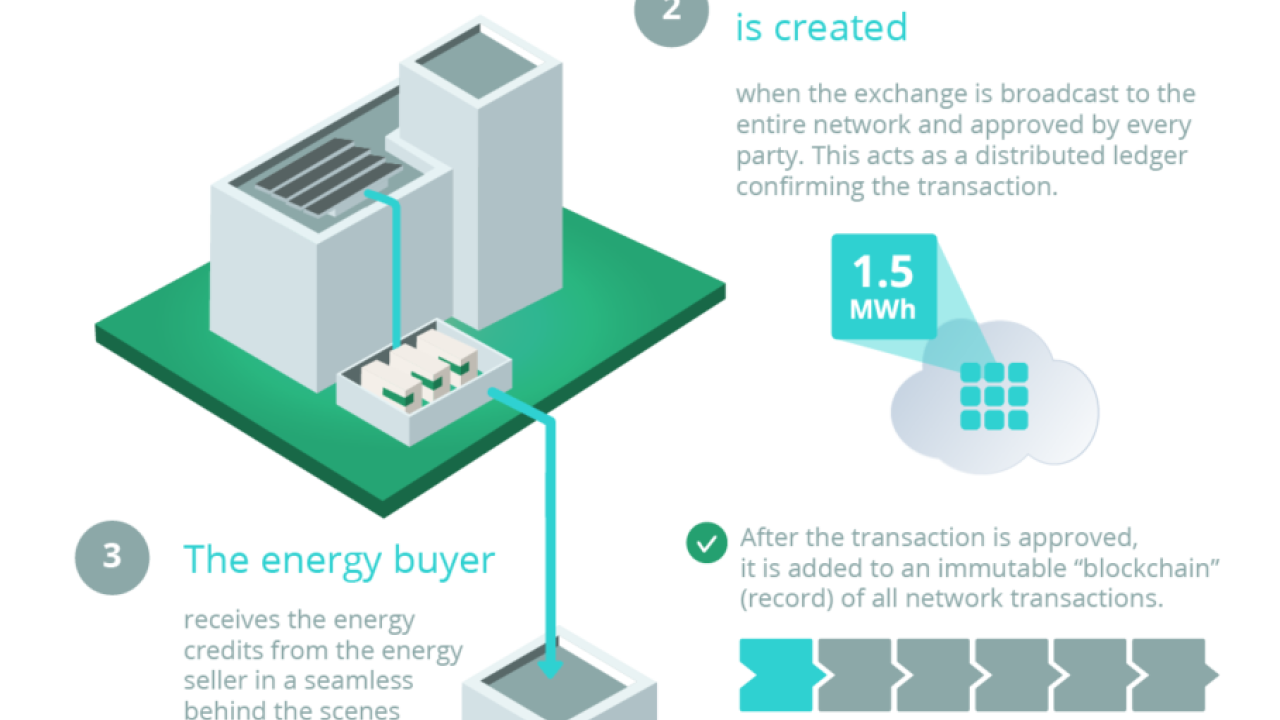
Answering the call for increasing energy self-reliance, a grassroots electricity-sharing model is emerging. “Community microgrids,” comprising community-owned or subscribed solar PV and other renewable energy sources, offer participants and surrounding consumers the security of energy resilience in times of grid failure and protection from energy price increases driven by volatile energy markets.
Shifting to a Digital Grid Forces System-Wide Grid Modernization
We are at the dawn of the Fourth Industrial Revolution, defined by its velocity and volume, scope and scale, and systems impact. The foundation of this new era is squarely built upon the success of the "digital grid." The first three revolutions—defined by the introduction of steam and mechanization, electricity and computing, respectively—all had profound societal impacts, but they lacked the exponential rate of technological breakthroughs and complexity that define the fourth.