Solar

Corporate stories about Solar across 3BL's network.

Latest in Solar
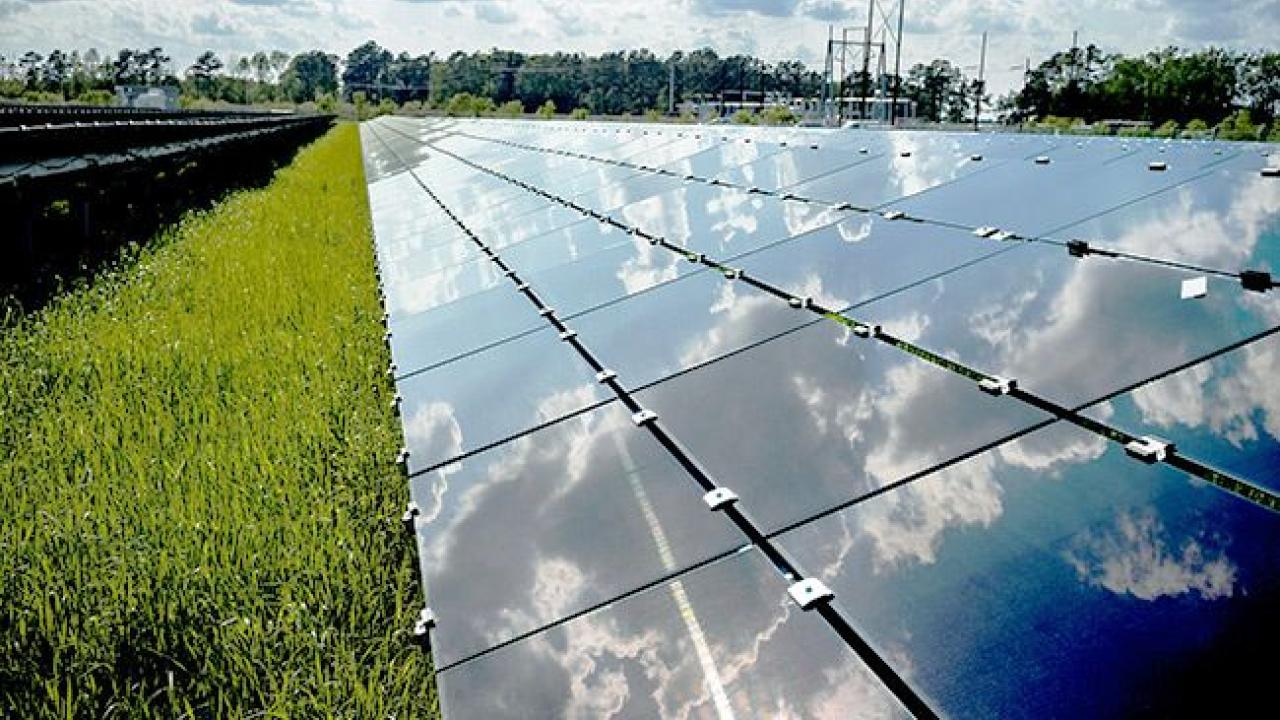
Duke Energy Utility Issues Historic $1 Billion Green Bond Offering
Duke Energy Carolinas, a subsidiary of Duke Energy (NYSE: DUK), has completed its inaugural issuance of $1 billion in green bonds that will finance eligible green energy projects – including zero-carbon solar and energy storage – in North and South Carolina. This represents one of the largest green bond transactions issued by a utility.
Shining a Light on Government Support of Emerging Industries – New Research by Former Erb Postdoc Panikos Georgallis
Emerging industries depend on government support to grow, but they may be seen as threats to an incumbent industry, and they need to prove their technical feasibility and market promise. So how do emerging industries garner government support? A group of researchers led by former Erb Institute Postdoctoral Fellow Panikos Georgallis set out to demystify the conditions under which emerging industries get government support.
WEBCAST | Powering Inclusion Through Solar Handprints: An Innovative Partnership
In this one-hour pre-recorded webcast, George Bandy Jr. of Mohawk Industries and Michelle Moore of Groundswell discuss their unique partnership in aligning environmental stewardship with social equity. You’ll discover how solar energy-focused, community-building initiatives can be implemented into a corporate social responsibility framework, empowering inclusion and transformation while addressing global concerns.
Schneider, Eastlands College of Technology Launch Electric and Solar Lab
“The lack of well-trained electricians and engineers in the electrical and energy fields is a major obstacle to the successful and sustainable development of a number of regions in emerging economies,” says Edouard Heripret, General Manager East Africa, Schneider Electric.
eBook: Putting Energy Storage to Work for California’s K-12 Schools
Battery-based energy storage is a proven technology that can enable your schools to use more self-generated solar power and help stabilize the grid, while significantly reducing district energy costs.
Businesses Commend Gov. Cooper’s Plan to Bolster North Carolina’s Clean Energy Economy and Reduce Emissions
Businesses lauded Gov. Roy Cooper for taking action to rapidly transition North Carolina to a clean energy future in a move that will benefit all North Carolina residents by strengthening the state economy and reducing greenhouse gas emissions.
Secure. Affordable. Responsible. With Renewables, Have All 3
Global institutions today face what is known as the energy “trilemma”—the need to balance energy security with energy that is both affordable and environmentally responsible. The U.S. Energy Information Administration (EIA) currently projects that world energy consumption will increase 28% by 2040. Simultaneously, the energy delivery system around the world is expected to undergo massive disruption in the forms of decentralization, digitization, and decarbonization.

Futureproofing energy supply has become a predominant goal for managing risk and resilience for a majority of companies.

An enormous opportunity exists for organizations with distributed energy load to act by acquiring renewables.
Duke Energy Aims to Expand Solar Power to Non-residential Customers Without Large Upfront Investment
Duke Energy wants non-residential customers to have another option to install solar power on their premises. The company recently filed to be a certified solar lessor with the North Carolina Utilities Commission (NCUC). Duke Energy Clean Energy Resources (DECER), a non-regulated affiliate of Duke Energy, will build, own and operate on-site solar facilities that will allow customers to access renewable energy without a large upfront investment. DECER is not financially supported by either Duke Energy Carolinas or Duke Energy Progress, Duke Energy's operating companies in the Carolinas.
Unnatural Instincts: The Trump Effort to Rollback Critical Climate Regulations Is Bad Science and Bad Business
The scale of these rollbacks — measured in GHG emissions, in economic costs to be paid and benefits to be lost, and in human lives — is breathtaking. These rollbacks not only reveal a bad “instinct” for science, they also show a bad sense for business.
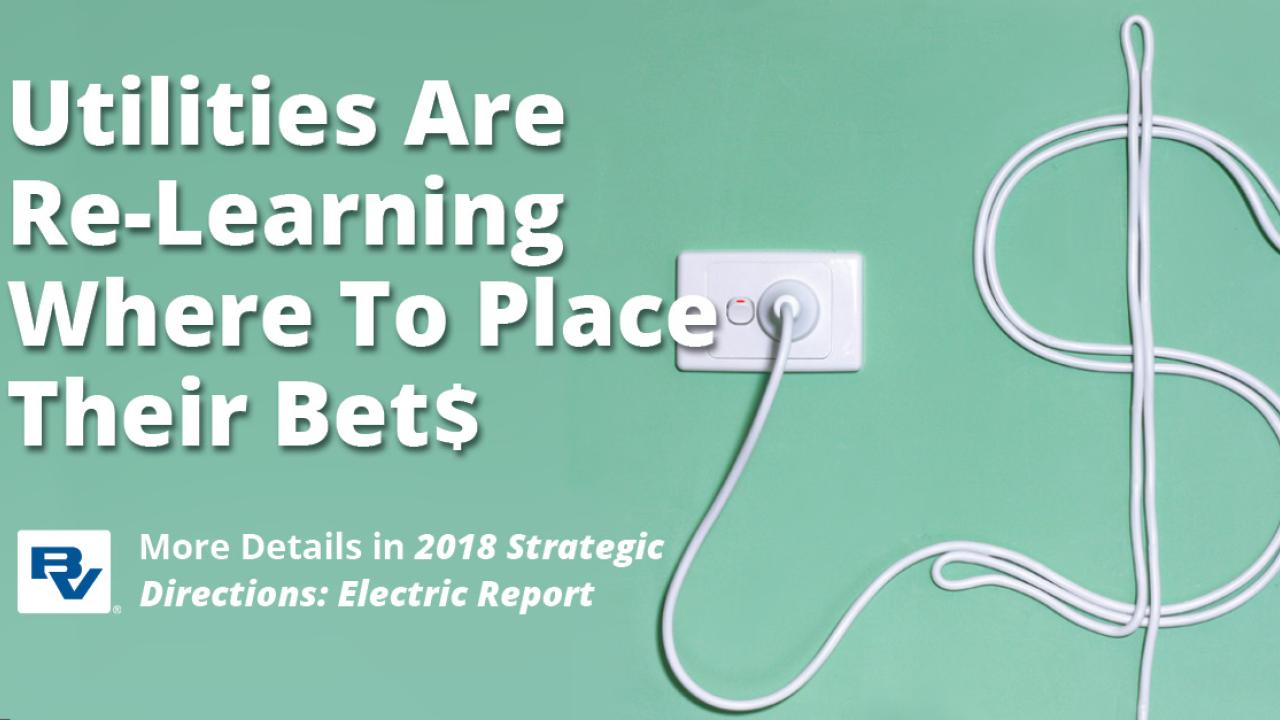
Old Capital Allocation Strategies Require New Thinking
The electric utility industry is in the middle of a transformation that has no precedent. Historically speaking, delivering electricity was relatively simple; utilities generated power and provided it to customers over a one-way delivery system. Companies requested, and utility regulators granted, periodic rate hikes to cover infrastructure upgrades while providing a reasonable rate of return on that investment.