The Ray's Roadside Trials with Sorghum
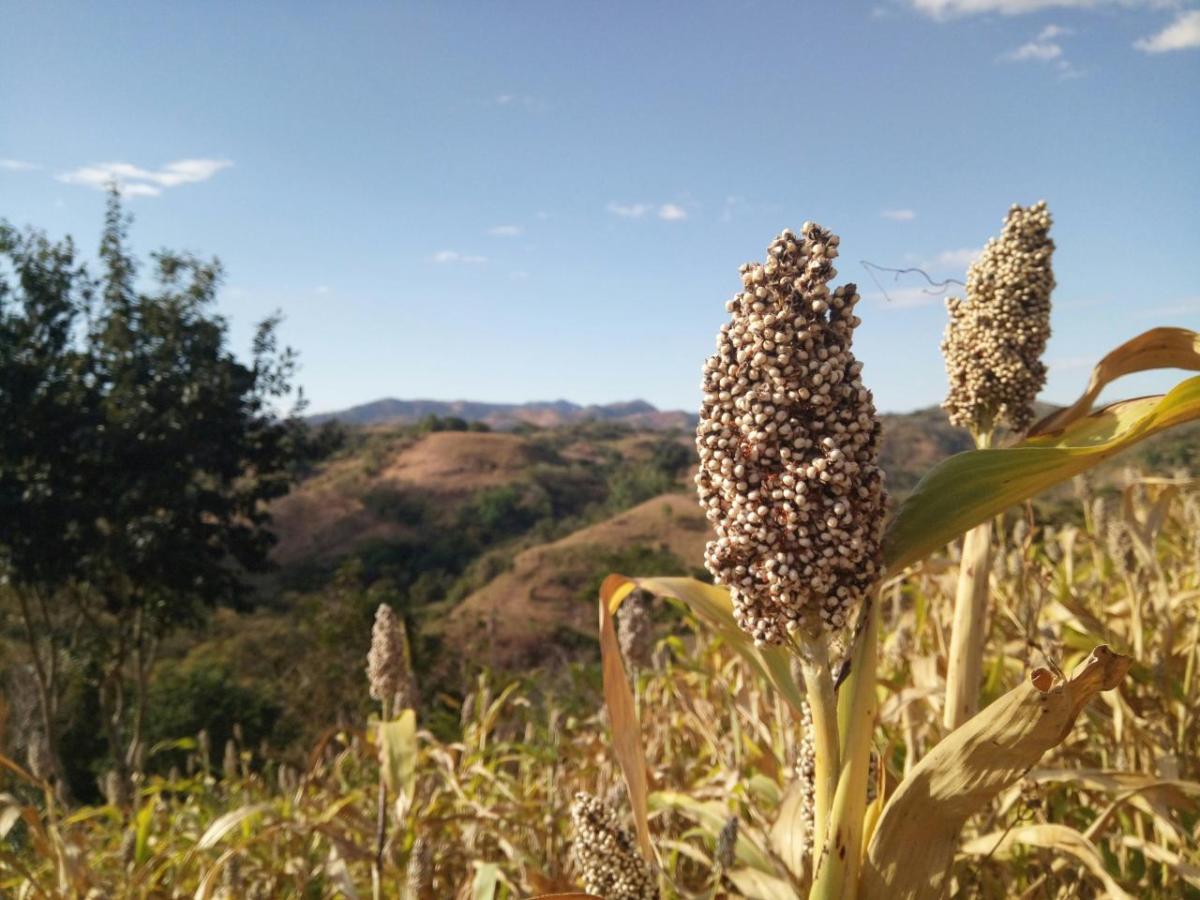
The Ray's approach to natural capital is rooted in treating the highway right-of-way (ROW) as a high-functioning asset. Last October marked the successful completion of the first year of their Sorghum Roadside Trials, a pilot project proving how specialized, resilient cereal crops can solve legacy infrastructure issues through biological engineering.
The selection of sorghum as a roadside pilot species is based on its dual capacity to function as a biological filter and a mechanical soil stabilizer. By establishing these biological assets along their testing corridors, they are demonstrating measurable advantages across three key areas:
Phytoremediation & Water Quality: Sorghum’s expansive root system acts as a natural subsurface filter, drawing vehicle-deposited heavy metals (such as lead and zinc) from the soil and locking them within the plant’s biomass before they can wash into local watersheds.
Subsurface Aeration & Slope Stabilization: Penetrating up to six feet deep, sorghum roots naturally break through heavily compacted roadside soil to improve stormwater absorption. This robust, interlocking root architecture anchors slopes far better than traditional turf grass, protecting the road’s physical foundation from erosion and washouts.
Operational Resilience & Maintenance Efficiency: Once established, dense sorghum stands naturally outcompete invasive weeds. This minimizes the need for chemical herbicides and reduces the frequency of mechanical mowing, lowering operational budgets while keeping maintenance crews safely off high-speed shoulders.
Scaling the Proof of Concept
Currently, The Ray is analyzing the technical data to determine how to scale this model across other districts. This research is a key part of their mission to deploy infrastructure that improves soil health, protects water quality, and delivers operational savings. As these biological assets continue to mature beneath the surface, they move closer to a transportation network that is self-healing, cost-effective, and built for long-term resilience.