WWF's free Food Waste Warriors program cuts cafeteria waste by up to 70% while teaching children to value food
Key Facts:
- School food waste costs $1.7 billion each year, with more than 530,000 tons of food wasted annually. Meanwhile, nearly 13 million children in the U.S. go hungry.
- Ninety percent of school waste could be recovered, recycled, or composted.
- If schools nationwide reduced food waste by just 3%, the environmental benefit equates to taking 12,400 passenger vehicles off the road for one year.
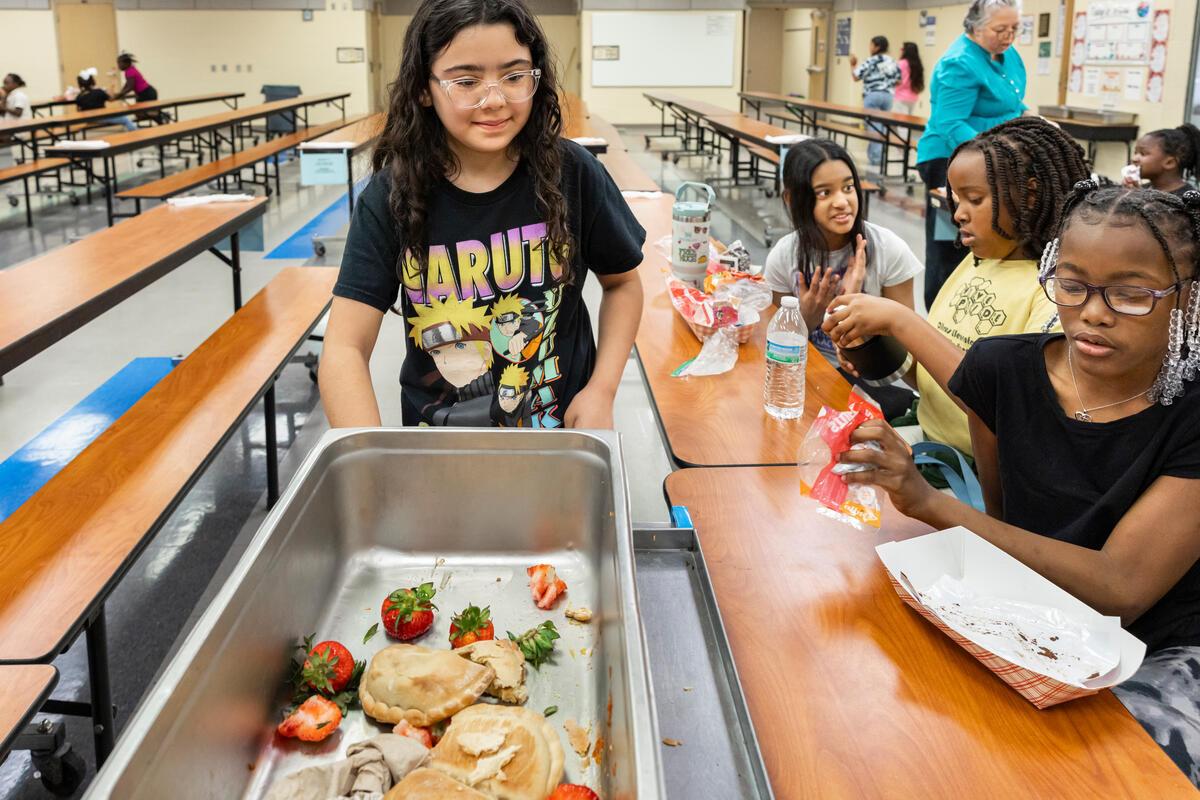
WASHINGTON, September 16, 2026 /3BL/ - A new World Wildlife Fund (WWF) report details the impact and potential of Food Waste Warriors, a free program available for teachers and administrators to help students understand the importance of food and how to avoid wasting it. Since 2019, more than 1,000 schools have adopted Food Waste Warriors curricula, resulting in food waste reductions of up to 70% per school.
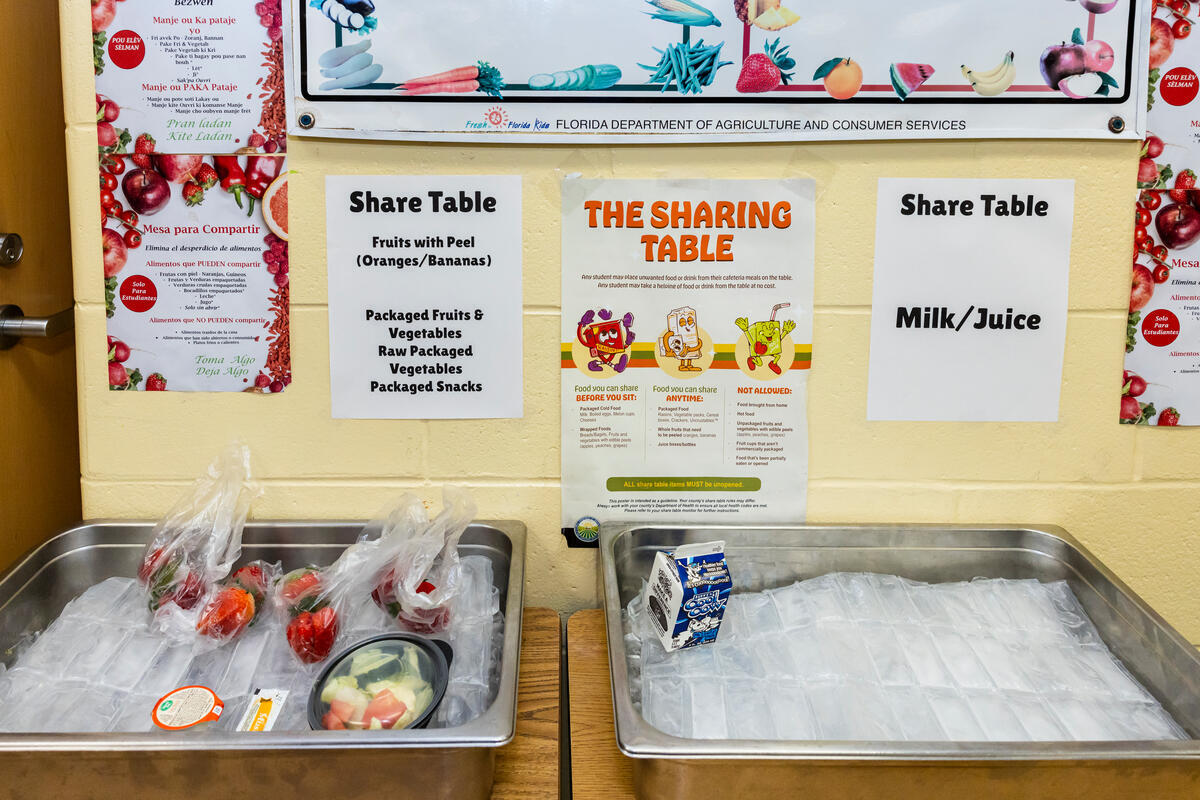
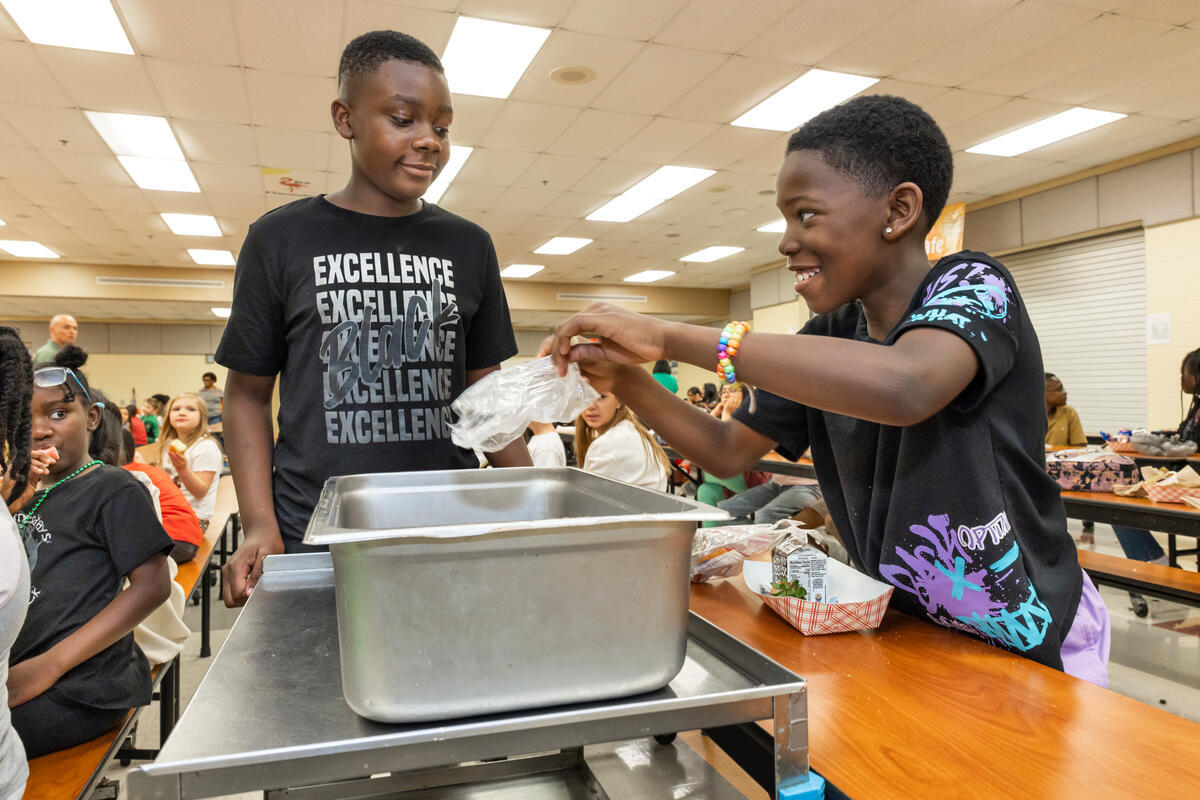
Food Waste Warriors is launching a national ambition to end wasted food in K-12 schools within a generation. Accomplishing this requires three principal activities: engaging students through annual cafeteria education, expanding edible food recovery strategies in schools – like share tables and refrigerators – and ensuring unavoidable food scraps never go to landfills.
“We need to ensure our children understand the connection between food and the planet. There’s no better place to learn this lesson than the school cafeteria,” said Pete Pearson, vice president of food loss and waste at WWF. “Food Waste Warriors empowers students to take meaningful action for the planet while recognizing where our food comes from, what’s involved in producing it, and why wasting it is not OK.”
All Food Waste Warriors materials are available at no cost. These include guidance and tools to conduct food waste audits, lesson plans and activities by grade level, a dashboard to track the environmental benefit of your school’s food waste reduction efforts, posters, presentations, and more. WWF also offers support by connecting schools to funding opportunities and providing one-on-one expert advice.
WWF’s new report includes real-world case studies written by teachers, students, food service professionals, and community leaders. Their stories demonstrate varied approaches to adoption and personal success stories.
The report also points to strong financial results. In Maine, projections show that similar reductions applied statewide could save schools an estimated $1.3 million a year, and in Maryland, student-led advocacy helped secure $1.25 million in state grant funding for composting and food recovery programs.
Gerin Hennebaul, STEM specialist for Lovin Elementary School in Georgia, has managed the Food Waste Warriors program at her school since 2019. “The impact of our work is evident in many ways,” Hennebaul said. “We’ve had so many families begin compost bins at home. We are seeing our students eating more of their food and eating healthier. And our students are so passionate about how their small changes are making a big impact.”
The report, Ending Wasted Food in K-12 Schools, is available here. Interested teachers, administrators, and community members are encouraged to contact [email protected] with implementation questions.
####
Media Contact: Lorin Hancock, [email protected]
About WWF:
Founded in 1961, WWF works to help people and nature thrive. As a global conservation organization, WWF operates in more than 100 countries, partnering with communities, companies, and governments to protect wildlife, conserve vital habitats, and advance sustainable solutions. Grounded in science and driven by collaboration, WWF works to help nature by conserving biodiversity, supporting resilient communities, and addressing climate change. Nearly 1 million people in the United States and more than 5 million globally are WWF members.