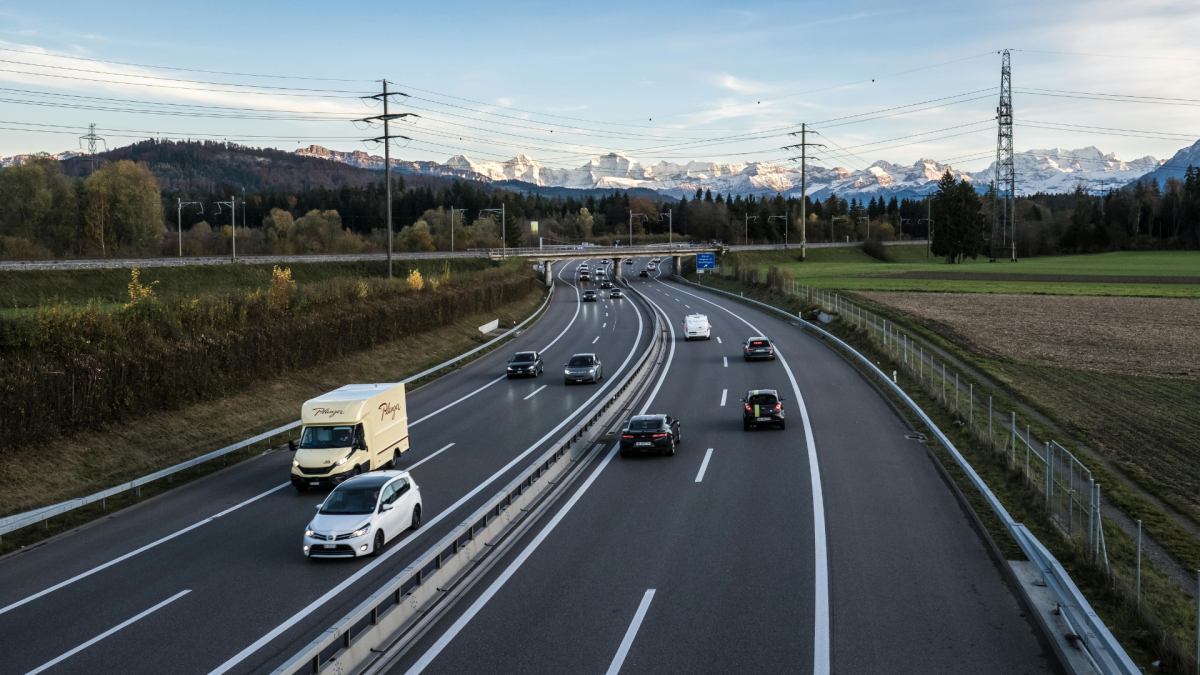
August 12, 2026 /3BL/ - The Ray has announced its formal response to the U.S. Department of Energy (USDOE) regarding the Accelerating Speed to Power Initiative. Their strategic blueprint offers a scalable, low-conflict pathway to unlock massive grid capacity by utilizing existing highway and rail rights-of-way (ROW) for high-voltage transmission infrastructure.
To build a replicable national model, The Ray formed a powerhouse strategic coalition of leaders in transportation, energy, and infrastructure planning:
ElectroTempo, Inc. provides machine learning to forecast grid-load zones;
Cambridge Systematics brings data-driven transportation policy expertise;
Minnesota Department of Transportation (MnDOT) serves as an innovative state agency partner helping develop approaches to safely integrate energy infrastructure into public corridors.
The collaborative effort also leverages key partners across the country, including the American Association of State Highway and Transportation Officials (AASHTO) through its "Moonshot Initiative."
Solving the Gridlock: The Case for Corridors
Traditional grid expansion is frequently slowed by complex land acquisition and lengthy permitting cycles. By shifting focus to in-use public assets such as highways and rail lines, the Speed to Power vision dramatically minimizes community disruption and reduces the need to purchase private property.
Furthermore, existing transportation corridors may qualify for National Environmental Policy Act (NEPA) categorical exclusions, streamlining environmental reviews and accelerating project development timelines. This optimized delivery model is critical to support the rapid growth required for next-generation economic drivers, including data centers, advanced manufacturing, and the electrification of freight logistics.
Proven Models and Emerging Corridors
The Ray's approach is grounded in real-world success. For example, they highlight the SOO Green HVDC Link, a 350-mile underground high-voltage direct-current transmission line that primarily follows the Canadian Pacific Kansas City railroad corridor. By utilizing existing transportation ROW, this $2-3 billion merchant project bypasses traditional private land acquisition conflicts to deliver 2,100 MW of capacity between regional grids.
Using ElectroTempo's data-driven forecasting, The Ray identified five key "Emerging High-Load Corridors" where targeted investment will yield the highest impact between 2025 and 2030:
Mid-Atlantic: Richmond–Frederick–Harrisburg (Projected 8–10 GW growth).
Texas Triangle: Dallas–Austin–San Antonio (Projected 6–8 GW growth).
Midwest: Columbus–Indianapolis–Chicago (Projected ≈7 GW growth).
Southeast: Savannah–Charleston–Raleigh (Projected 5–6 GW growth).
Southwest: Phoenix–Las Vegas–Southern NV (Projected 5–6 GW growth).
The Structured Path to Execution
The Ray's strategy moves immediately from theory to execution using advanced technology, interagency coordination, and creative project financing:
Advanced Spatial Mapping: The Ray's Esri-backed ROW Transmission Deployment Tool integrates transportation and grid datasets, allowing planners to dynamically map and analyze proposed routes.
Braided Project Funding: To bridge critical capital gaps, The Ray promotes deeper coordination between USDOE and USDOT funding programs to help states braid available federal resources for transmission projects.
Policy Implementation and Technical Support: The Ray's recommendations highlight state policy models, such as Minnesota’s utility colocation law (HF 5247), and the technical assistance and coordination needed to help states advance safe transmission colocation.
Interagency Alignment: The Ray advocates for a federal ROW Transmission Interagency Working Group to cut through red tape and harmonize workflows between energy regulators and state DOTs.
By advocating for these targeted solutions, The Ray seeks to provide state leaders with the tools and technical guidance necessary to safely modernize the country's infrastructure, paving the way for a more efficient and resilient national grid.