Aisho’s Story
Aisho Abdi, a 25-year-old mother of three, always dreamed of keeping her children safe and healthy. She knew the dangers of measles (called “Jadeeco” in Somali) and wanted to protect her children from it.
Illnesses like measles are especially dangerous in communities where malnutrition rates are high because malnutrition and illness go hand in hand. When a child is malnourished, their immune system is weakened, and they face increased risks when ill. With measles, for example, malnutrition can aggravate Vitamin A deficiency, which is a key factor in causing measles-related blindness. Illnesses that should be relatively simple to treat can quickly become dangerous or have lifelong impacts for malnourished children.
Vaccination is one of the best protective measures malnourished children can have against health risks, helping to prevent recurrent illness and improve nutritional status. In Somalia, where an estimated 1.85 million children under 5 are expected to suffer from malnutrition between July 2025 and June 2026, increasing access to preventative measures like vaccination is critical for protecting the health of children.
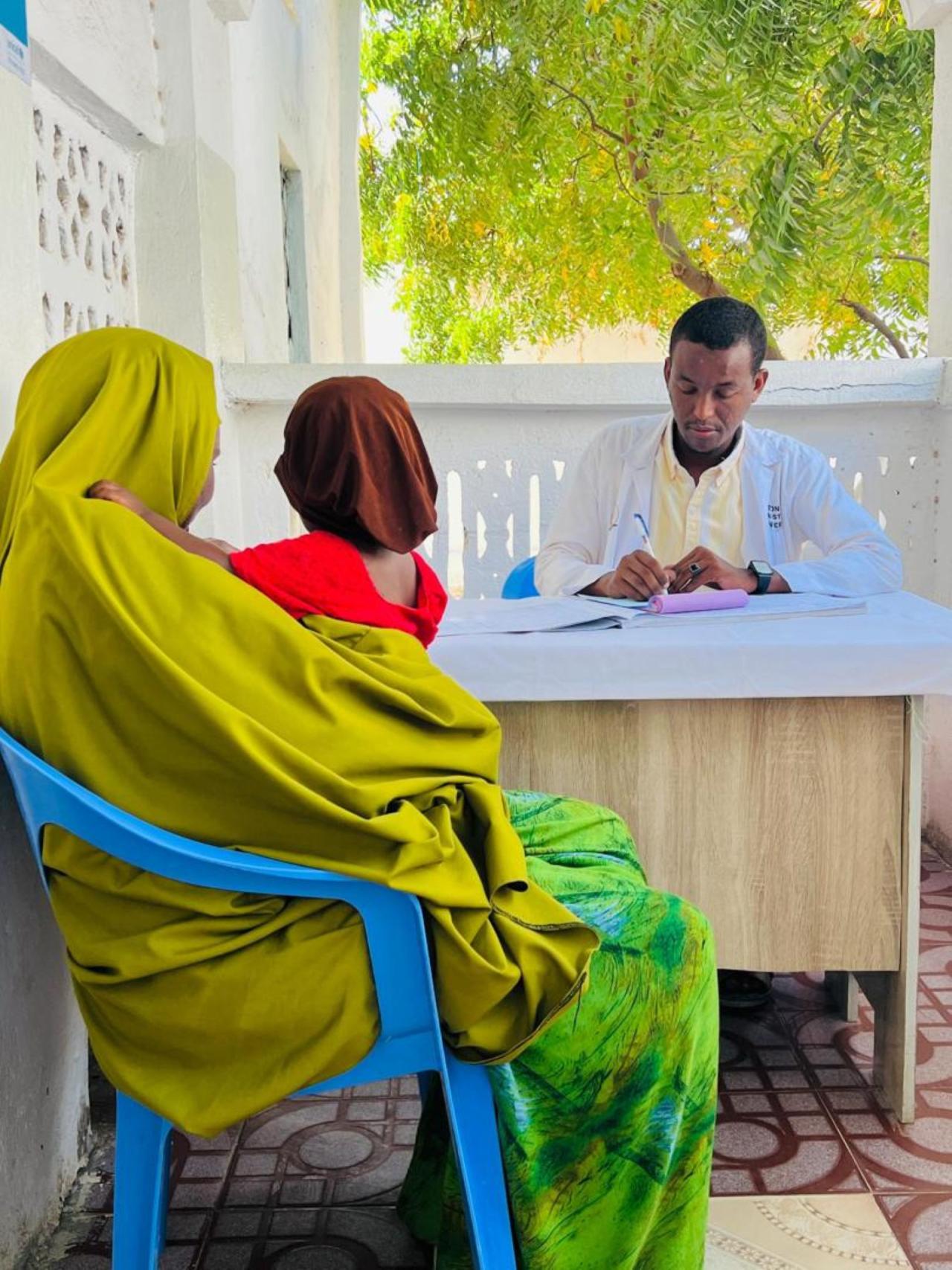
Aisho had heard about vaccines and understood their importance, but she struggled to access them. Like many people in Somalia, Aisho lived too far from healthcare services to access them — the nearest clinic being 46 miles away.
Despite this, Aisho was determined. She managed to get two of her sons vaccinated in Kismayo, but not easily. It involved a long journey and high transportation costs that many families cannot afford.
Several years later, floods swept across the region where Aisho lived. She and her family made the decision to relocate to Kismayo for safety and better economic opportunities, but for Aisho, the move meant much more. In Kismayo, Aisho could give her children better access to education, food, and most importantly, healthcare.
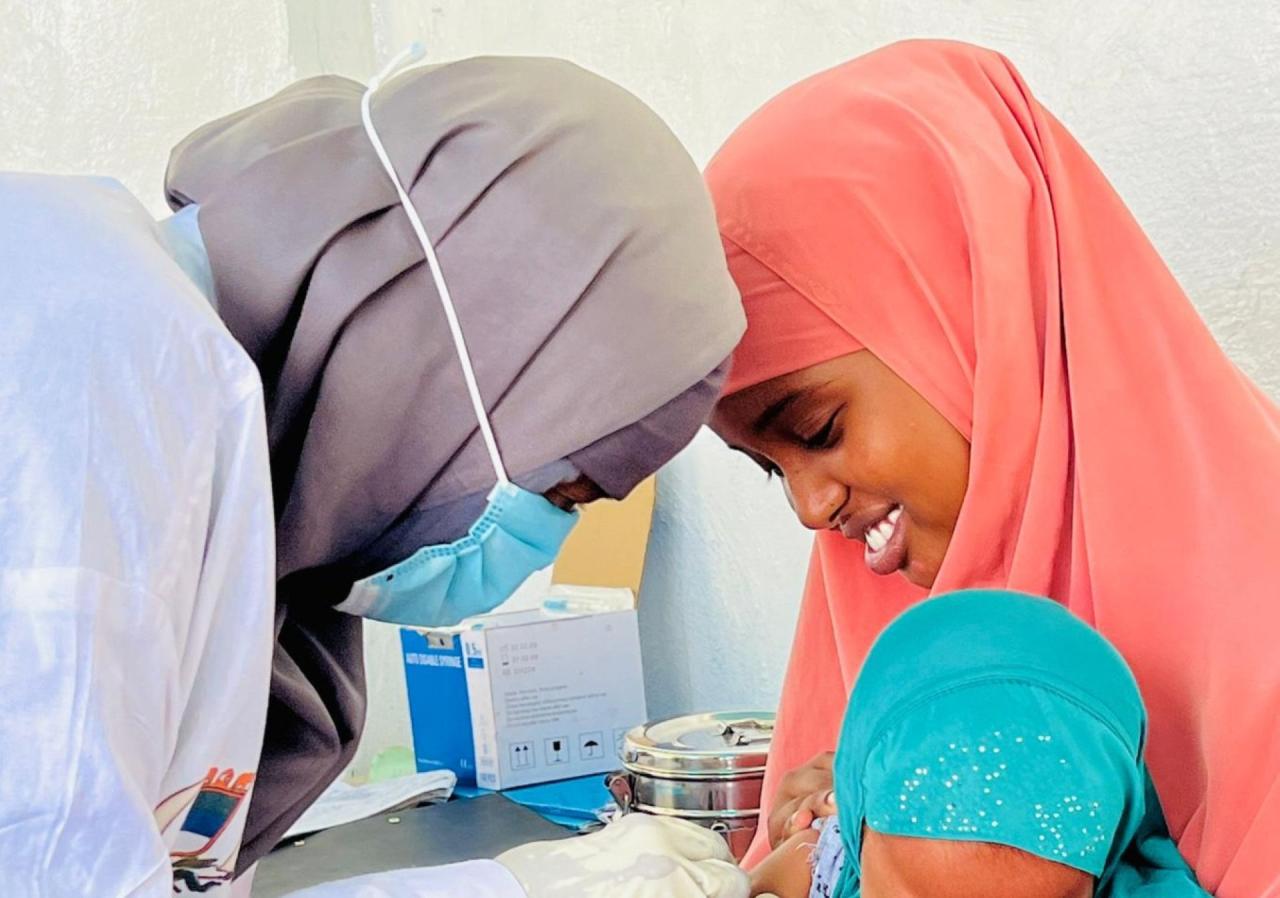
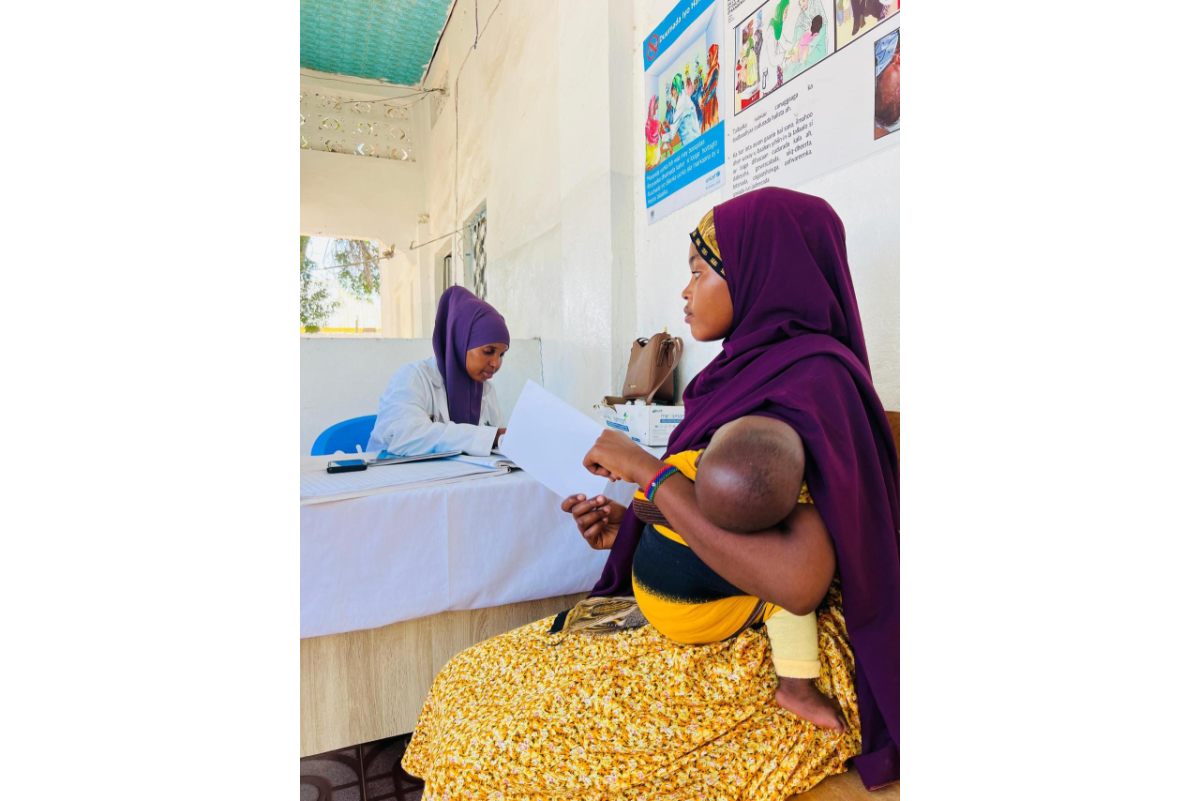
“The most important thing I can give my children is protection,” Aisho said, holding her youngest daughter, Hawa, in her arms at the health center in Kismayo. Hawa was there to receive her measles vaccine—a crucial step for protection, since 98.3% of measles cases in Somalia occur among unvaccinated individuals.
The health center is run by Action Against Hunger through the Cross-Border Emergency Relief Project, funded by the French Embassy in Somalia. This project provides maternal and child healthcare, as well as clean water and sanitation services, to vulnerable families.
Aisho expanded her passion for keeping her children healthy and safe to action to support her broader community. She has become an Action Against Hunger volunteer, connecting parents in her community with health workers. At times, she brings children to the health facility herself. She speaks at community meetings, sharing her experience and encouraging other parents to vaccinate their children. Aisho’s efforts have inspired many, and she has become a role model in her neighborhood.
Improving Vaccination Rates in Somalia
Somalia has one of the lowest vaccine coverage rates in the world for a variety of factors, including limited access to healthcare, cultural beliefs, and misinformation about vaccines. According to a recent study, Somalia’s immunization coverage against six major childhood diseases —tuberculosis, diptheria, pertussis, tetanus, polio, and measles — stands at only 30-40 per cent.
One of the greatest obstacles to both increasing vaccination rates and providing malnutrition treatment in Somalia is that access to healthcare can be limited. The Global Camp Coordination and Camp Management (CCCM) Cluster reports that nearly 40% of people in Somalia's Baidoa District do not have reliable access to a healthcare facility or have no access at all.
Action Against Hunger is the second largest Ministry of Health partner in Somalia, directly supporting 112 health units and 1,500 health workers, working to reach the most rural neighborhoods and get vulnerable populations the services they need. To spread word of the clinic and the services available, Community Health Workers go door-to-door, searching for children who have not received any vaccines. They particularly visit vulnerable areas, such as refugee camps and rural neighborhoods.
“They are always busy making sure no child is left behind,” observes Aisho.
Through Action Against Hunger’s program, more children in Kismayo are getting vaccinated. The availability of vaccines, the dedication of healthcare workers, and the commitment of mothers like Aisho are making a real difference. Step by step, they are building a healthier future for their children and their community.
***
Action Against Hunger leads the global movement to end hunger. We innovate solutions, advocate for change, and reach 26.5 million people every year with proven hunger prevention and treatment programs. As a nonprofit that works across over 55 countries, our 8,500+ dedicated staff members partner with communities to address the root causes of hunger, including climate change, conflict, inequity, and emergencies. We strive to create a world free from hunger, for everyone, for good.