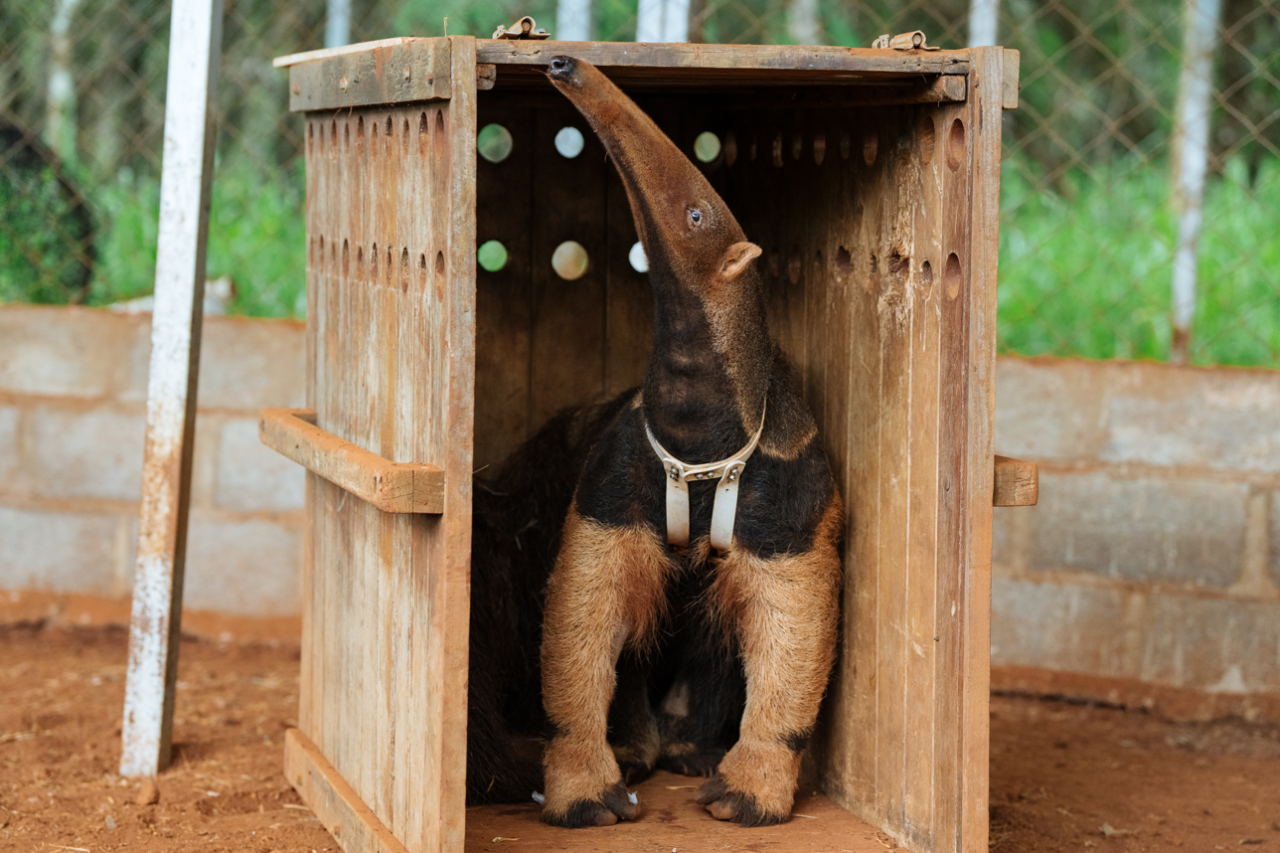
Heart monitors implanted in vulnerable species study stress and survival, helping scientists better understand and protect them
For more than 25 years, Medtronic heart monitors have been helping advance conservation science. Led by Tim Laske, vice president of research and development for Cardiac Ablation Solutions, the work originally focused on American black and grizzly bears. It has expanded to more than 25 species by partnering with organizations around the world, including the Wildlife Science Center, the Columbus Zoo and Aquarium, and the Smithsonian’s National Zoo and Conservation Biology Institute.
Since this work began, more than 600 animals representing 27 species have received heart monitors — including giant anteaters in Brazil and clouded leopards in Thailand — generating evidence-backed knowledge that is helping scientists and animals around the world.
The Rhythm of Life with the Smithsonian’s National Zoo and Conservation Biology Institute
The Medtronic Reveal LINQ™ Insertable Cardiac Monitor is helping researchers learn characteristics of wild and endangered species to further conservation efforts. Laske and colleagues have been studying the physiology of bears since 1999, publishing dozens of studies — one of which caught the eye of the Smithsonian’s National Zoo and Conservation Biology Institute (NZCBI).
Rosana Moraes, senior research fellow at the Smithsonian, remembers the exact moment she encountered their study on the stress response of wild bears to drone flights through cardiac monitoring. “When I saw that data, I envisioned all the possibilities we could do with a tool like that,” she said.
In 2018, the Rhythm of Life study was born.
Learn more:
- How healthcare technology is changing wildlife conservation
- At the heart of giant anteater conservation is a medical device
Tracking stress in wolves: Wildlife Science Center in Minnesota
In the early 1970s, wolves were endangered across the U.S. and Mexico. Red wolves and Mexican gray wolves were extinct in the wild, and only about 300 gray wolves lived in northern Minnesota and Michigan. Since then, populations of all three species have grown through concerted efforts by government agencies and conservationists.
Among those helping to boost these populations are scientists at the Wildlife Science Center in Minnesota. They raise gray wolves and are actively breeding both the red wolf and Mexican gray wolf to help increase numbers in wild populations.
These scientists study wolves so they can better understand them, both providing insights into improving quality of life in captivity and better management in the wild – and our Reveal LINQ insertable cardiac monitor is helping them do so.
Learn more:
Keeping up with the pack: Tracking stress in wolves
Monitoring heart disease in great apes: Columbus Zoo and Aquarium
In 2022 the Columbus Zoo and Aquarium in Ohio implanted six great apes with Medtronic Reveal LINQ™ insertable cardiac monitors (ICMs), to help identify and track heart problems in the animals.
“The hearts of great apes are very similar to human hearts,” said Dr. Ilana Kutinsky, a cardiologist and electrophysiologist who participated in the implants. “Great apes die from heart disease just like people do.”
Heart disease is the leading cause of death among apes living in zoos. The Columbus Zoo, in conjunction with the Great Ape Heart Project based in Detroit, implanted the monitors in two gorillas, two orangutans, and for the first time in the world, two bonobos.
Learn more:
Helping more than humans: Medtronic devices monitor heart disease in great apes
How are animals and people benefiting from this research?
- Conservation and management of wild species
- Improved quality of life for captive species
- Understanding of hibernation physiology for potential application to human medicine
- Improved reproductive productivity of captive and free endangered species
Learn more:
Meet the father and daughter tracking heartbeats of the wild
Additional Media
Images