by Allison Stowell
Originally published on Guiding Stars Health & Nutrition News
Earlier this year, I wrote about Dry January and the growing sober curious movement. Halfway through 2026, trusted health organizations are backing this trend with updated guidance and new research. Summer days are marked by barbecues and beach days, often paired with seasonal beverages. So it’s a good time to highlight these revised recommendations. If it’s all new to you, and your own intake exceeds recommendations, maybe it’s also a good time to consider Dry (or “Damp”) July.
Definition of a Standard Drink
Let’s begin by reviewing the definition of a standard drink. According to the National Institute on Alcohol Abuse and Alcoholism, a standard drink (in the US) contains about 14 grams (0.6 fluid ounces) of pure alcohol. This looks like:
- A 5-ounce glass of wine at 12% alcohol by volume
- A 1.5-ounce shot glass of distilled spirits at 40% alcohol by volume
- A 12-ounce regular beer at 5% alcohol by volume*
*Some craft beers are as much as 10% alcohol by volume, making 12 ounces the equivalent of two standard drinks. The same goes for many canned cocktails.
Alcohol Consumption Guidance
Center of Alcohol and Substance Use Studies, Rutgers University
Last month, the Journal of Studies on Alcohol and Drugs published the results of a new study on alcohol intake. Using weekly consumption reports, investigators examined the per-occasion impact on a person’s health. The goal was to understand the connection between alcohol consumption and morbidity and mortality in the US. The authors concluded that alcohol consumption should be limited to one drink per day or less to lower risk of developing health issues.
American Heart Association
The American Heart Association (AHA) has also updated their guidance on alcohol intake. In a new scientific statement, the AHA highlights the challenges of studying the impacts of low/moderate drinking. Previous advice suggested that some alcohols (like red wine) may be beneficial. However, the AHA has determined that recommending alcohol intake as part of a healthy lifestyle is no longer valid. More importantly, binge drinking, or consuming on average more than three drinks a day, often aligns with elevated blood pressure and increased risk for cardiovascular events. Given the definition of a standard drink, it’s not uncommon for an individual to have three drinks on one occasion. This AHA guidance was underscored in updated recommendations released earlier this year. They simply stated that if you aren’t presently drinking alcohol, don’t start. And if you are, limit your intake.
American Cancer Society
Alcohol is classified as a class #1 carcinogen (the highest risk group), and linked to seven different types of cancer. For this reason, the American Cancer Society recommends limiting intake to no more than one drink per day for women and two drinks a day for men. For breast cancer prevention, specifically, women should limit or abstain from alcohol altogether to lower risk.
Additional Research
Women’s Health
Alcohol impacts women in particular in many other ways, including negative effects on heart, liver, and brain health. Alcohol intake also worsens menopause symptoms, causing higher frequency and intensity of hot flashes, along with greater potential for weight gain and poor sleep. Regular or heavy drinking also negatively affects bone health. Current guidelines recommend that women limit intake to one standard drink/day (maximum seven drinks/week) to lower risk.
Brain Health
Studies published over the past several years have connected moderate and heavy drinking with cognitive decline. The impacts on brain health include accelerated aging and increased inflammatory markers. Alcohol has also been shown to increase risk of dementia and other brain disorders. This includes Alzheimer’s Disease, which progresses faster with heavy drinking (defined as eight drinks per week).
If you’re looking for something special to serve this summer that’s refreshing, but non-alcoholic, try one of these:
Cucumber Lemon Kombucha Mocktail
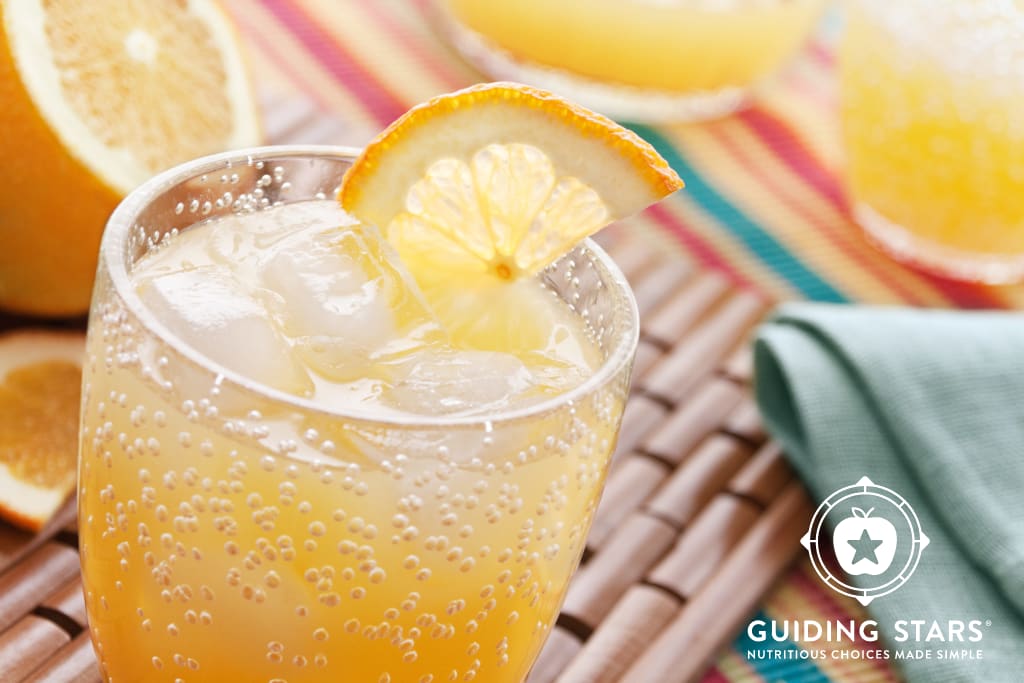
Tropical Ginger Punch
1 Guiding Stars
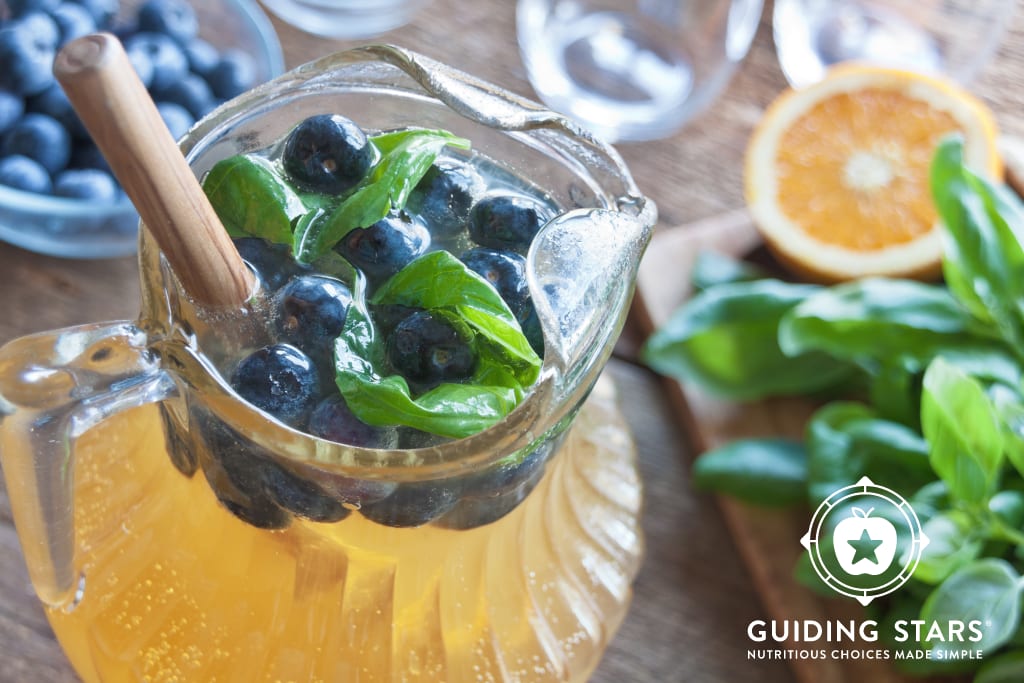
Blueberry-Basil Tea Spritzer
3 Guiding Stars
Guiding Stars is an objective, evidence-based, nutrition guidance program that evaluates foods and beverages to make nutritious choices simple. Products that meet transparent nutrition criteria earn a 1, 2, or 3 star rating for good, better, and best nutrition. Guiding Stars can be found in more than 2,000 grocery stores, in Circana' Attribute Marketplace, and through the Guiding Stars Food Finder app.
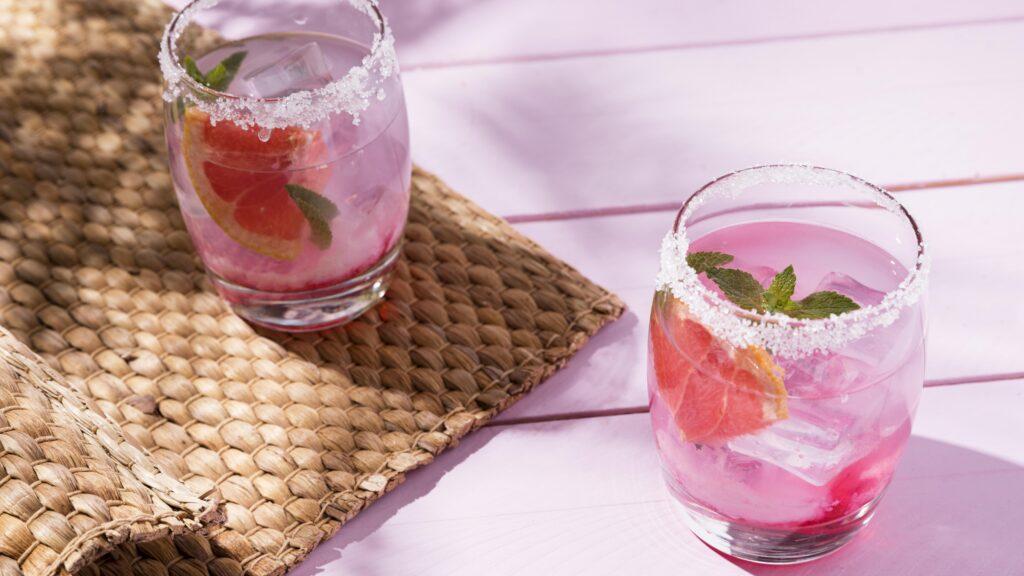
Image by Freepik