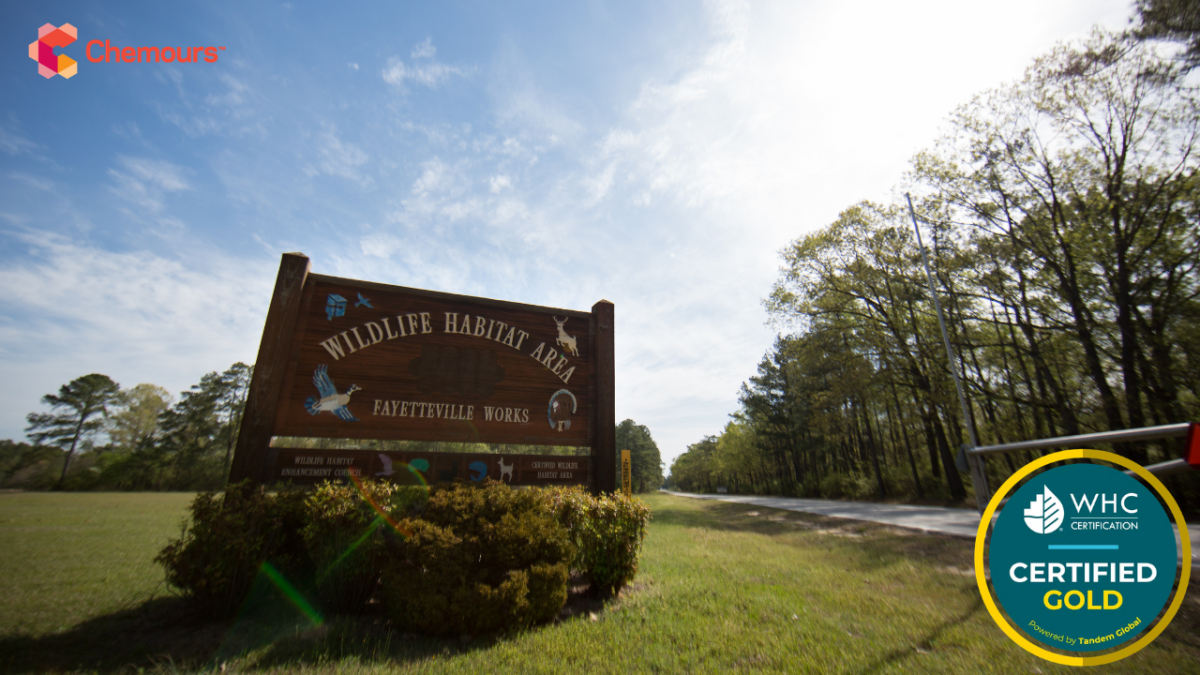
Chemours Fayetteville Works has once again earned Gold in the Wildlife Habitat Council (WHC) Conservation Certification®, recognizing the site’s continued commitment to environmental stewardship, biodiversity, and community engagement.
Powered by Tandem Global, the WHC Conservation Certification® is the only voluntary sustainability standard designed specifically for broad‑based biodiversity enhancement and conservation education on corporate lands. Certification is awarded through an objective, third‑party evaluation of on‑site conservation and education programs. Achieving Gold status reflects both the strength of Fayetteville Works’ environmental initiatives and the dedication of employee volunteers who lead them.
“The Chemours Fayetteville Works site is recognized as meeting the strict requirements of WHC Certification,” said Margaret O’Gorman, Chief Executive Officer, Tandem Global. “Companies achieving WHC Certification, like Chemours Fayetteville Works, are environmental leaders, voluntarily managing their lands to support sustainable ecosystems and the communities that surround them.”
This milestone underscores Chemours’ continued commitment to being a good neighbor and advancing biodiversity and conservation education across its operations, including Fayetteville Works and five additional WHC‑certified sites in Delaware, Mississippi, New Jersey, and West Virginia.
A Comprehensive Approach to Habitat, Wildlife, and Education
Fayetteville Works’ Gold certification is supported by a focused portfolio of habitat management, wildlife conservation, and education programs developed in partnership with local schools and community organizations.
Forest Habitat Stewardship
- 1,500 acres of managed forest habitat, including longleaf pine and bottomland hardwood forests
- Regular monitoring of plant and wildlife diversity to assess forest health and inform long‑term stewardship
- Alignment with regional conservation priorities, including the North Carolina State Wildlife Action Plan
Wildlife, Pollinator, and Avian Conservation
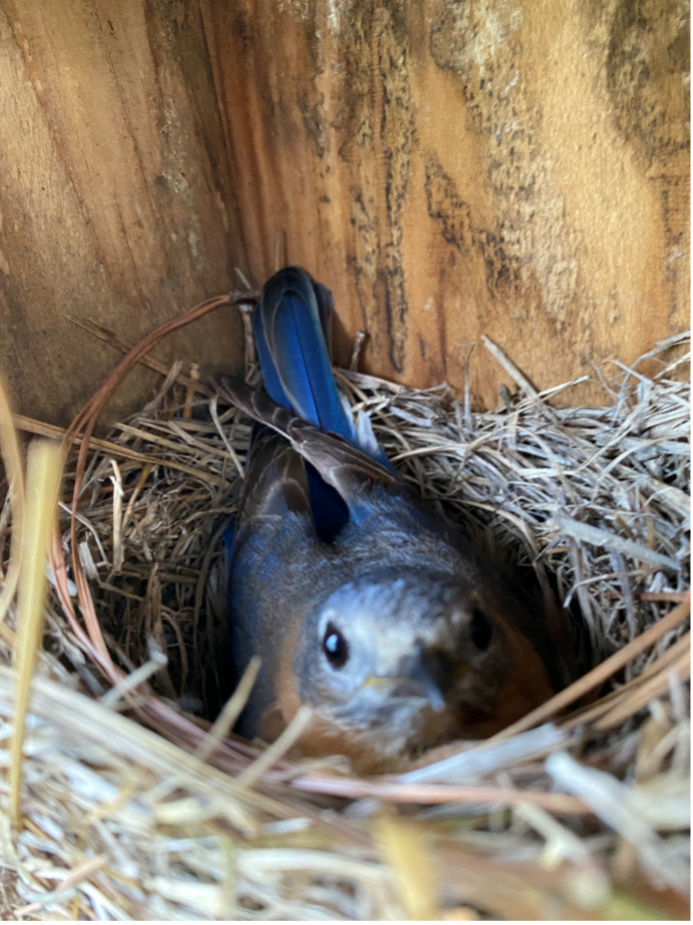
- Bluebird Program: Installation and monitoring of more than 70 nesting boxes, improving nesting success through adaptive management
- Eastern Wild Turkey Habitat Management: Food plots, forest thinning, and delayed mowing to support nesting and broader wildlife populations
- Bird‑Safe Buildings: Window deflectors installed on office buildings to reduce bird strikes
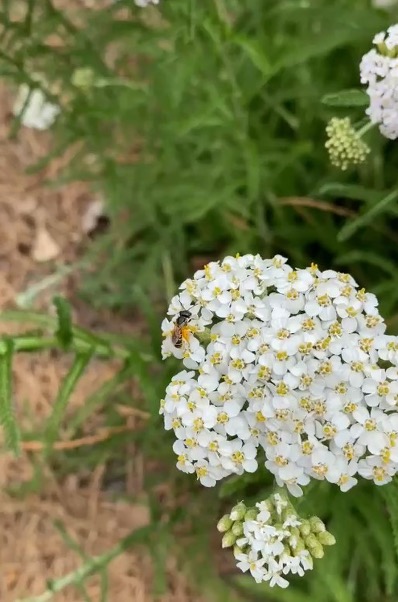
- Pollinators: Native plantings and pollinator habitats supporting bees, butterflies, and other essential species
- Whitetail Deer: Habitat management practices that support healthy populations while maintaining balanced forest ecosystems
- Bats: Protection and monitoring of bat habitats, supporting local populations and their role in natural insect control
Conservation Education and Community Engagement
- School Partnerships: Hands‑on environmental education with Gray’s Creek High School, Future Farmers of America students, and Mac Williams Middle School, reaching hundreds of students each year
- Youth Outreach: Nature‑based learning activities through events such as Kids Day at Work, introducing children to local wildlife and conservation concepts
Together, these site‑led initiatives demonstrate how employee volunteers and community partnerships are making a positive impact on local ecosystems and communities.
Chemours recognizes the Fayetteville Works employee volunteers and community partners whose dedication made this achievement possible and remains committed to advancing conservation and biodiversity across its global footprint.
Learn more about Chemours commitment to innovation, safety, and sustainability at https://www.chemours.com/en/sustainability.