Accelerating Sustainable Animal Farming Solutions For a Brighter Future
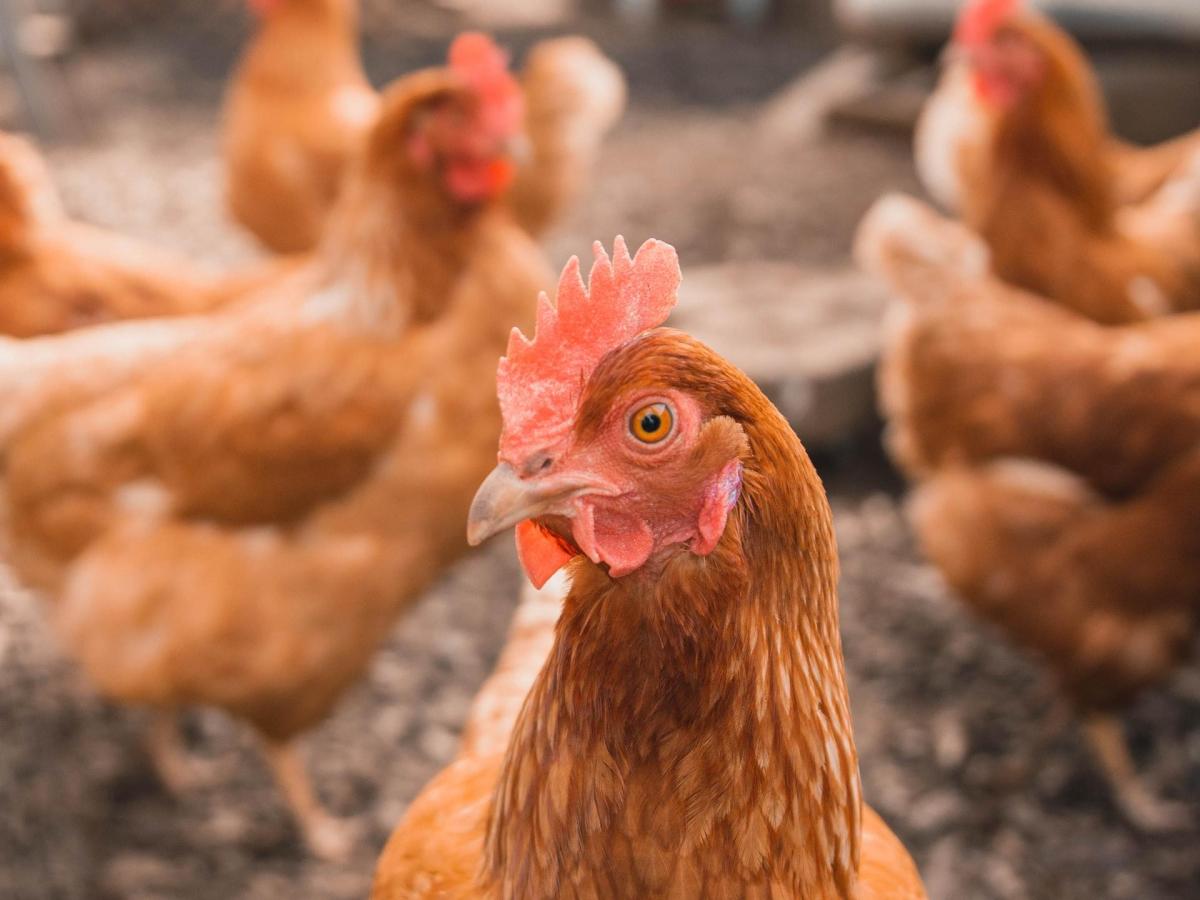
We all have a part to play to ensure our food supply is more nutritious, more sustainable and more efficient. New developments in animal nutrition are among the options that can help the food supply chain do its part to mitigate the risks of unchecked climate change such as greenhouse gas emissions. To that end, in 2020 DSM Animal Nutrition and Health launched the We Make it Possible strategic initiative with the aim of leading a worldwide transformation in sustainable animal protein production through tangible, actionable and measurable solutions that address the industry’s biggest challenges.

In this series sponsored by DSM Animal Nutrition and Health, we'll take a closer look at this global strategy to tackle issues like climate change and food waste, review additional challenges facing food producers, and explore various solutions to address them.

DSM ANIMAL NUTRITION AND HEALTH SPECIAL SERIES

Content from this campaign

Responsible Production & the Circular Economy
What the World's First Bio-Based Vitamin A Means for Sustainability
The solution for producing the world’s first fully bio-based Vitamin A has emerged from a common microorganism that is found in countless food products.
Responsible Production & the Circular Economy
We Need a Faster Food Revolution for People, Planet and Livelihoods
Food is at the heart of every stable and thriving society.
Environment
The Path to Net Zero Offers Companies New Opportunities
Over a fifth of the world’s largest companies have pledged to reach net zero greenhouse gas emissions by 2050.
Responsible Production & the Circular Economy
An All-of-the-Above Approach to Feeding a 21st Century World
For all the advances in modern agricultural productivity, the world still faces a huge challenge if it is to feed 10 billion people by mid-century, using the same amount – if not less – available land.
Responsible Production & the Circular Economy
A New Roadmap for Feeding 9.7 Billion People, Sustainably
The global community will have to find a way to feed 9.7 billion people by 2050 in a warming, resource-constrained world. It will require a rethink and collaboration from those across the value chain, as demand for animal protein is only set to rise.

More from TriplePundit

Climate Smart Agriculture

In honor of the two-year anniversary of Monsanto’s commitment to make its operations carbon neutral by 2021, Monsanto presents a series on what it...

Dreamforce 2017

We’ve teamed up with Salesforce.org to cover Dreamforce 2017, San Francisco’s biggest annual convention and the world’s largest nonprofit technology...