Energy & Infrastructure

Corporate stories about Energy & Infrastructure across 3BL's network.

Latest in Energy & Infrastructure
WeWork: Oil Money and the Challenge of Achieving Carbon Neutrality
WeWork, a company that provides shared workspaces, has taken a stand on sustainability. It has committed to carbon neutrality by 2023, and it has stopped serving meat to its employees as well as reimbursing them for meals that contain meat—because of concerns about the environment and animal welfare.
Ingersoll Rand Shows How Making One Small Change Like Using Canvas Shopping Bags or Adjusting Thermostats Can Have Big Impact on Environment
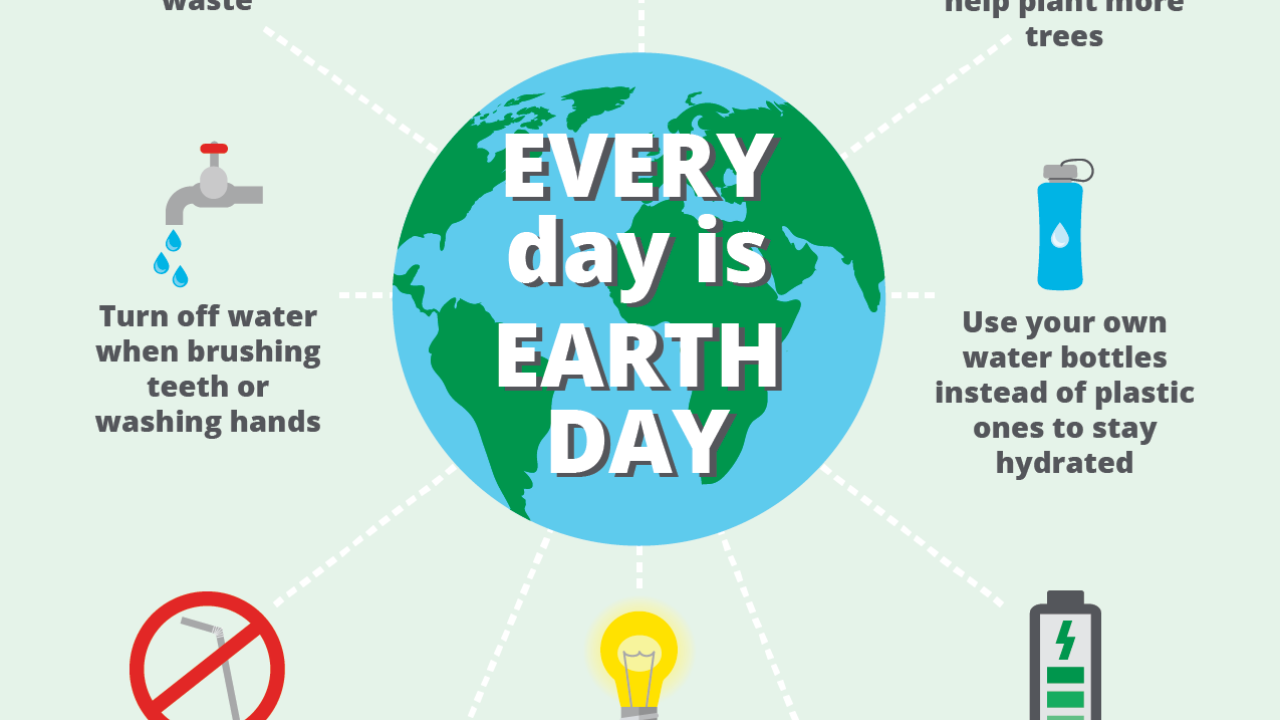
This Earth Day, Ingersoll Rand and its 49,000 employees are making changes towards a healthier and more sustainable world and encouraging others to do the same. At sites across the globe, Green Teams are leading earth-friendly efforts like reducing office supplies, eliminating single-use plastics (straws and utensils), reducing or eliminating junk mail, removing trash bins at desks to encourage less paper, and using rechargeable batteries.
CNH Industrial Leaders Address Latest Ambitious Sustainability Goals for 2030 in 2018 Sustainability Report
In our inaugural Sustainability Report address as Chairperson and Chief Executive Officer, we wish to outline the results achieved Company-wide from our work in sustainability in 2018 and share our strategic vision and targets for CNH Industrial going forward. We have updated our key targets to reflect CNH Industrial’s commitment to taking on this challenge. We have set even more ambitious goals for 2030: committing to cut CO2 emissions per production unit by 60% (compared to 2014) across our plants worldwide and to obtaining 90% of our total electricity consumption from renewable sources.
CNH
U.S. Green Building Council’s LEED Green Building Program Now Recognizes the Living Product Challenge
The Living Product Challenge (LPC) is now an approved certification path in the U.S. Green Building Council® (USGBC) LEED® v4/4.1 BD+C program.
Yum! Brands shows leadership among fast food peers, takes encouraging first step to mitigate its climate change impacts
Yum! Brands took “an important first step” to mitigate its impacts on climate change and align with investor expectations on greenhouse gas emission reductions, according to investors who reached an agreement today with the fast food giant.
Companies and Institutions Make the Business Case for Smart Energy Policy in the Buckeye State
Companies and institutions in Ohio gathered to discuss with state lawmakers how energy policy has the potential to drive investment and economic development in the Buckeye State.
Open Space, Increased Fleet Efficiency, and Water Education Are Highlights of Connecticut Water Service’s Updated Corporate Sustainability Report
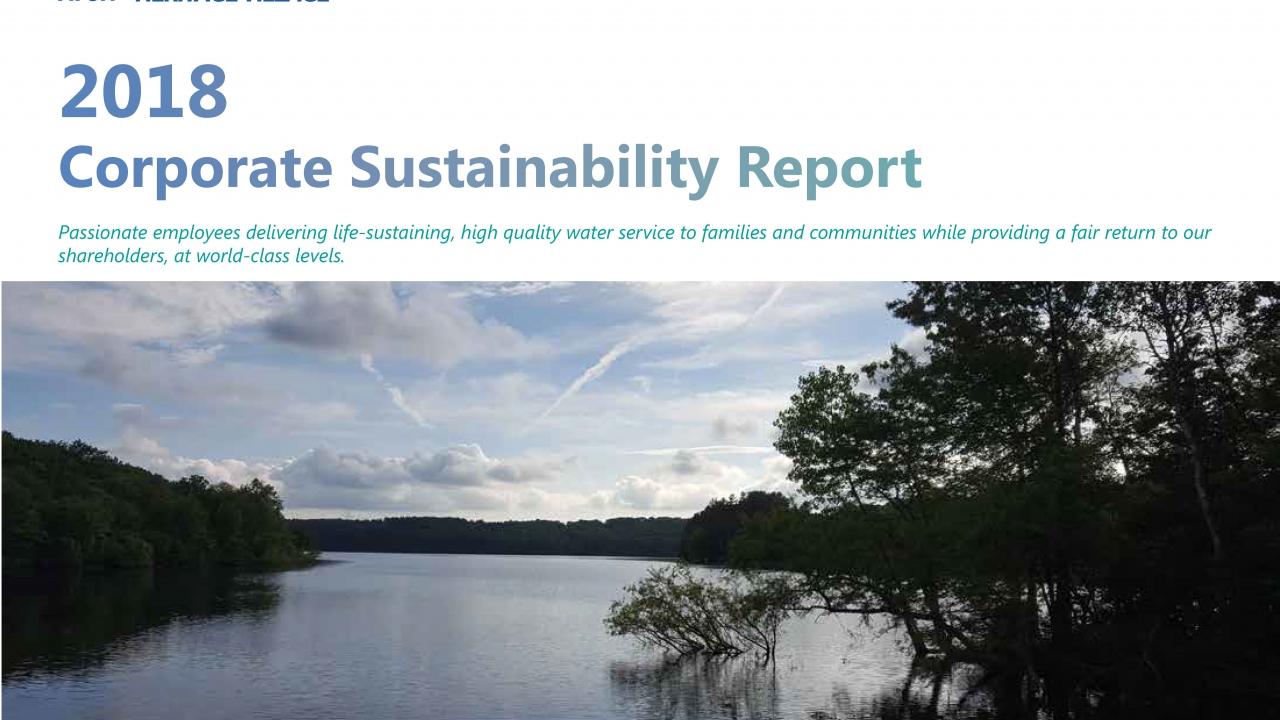
Connecticut Water Service, Inc., today announced the availability of the company’s updated 2018 Corporate Sustainability Report (CSR). The update demonstrates the company’s progress and milestones in achieving its environmental and social goals.
Energy & Sustainability Goal-Setting eBook: Your Guide to 7 Top Standards
Recent research finds that organizations have more success on energy and sustainability initiatives when they set public goals. But with so many options available, how do you determine which goals will drive the greatest value for your organization? And against what criteria should you assess them? Our goals primer eBook summarizes the top global, third-party benchmarking standards and recommends how to choose the right one to accelerate your energy and sustainability ambitions.
How Cities Are Evolving to Meet the Sharp Rise in Shipping Demands
According to the 2017 Material Handling Industry’s annual report, urban freight deliveries are expected to grow 40 percent by 2050. For cities looking to stay on the cutting edge, urban planning teams will have to work hand-in-hand with emerging technologies and private-sector providers to keep the delivery playing field in order. And while managing additional packages is nothing new—USPS delivered 3.1 billion packages across the U.S. in 2009 and 5.1 billion in 2016—city infrastructure has a more finite limit than sprawling suburbs or rural areas.