As AI infrastructure expands, security is becoming a supply chain issue as much as a technology issue
Cybersecurity has traditionally been viewed as an IT responsibility. Firewalls, software vulnerabilities, and network defenses have dominated executive conversations for years. But as AI infrastructure expands, security is becoming a supply chain issue as much as a technology issue.
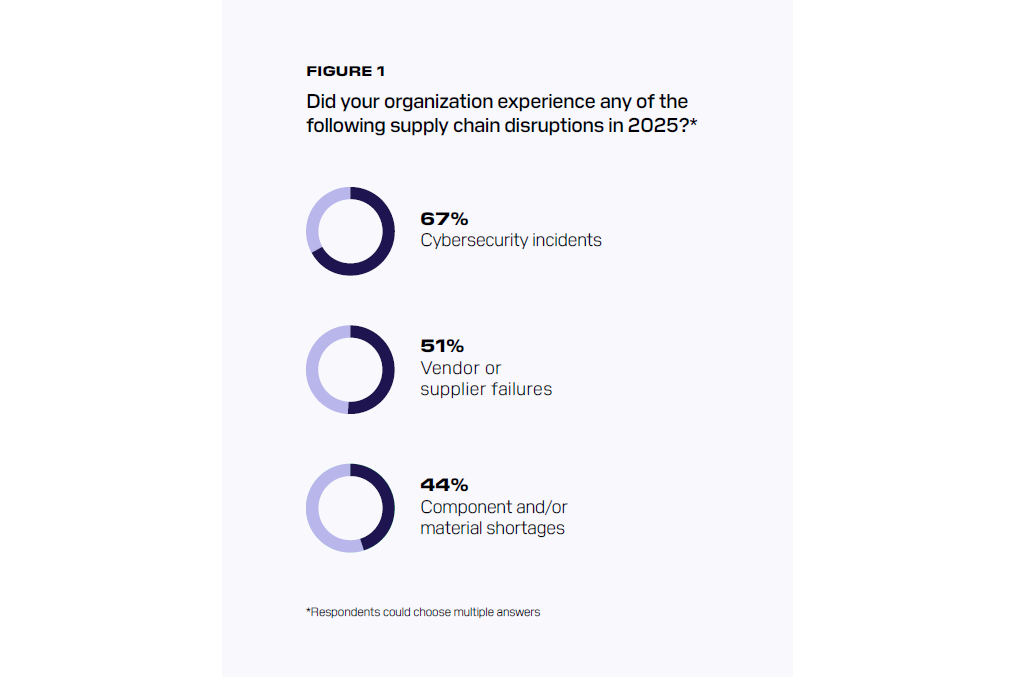
New research from DP World and Supply Chain Dive's Studio by Informa TechTarget found that cybersecurity was the most common supply chain disruption experienced by data center organizations, with 67% of surveyed executives reporting cybersecurity-related incidents during 2025.
The finding reflects a broader shift occurring across the industry. Today's data center supply chains involve transporting highly valuable servers, GPUs, and electrical infrastructure across multiple jurisdictions before installation in facilities supporting AI workloads. Protecting these assets requires far more than securing software systems.
According to the report, titled The Infrastructure Behind AI: Why Data Center Supply Chains Are the New Critical Path, security now extends across every stage of the logistics process, including chain-of-custody procedures, customs documentation, secure transportation, access controls at logistics facilities and physical security throughout installation.
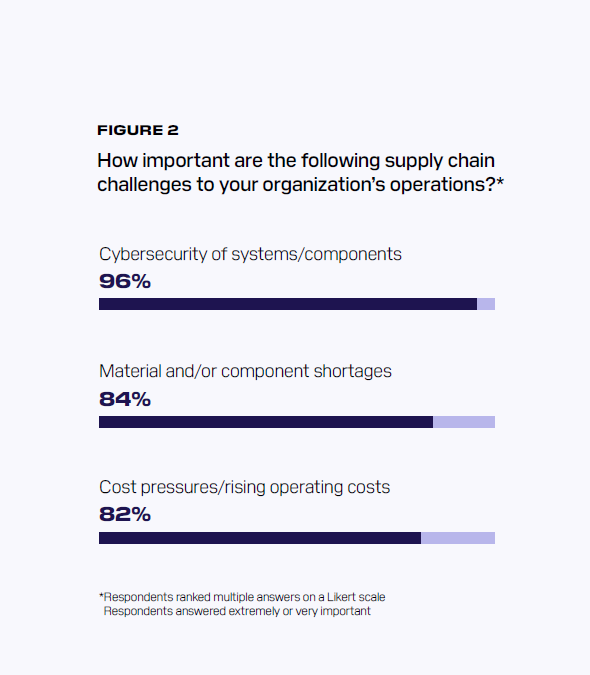
Industry leaders clearly recognize the scale of the challenge. Nearly every respondent (96%) identified cybersecurity of systems and components as an extremely or very important operational concern, making it the highest-ranked supply chain challenge in the study. Material shortages and rising operating costs followed behind, underscoring that executives increasingly view security as foundational rather than secondary.
Download The Infrastructure Behind AI: Why Data Center Supply Chains Are the New Critical Path.
The industry's response reflects that broader perspective. Fifty-seven percent of organizations are implementing additional cybersecurity measures, while an equal percentage are expanding employee cybersecurity training. Nearly half (49%) are strengthening physical security measures throughout their operations.
The emphasis on employee training is particularly notable. It suggests organizations understand that people remain one of the most important links in protecting increasingly complex supply chains. Cybersecurity is no longer confined to technology teams—it requires operational discipline across procurement, logistics and installation.
DP World's Glen Clark, CEO for the U.S. and Mexico and Regional Head of Contract Logistics, notes that managing risk requires constant attention throughout the transportation process.
"Constant security checks at loading or unloading points, protocols for who has access, security clearances when badging in or out of a transport location—these are necessary for managing all security risks," Clark said.
As investment in AI infrastructure continues to grow, these requirements are becoming more demanding. Sensitive hardware, constrained supply, and accelerating deployment schedules mean every shipment carries both operational and financial significance.
The report ultimately suggests that security can no longer be separated into physical and digital categories. Instead, successful data center operators must protect every link in the supply chain – from manufacturing and transportation to customs clearance and final installation.
For an industry racing to deploy AI capacity, security is no longer simply about preventing breaches. It is about ensuring that critical infrastructure arrives safely, on time and ready to power the next generation of computing.
Download The Infrastructure Behind AI: Why Data Center Supply Chains Are the New Critical Path on the DP World website.