Action Against Hunger and Partners Release Funding to Assist Families in Ethiopia and Somalia Before Heaviest Rains Arrive
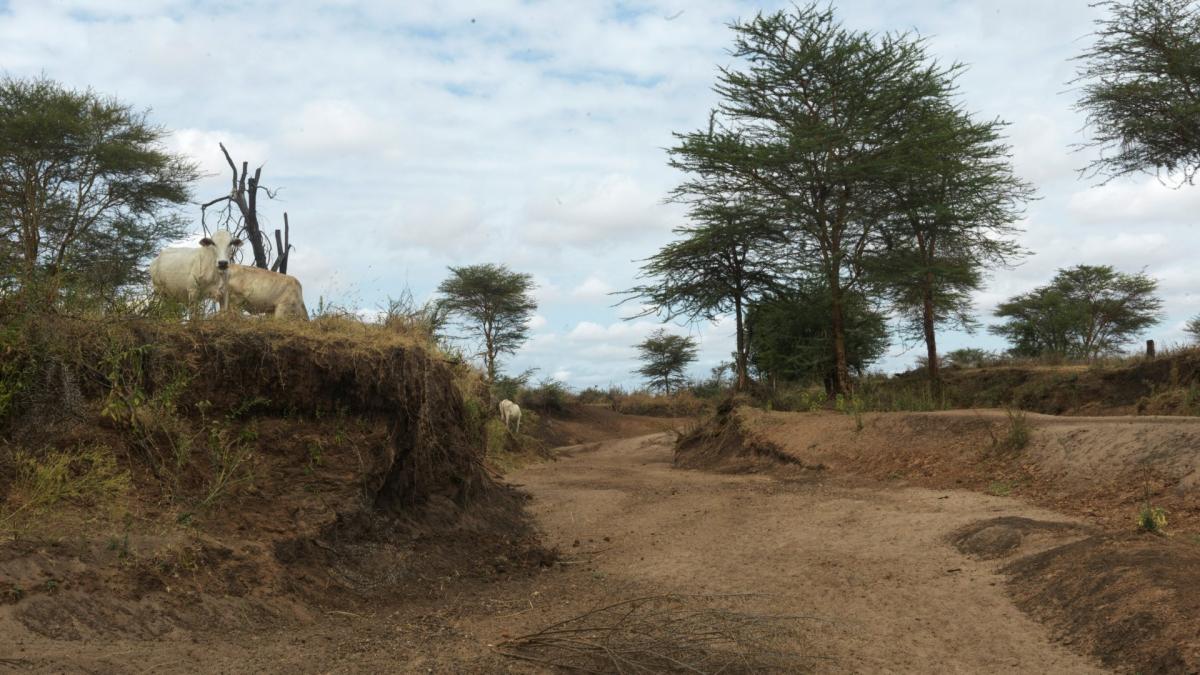
NEW YORK, November 5, 2026 /3BL/ - A strengthening El Niño is expected to bring heavier-than-normal rains to the Greater Horn of Africa through the end of the year, putting millions of people in Ethiopia, Somalia, and Djibouti at risk of severe flooding, according to a new report from Action Against Hunger and its partners. The report, “El Niño Preparedness & Response Situation Update,” outlines the latest forecasts, the areas at highest risk, and preparedness and readiness activities, as well as what is needed now to prevent the worst consequences through anticipatory action. The report was produced by the Institutionalizing Interoperable Multi-Hazard Preparedness and Anticipatory Action (IMPAACT) program, a regional initiative led by Action Against Hunger and funded by the European Commission's Directorate-General for European Civil Protection and Humanitarian Aid Operations (ECHO).
Action Against Hunger and its partners have already released funding to help families prepare before the heaviest rains arrive. In October, once forecasts crossed locally agreed triggers, the consortium activated funds for anticipatory action including cash transfers, early warning messages, and pre-positioned supplies, so families can protect themselves, their livestock, and their food stocks before the water rises. For example:
- In Ethiopia, nearly €88,000 will reach 86,623 people in the Gode and Adadle woredas of the Somali Region and the Moyale and Miyo woredas of Oromia.
- In Somalia, Action Against Hunger and local partner Somalia Climate Action Platform (SCAP) allocated more than €99,000 to support 1,100 households, about 6,600 people, in Beletweyne district in Hiraan and the Hudur, Wajid, and Elbarde districts in Bakool, primarily through cash assistance.
The Intergovernmental Authority on Development's (IGAD) Climate Prediction and Applications Centre (ICPAC) forecasts up to a 90% chance of above-average rainfall over southern Ethiopia and central and southern Somalia between October and December, driven by El Niño and a positive Indian Ocean Dipole. The World Meteorological Organization (WMO) has warned that El Niño could reach very strong intensity. Hotter-than-normal temperatures are also expected across the region, adding to the risk of flash flooding.
“We know the rains are coming, and we know which communities are most at risk. Acting now, before the floods, means families can move their animals, secure their food, and get to safer ground instead of waiting for help after they have lost everything,” said Muluneh Girma Mekonnen, Interim Regional Consortium Coordinator (IMPAACT Program) and Head of the Department for Nutrition and Health in Ethiopia at Action Against Hunger. “Every dollar spent ahead of a disaster goes further than one spent after it.”
The consortium is monitoring triggers there and working with national authorities on a plan for flood and heat risks, yet the scale of the threat significantly exceeds current funding.
- In Somalia, about 3.4 million people in flood-exposed districts are at risk, and around 1.1 million could be displaced by the end of the year. The 2023 Deyr floods affected more than 2.5 million people in the country.
- In Ethiopia, the national disaster risk management commission has triggered anticipatory action in 114 districts home to an estimated 9.3 million people, with particular concern for communities along the Wabi Shebelle, Genale, and Dawa rivers.
These floods are coming on top of an already severe hunger crisis. The latest IGAD regional report on food crises estimates that 40.3 million people across six countries in the region, including Djibouti and Somalia, face high levels of acute food insecurity in 2026. Years of drought, conflict, displacement, and rising prices have left many households with little to fall back on. Floods can wipe out crops and livestock, cut families off from markets, and push malnutrition rates higher, especially among young children.
Funding is the biggest gap. Somalia's Disaster Management Agency estimates that US$350 million to US$500 million could be needed in a worst-case scenario. In Ethiopia, resources for anticipatory action fall well short of the area at risk, and the national flood framework has yet to be finalized. In Somalia, some of the hardest-hit districts, including Bu’aale, Jilib, and Tiyeglow, are difficult for aid groups to reach.
Adequate preparedness is critical to enabling an early response if the floods escalate into a crisis, particularly in communities that are already vulnerable and exposed to multiple risks. Action Against Hunger is calling on donors and governments to invest in flexible financing for preparedness and anticipatory action, strengthen early warning systems that reach communities in local languages, and support coordination across borders, where floods and displacement do not stop at national lines.
IMPAACT is implemented by Action Against Hunger with ICPAC, the Pastoralist Association for Peace and Development Agency (PAPDA) in Ethiopia, and SCAP in Somalia.
For Press Inquiries: [email protected]
# # #
About Action Against Hunger
Action Against Hunger is a global leader creating a future where every life is well nourished. We innovate to prevent malnutrition and respond to hunger hotspots, working in more than 50 countries and reaching more than 21 million people each year. Together, we are promoting resilience and working to end hunger for everyone, for good.