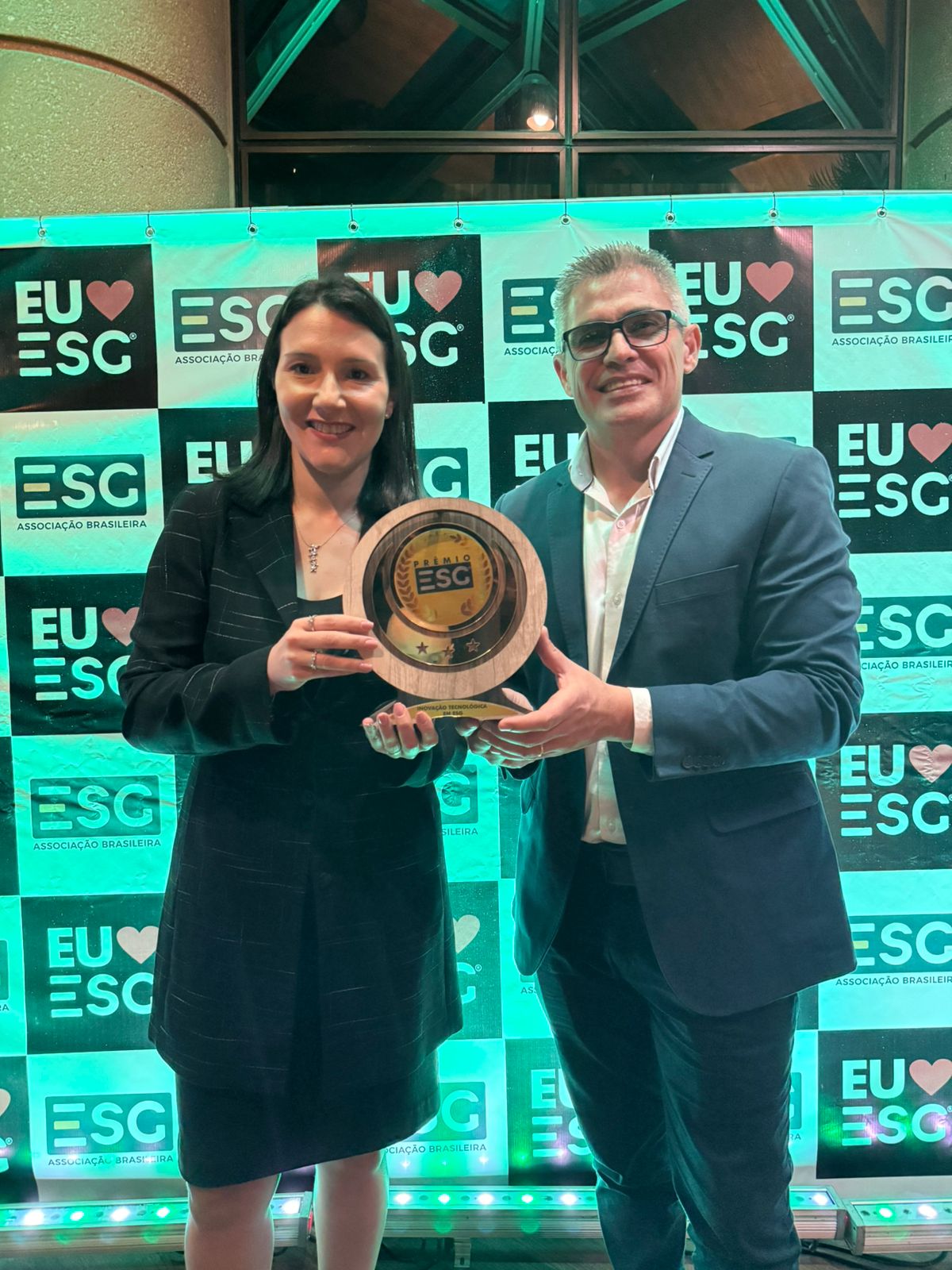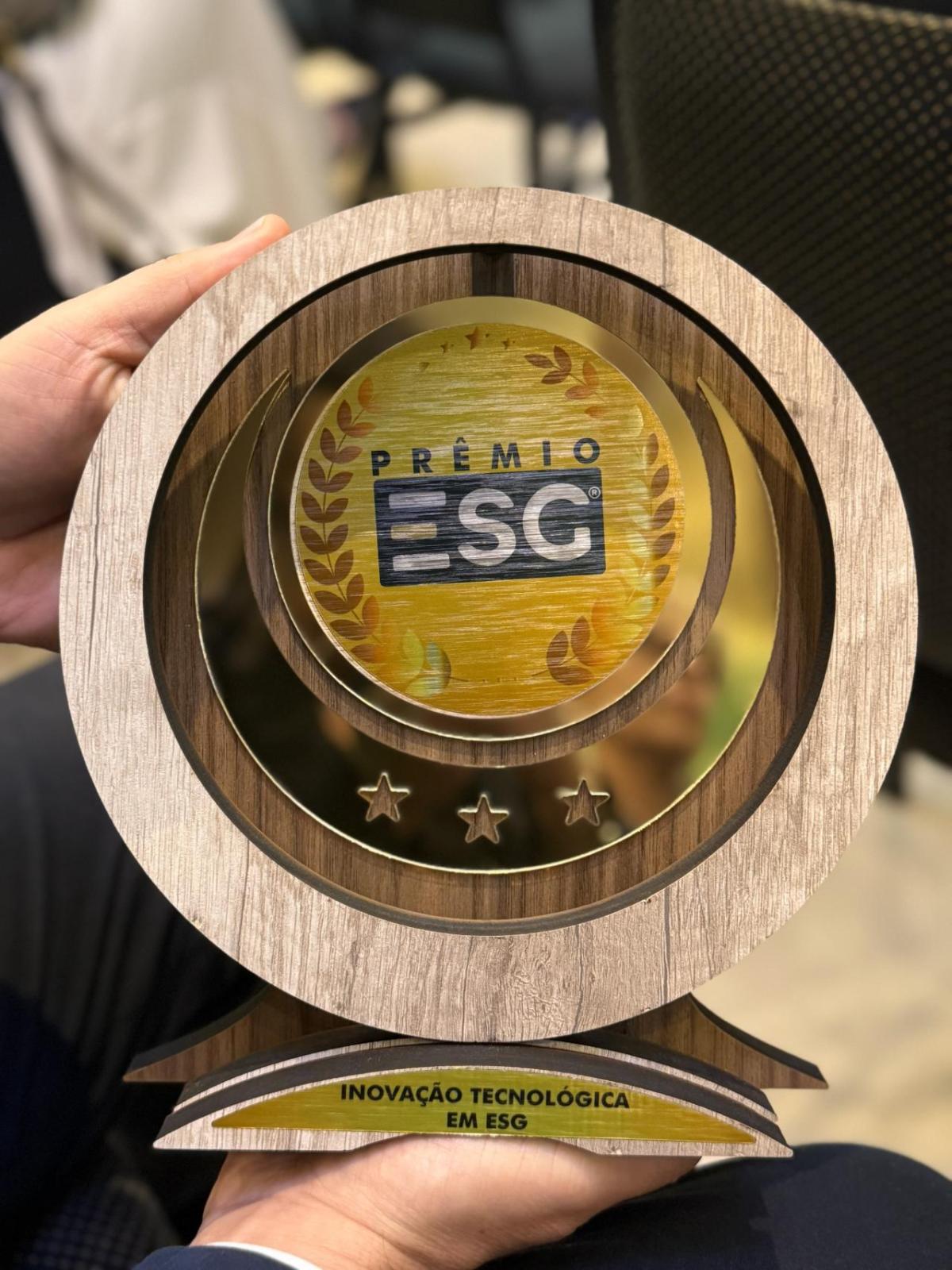
For its innovation and promotion of sustainability in the field, CNH brand, New Holland, has been recognized with the ESG Award, organized by the Brazilian ESG Association.
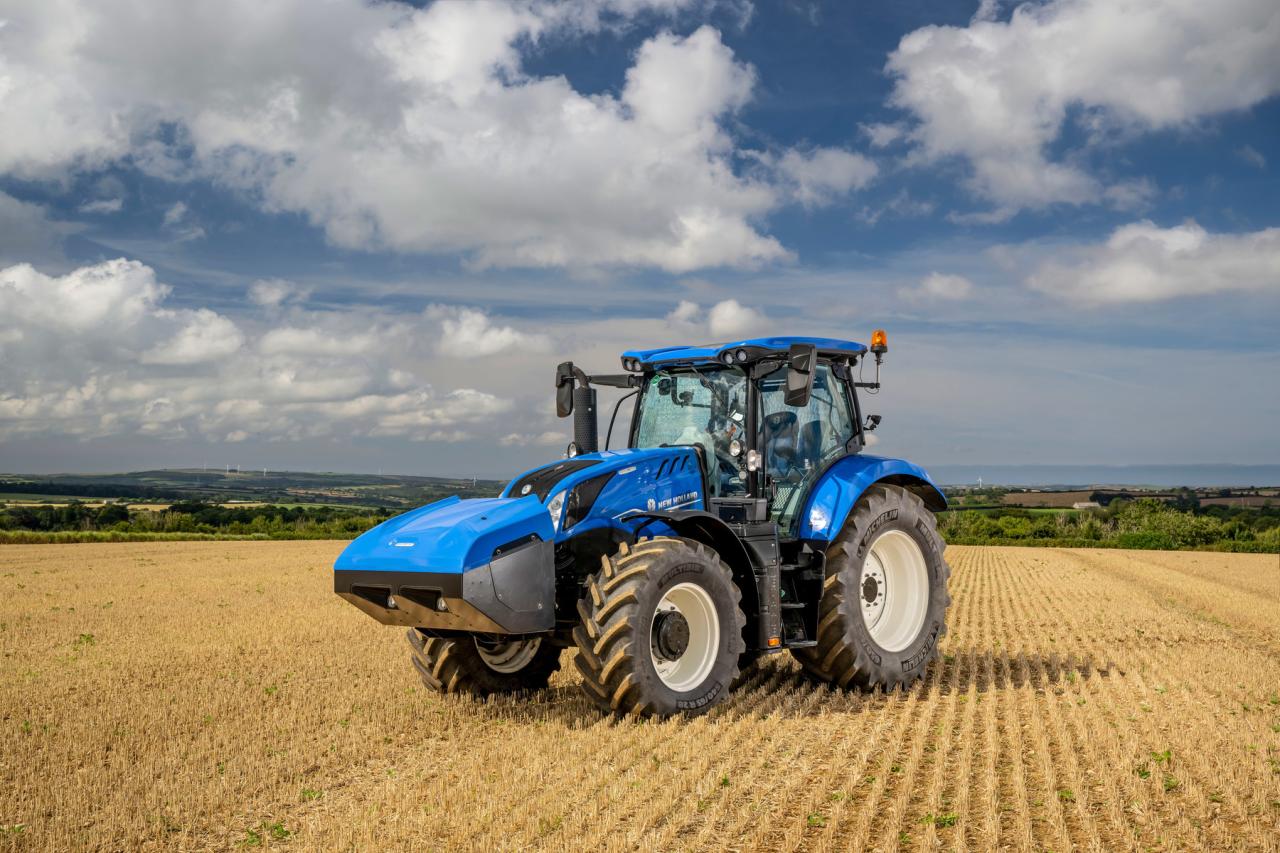
The CNH brand won in the "Technological Innovation in ESG" category with the T6.180 Methane Power, the world's first agricultural tractor powered by biomethane, which uses the gas generated from the decomposition of organic waste as fuel.
Leader in alternative fuels
From 2006, when it launched the alternative fuels leadership strategy, New Holland developed tractors powered primarily by biodiesel, as well as hydrogen, until the launch in 2013 of the first methane-powered T6 series tractor prototype, emphasizing the brand's commitment to meeting its environmental goals and contributing to CO2 reduction.
Launched as a commercial product in 2022, the T6.180 Methane Power is available to Brazilian producers. Biomethane propulsion technology offers numerous environmental advantages, including up to 80% reduction in regulated pollutant emissions and 84% in CO2 compared to a standard diesel engine. By using biomethane, a cost reduction of between 25% and 40% can be achieved when compared to conventional fuels. And the tractor has the same performance and autonomy as a diesel tractor of the same size.
In 2023, the brand also presented the concept of the energy-independent farm, in partnership with the main companies in the biomethane sector to create an innovative ecosystem for the production of gas generated from the decomposition of animal waste. Composed of a biodigester, biogas purification system, generator, tractors and heavy trucks, this ecosystem is a pioneer in Brazil and revolutionizes the country's biogas market.
This type of solution gives the producer the possibility of using the biogas generated within the property (from animal waste, for example) to supply the equipment, taking advantage of the so-called virtuous cycle of the farm, which becomes increasingly self-sufficient from an energy and environmentally correct point of view. In addition, there is a reduction in operating costs and greater peace of mind in the management of activities, as it becomes self-sufficient in fuel production and use, being free from all the uncertainties of the fossil fuel market.
Additional Media
Images