Healthy Spaces Podcast - Season 6 Episode 3: Reducing food loss and waste, along with digital tools, AI, energy recovery, infrastructure, service and skilled people, can build a more efficient, resilient and sustainable cold chain.
Watch Season 6 Episode 3 - Decarbonizing the Cold Chain: Waste Less, Recover More
How do we keep food fresh while reducing emissions across the global cold chain? Decarbonizing refrigerated transport and storage is both a sustainability challenge and a major opportunity.
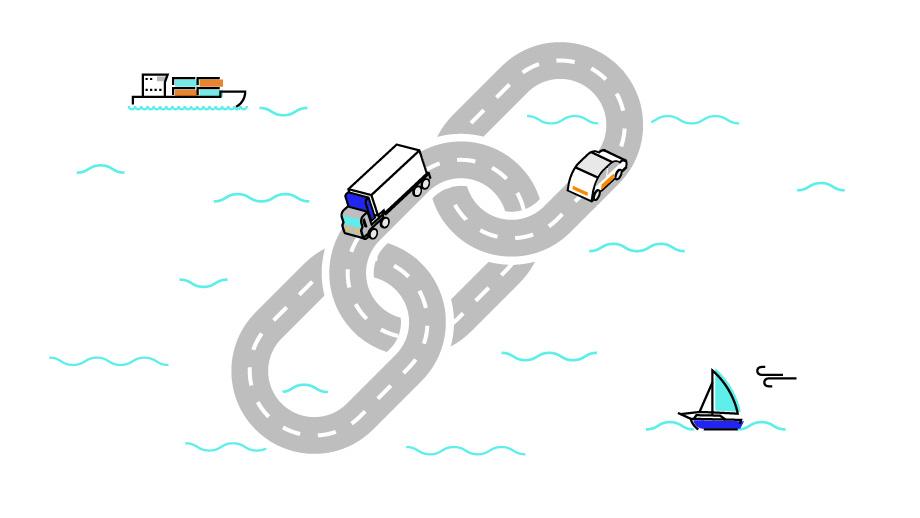
The cold chain moves food through farms, warehouses, ships, trucks, stores and homes, often over days or weeks. Because it depends heavily on diesel-powered refrigeration, it is a critical focus area for effective decarbonization strategies. At the same time, growing demand for fresh food makes it even more urgent to find scalable, lower-emission ways to protect products in transport.
Dr. Liz Goodwin, Director of Food Loss and Waste at the World Resources Institute, highlights the scale of the issue: as much as 40% of the world’s food is lost or wasted. She challenges the idea that expanding refrigeration alone is enough to solve the problem. Cold chain growth is only effective when it is supported by market demand, operational expertise and the broader systems needed to sustain it.
Claudio Zanframundo, President of Thermo King EMEA & APAC, shares how digital solutions are helping transform the cold chain. With digital tracking and AI, operators can better monitor conditions, reduce inefficiencies and help protect valuable cargo in real time.
Just as important, the conversation goes beyond technology alone. Meeting decarbonization goals will also require strong service networks, enabling infrastructure, supportive regulation and skilled people who know how to run these systems effectively. That is where digital solutions and operational readiness come together to create long-term impact.
Together, they make the case that the biggest gains are in what the system already holds: the food it loses and the energy it wastes. Recovering those, with the right regulation and the people to run the network, is how the cold chain grows and gets cleaner at the same time.
Key moments
- 01:07: How large is the food waste problem?
- 05:01: Why households are a major source of food waste
- 10:13: Building a sustainable food system takes everyone
- 14:00: The complexity of the food chain
- 18:50: How digital tracking reduces waste
- 20:53: Where AI fits into the cold chain
Featured in this Episode:
Hosts:
Dominique Silva, Marketing Leader EMEA, Trane Technologies
Scott Tew, Vice President Sustainability and Managing Director, Center for Energy Efficiency and Sustainability, Trane Technologies
Guests:
Claudio Zanframundo, President, Thermo King, EMEA & APAC
Dr. Liz Goodwin, Director of Food Loss and Waste, World Resources Institute
Episode Resources
- Trane Technologies 2025 Sustainability Report
- The Global Benefits of Reducing Food Waste- World Resource Institute
- Mitigating Food Loss
About Healthy Spaces
Healthy Spaces, a podcast by Trane Technologies, brings together engineers, innovators and industry leaders for bold conversations at the frontier of sustainable technology.
In Season 6, we zero in on the moment when innovation becomes infrastructure - when breakthroughs move beyond the lab and start transforming industries.
From pioneering AI research and next-generation data center cooling to climate-resilient cities and pathways to decarbonization, each episode explores the innovations at the cutting-edge of sustainable technology.
Designed for leaders, builders and anyone with a stake in the future of sustainable technology, the series offers a front-row seat to the ideas and innovations shaping what comes next.
The challenges are real. The solutions are being built now.
Listen and subscribe to Healthy Spaces on your favorite podcast platforms: