CES 2026 Spotlights Company’s Measurable Progress, Bold 2030 Targets, Cross-sector Collaboration
LAS VEGAS, January 7, 2026 /3BL/ - At CES® 2026, LG Electronics reaffirmed its global circularity goals, outlining measurable progress and underscoring its commitment to embedding circular economy principles across the entire product lifecycle. Supporting its “Better Life for All” ESG vision, LG is focusing on innovation, partnerships and consumer engagement to help reduce environmental impact while delivering long-term value to customers and society.
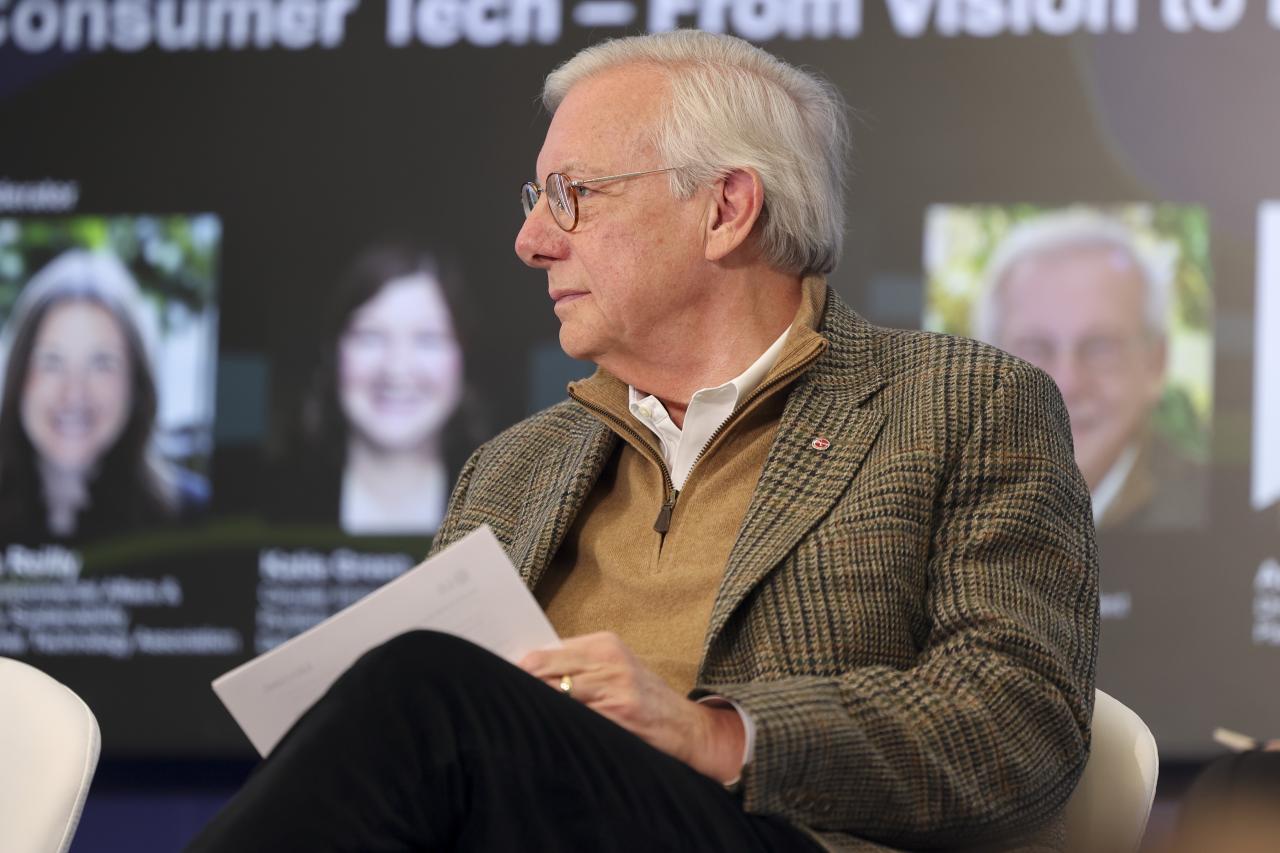
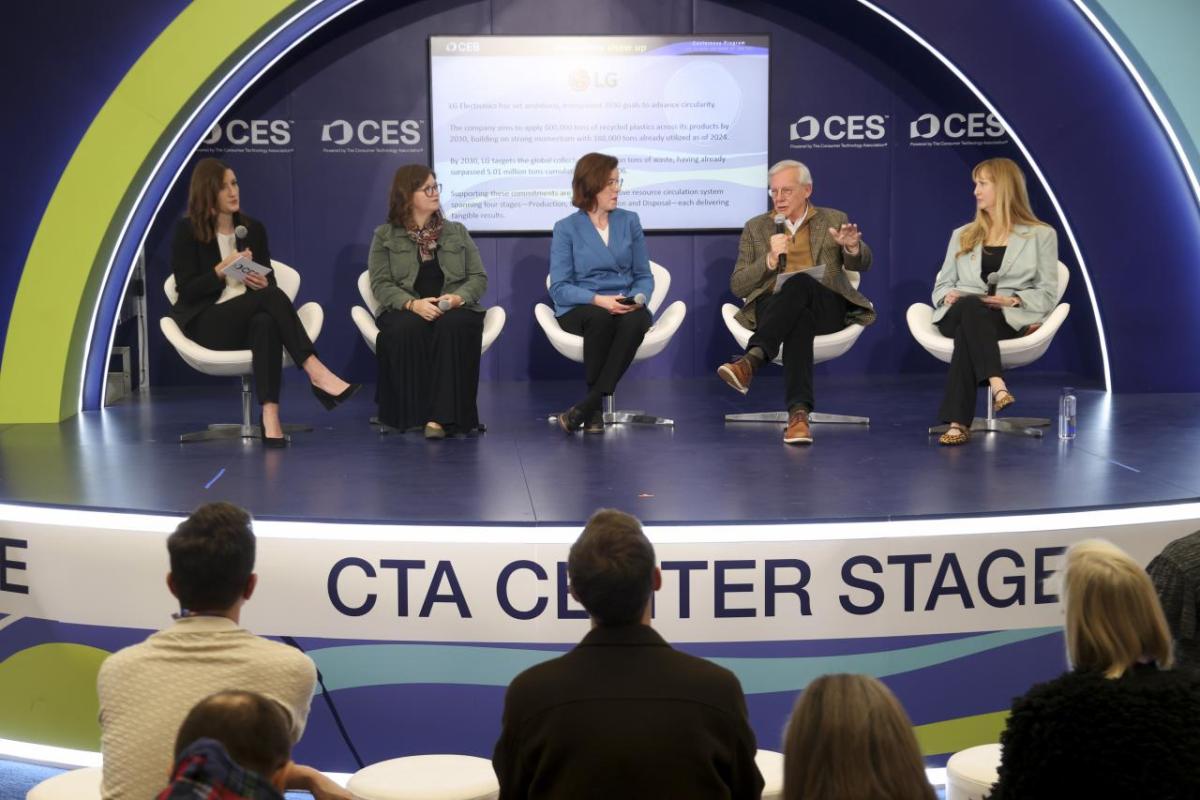
LG’s circularity mission was spotlighted today at a CES circularity session that explored the future of sustainable design, responsible resource use and cross-industry collaboration. The lively panel discussion reflected LG’s belief that meaningful progress toward a circular economy requires coordinated action across technology, policy, business and consumer behavior.
“Circularity is not a single initiative; it’s a system-wide transformation,” said LG Electronics USA Senior Vice President John I. Taylor, reinforcing the company’s role as a catalyst for change in building a more sustainable, circular future. “Through innovation, collaboration and transparent goals, LG is committed to the transition to a circular economy while delivering on our ESG commitments and our Better Life for All vision.”
Addressing Barriers to Circularity
While momentum around circularity is accelerating globally, LG recognizes that challenges remain. Among the most significant barriers is cost. Depending on material type, recycled or next-generation materials are typically 10-20 percent more expensive than conventional alternatives, impacting competitiveness. LG is investing in technology development and scaling up to help close this gap and make sustainable choices more accessible.
Consumer awareness also plays a critical role. LG is strengthening education and communication to encourage customers to take part in used product and packaging collection initiatives, providing clear guidance on how and where products can be returned and recycled responsibly.
Clear Targets, Measurable Progress Toward 2030
LG has set ambitious, transparent goals to advance circularity by 2030. The company aims to apply 600,000 tons of recycled plastics across its products by 2030, building on strong momentum with 188,000 tons already utilized as of 2024. In the same timeframe, LG targets the collection of 8 million tons of waste globally, having already surpassed 5.01 million tons cumulatively since 2006.
These commitments are supported by a comprehensive resource circulation system spanning four stages—Production, Use, Distribution and Disposal—each delivering tangible result:
-
Production: Scaling Recycled and Eco-Friendly Materials. In 2024, LG used 74,079 tons of recycled plastics, representing a 36 percent year-over-year increase. To achieve its 2030 target, the company is expanding the use of recycled plastics to include exterior product components, supported by material innovation and quality assurance.
LG is also accelerating the adoption of pulp mold packaging to replace conventional expanded polystyrene. An industry-first pulp mold technology developed by LG can withstand loads exceeding 44 pounds and is now used as cushioning for medium-sized products such as air purifiers and soundbars, reducing plastic consumption while maintaining product protection.
-
Use: Extending Product Lifespan Through New Business Models. LG’s growing subscription business in South Korea is redefining product use by combining convenience with sustainability. Beyond rental, professional care managers provide regular maintenance, cleaning and replacement of consumable parts, extending products’ lifespan.
Complementing this approach, LG’s “ThinQ UP” appliances, which allow customers to add new features via software updates after purchase, have recorded more than 20 million cumulative global upgrade actions. This innovation reduces premature replacement, enhances customer satisfaction and maximizes product value over time.
- Distribution: Sustainable Packaging and Closed-Loop Logistics. Across distribution, LG is transitioning to plastic-free packaging for small appliances, with internal cushioning materials being converted to pulp and corrugated cardboard to improve recyclability. The company is also expanding closed-loop recycling at logistics sites, collecting waste stretch film and recycling it into new logistics film, reducing virgin plastic use and operational waste.
- Disposal: Advancing Global E-Waste Collection and Responsible Recycling. LG continues to expand its global e-waste collection efforts. In 2024 alone, the company conducted collection campaigns in 56 countries, gathering 532,630 tons of waste electronics. Initiatives such as the “Battery Turn” campaign enable the recovery of valuable metals, including nickel and lithium, from used cordless vacuum batteries, while partnerships with organizations such as E-Circulation Governance provide free home collection services.
Taylor said the establishment of a circular economy is essential—and expected to become even more critical—for addressing resource depletion, protecting the planet and securing sustainable economic growth. In 2026 and beyond, the company’s Circularity Team is advancing high-strength pulp molds, high-content EPS alternatives, material-specific circular systems and component collection campaigns to support long-term impact.
# # #
About LG Electronics USA
LG Electronics USA Inc., based in Englewood Cliffs, N.J., is the North American subsidiary of LG Electronics Inc., a smart life solutions company with annual global revenues of more than $60 billion. In the United States, LG sells a wide range of innovative home appliances, home entertainment products, commercial displays, air conditioning systems and vehicle components. LG is an 11-time ENERGY STAR® Partner of the Year. www.LG.com
Media Contact:
LG Electronics USA
Kimberly Regillio
[email protected]
+1 815 355 0509
Additional Media
Images