By Wendy Ng
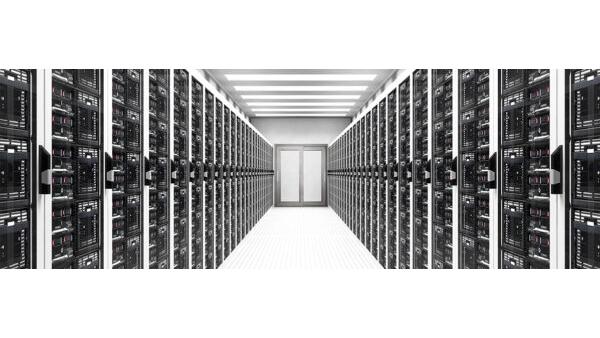
At Cisco, circular design means building sustainability into our products and packaging from the start. It’s about designing with the full life cycle in mind: using materials efficiently, incorporating recycled content, reducing packaging waste, improving energy efficiency, and making products easier to repair, upgrade, and recycle.
This matters because choices made in the design stage can influence everything that follows — from how much raw material is used, to how long a product can stay in service, to how efficiently it runs for customers. Circular design also helps make the best use of critical raw materials and supports supply chain resiliency.
Cisco continues meaningful work in this space over the years while measuring environmental impacts at a product level.
Below are several examples that illustrate how different product teams are applying circular design in ways that reflect their unique technologies, use cases, and constraints.
UCS-X servers
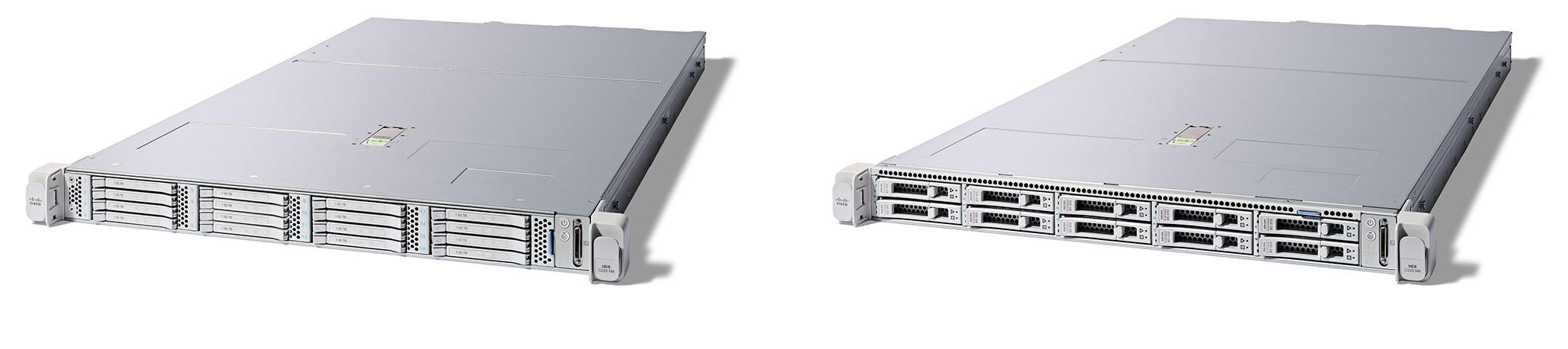
For over a decade, Unified Computing System (UCS) servers have been engineered to be more sustainable by design, and were awarded the 2023 SEAL Sustainable Product Award. UCS-X reflects how circularity and high performance can go hand-in-hand — especially in data center environments where energy and material choices can add up quickly.
Built with modular, easily removable components, its upgradeable designs help extend the use of the chassis, power supply, cooling, and other components, and it is optimized for repair, reuse, and eventual recycling. This architecture allows the X-Series to consume roughly 50% less raw material over three generations than traditional rack servers.
The latest X-Series architecture also features technology innovations such as efficient 54V power distribution, intelligent fan controls, zone-based cooling, and 80 PLUS Titanium-rated power supplies.
The team also eliminated wet paint and reduced powder coating by 62% compared to the prior generation — meaning less coating material is applied overall. This reduces the amount of raw materials that need to be produced, transported, and ultimately managed across the life cycle.
They also implemented post-consumer recycled (PCR) resin in 77% of non-commodity plastic parts, reducing the use of virgin plastic by using recycled material instead.
Packaging and accessories were also considered. Cisco offers multipack shipping for smaller units and high-volume orders to reduce packaging, and customers can opt out of product accessories they don’t need, such as power cords. Customers receive the product in packaging made of recycled materials, and, like most other Cisco products, can view documentation via QR code.
View the Product Carbon Footprint reports for various UCS products here.
Webex Room Bar
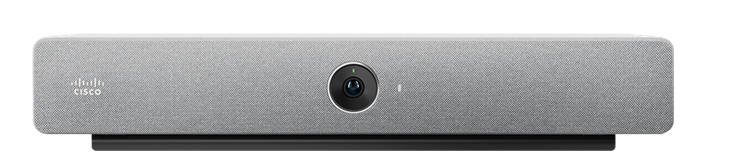
The Webex Room Bar is a video collaboration bar for small meeting rooms. It was redesigned with a simplified architecture to reduce the number of internal components compared to its predecessor, resulting in over 32,000 pounds of material savings annually. It uses at least 55% PCR resin. Foam was eliminated from the packaging, replaced by a fiber-based, double-tray design. When connected to certain displays, the Room Bar can automatically configure the brightness and latency of the display for natural video conferencing upon installation and turn the display on and off automatically, thereby saving energy.
Desk Phone 9800 Series
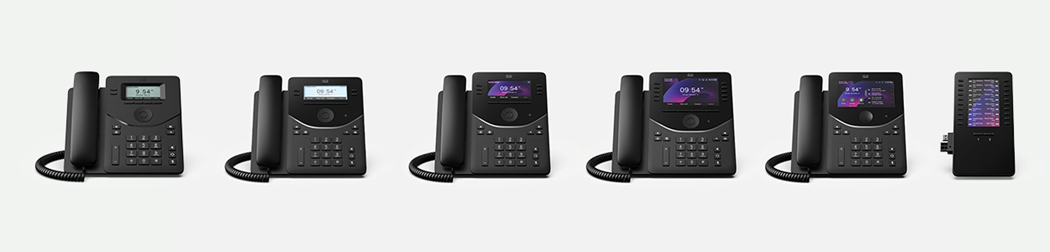
The Cisco Desk Phone 9800 series focuses on repairability, recycled content, packaging, and energy consumption.
93% of the product’s major components can be disassembled using common tools, which can improve the repair and recycling processes while extending material life cycles. It uses at least 74% PCR plastic resin.
Packaging also minimizes waste, using 100% recycled plastic bags or fiber-based alternatives, and eliminates unnecessary components such as plastic bags for cables, wipe cloths, and paper documents (except where legally required).
Energy consumption is another focus, with multiple power-saving modes to meet different customer needs. Deep sleep mode can reduce power required to 0.3 watts, potentially reducing greenhouse gas (GHG) emissions by over 40% annually during its use phase.
To help customers better understand and manage this, a sustainability dashboard reports real-time energy consumption and GHG emissions, enabling users to proactively manage and reduce their GHG emissions from use of the product.
View the Desk Phone 9871 Lifecycle Assessment summary here.
Nexus 9332D-H2R Switch

The Cisco Nexus 9332D-H2R is a high-performance, 32-port 400 Gigabit Ethernet deep-buffer switch. In addition to delivering industry-leading performance, the team incorporated features that support both circularity and efficiency. To help manage energy use, the switch features an 80PLUS Platinum-rated power supply unit, and customers can use the Nexus Dashboard to gain insights into power consumption.
The switch is built with 75% PCR content in non-commodity plastic parts and uses lightweighting techniques to reduce the amount of material used. The top cover was purposely designed to allow customers to easily access and upgrade the memory, which can extend the product’s use.
Emphasizing serviceability, key parts like fans and power supply units are modular, allowing for easy field replacement.
The packaging consists of corrugated parts with at least 25% PCR content and foam parts with at least 60% PCR content, while accessories use fiber-based bags. The team continues to iterate these sustainability features while protecting the product during shipment.
Looking ahead
Cisco achieved several sustainability goals in our 2025 fiscal year (FY), marking significant progress in our journey. Moving forward, we will focus on maintaining Circular Design Principles in 100% of new products and packaging in FY26.
As we continue pursuing a more circular business model, we’re also expanding the criteria of our Circular Design Principles by listening to our customers, employees, regulators, investors, and other stakeholders. We’re updating these Principles to keep raising our bar for integrating sustainability into our products — readying Cisco for the future. We intend to focus on recycled plastic and materials, removing hazardous materials, improving packaging, and making our evaluation criteria more product-specific, recognizing that Cisco’s product diversity means there’s no one-size-fits-all approach.
We intend to maintain the progress achieved to date, remain accountable, and seek additional opportunities to drive impact.
As always, we will share our progress in our Purpose Reporting Hub and Purpose Report.
1FY19 base year
View original content here.